Visual & Image
Image Styles
From Bauhaus to vaporwave, a single style word can set the whole mood of an image.
39 terms
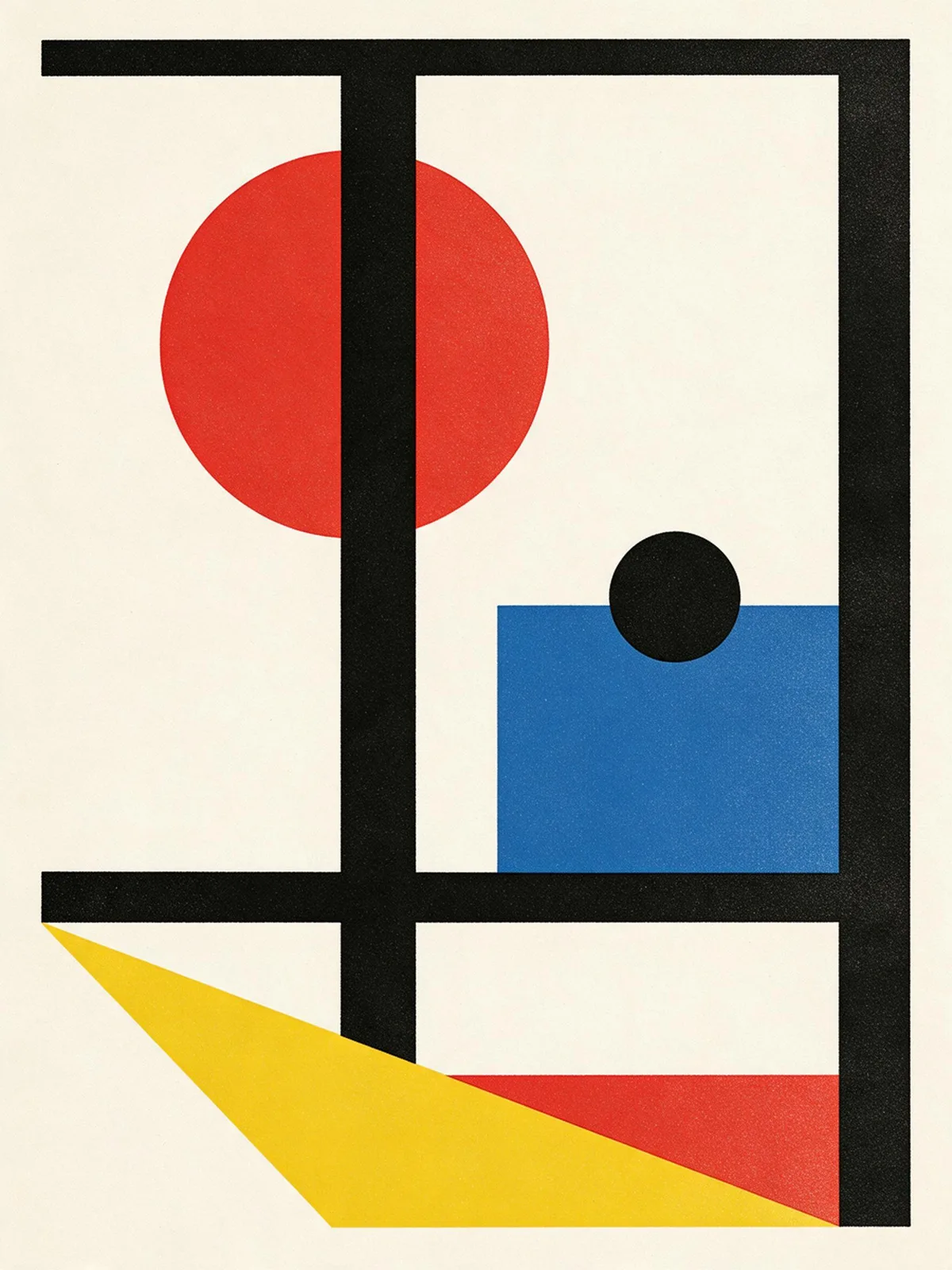
Bauhaus
A modern design language originating from the Bauhaus school in Weimar, Germany in 1919: geometric shapes, primary colors (red, yellow, blue), grid typography, and sans-serif fonts, emphasizing form follows function.
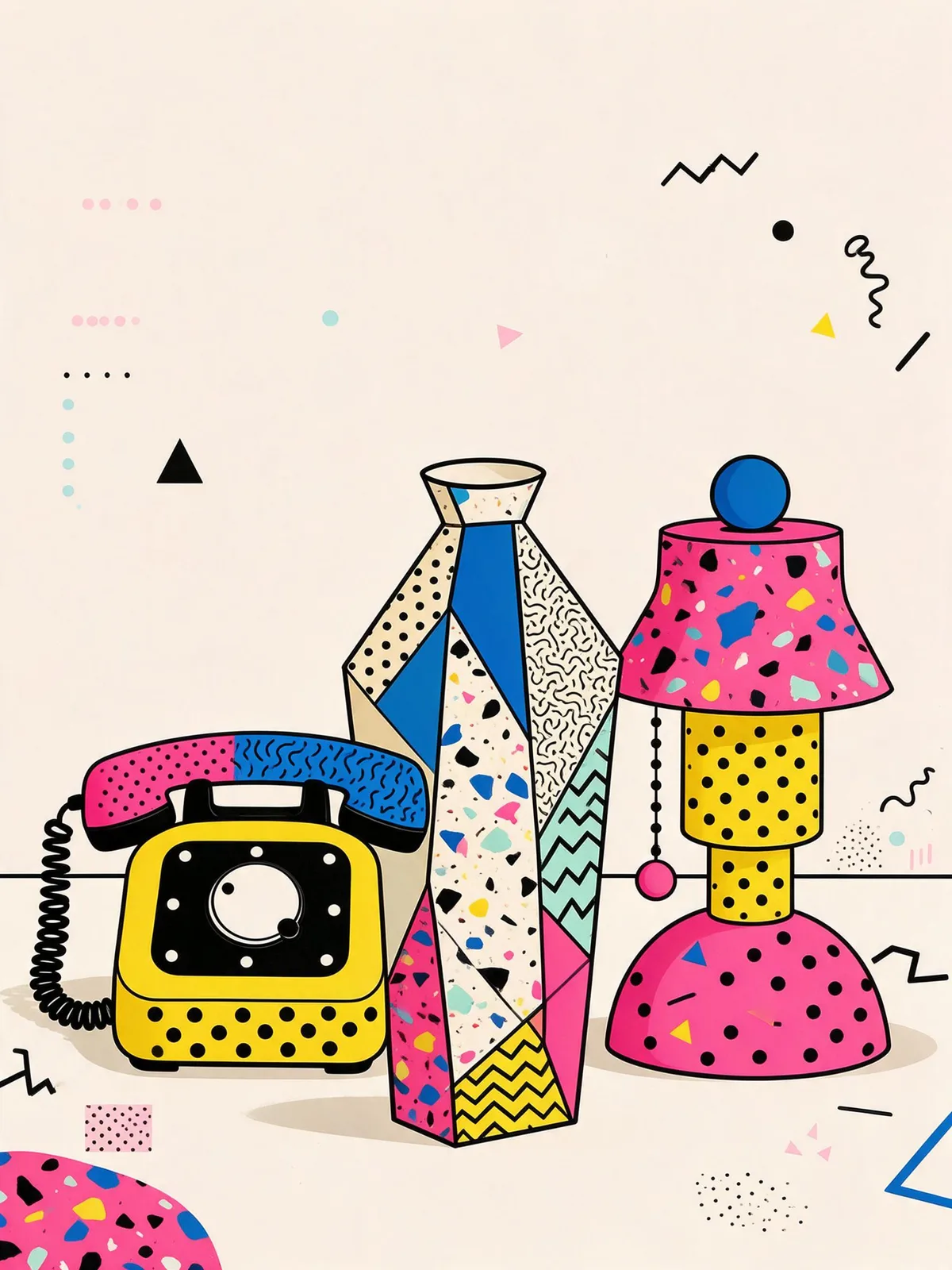
Memphis Design
A design movement initiated in Milan by Ettore Sottsass in 1981, using high-saturation clashing colors, geometric fragments, polka dots, and squiggly lines to counter the seriousness of modernism.
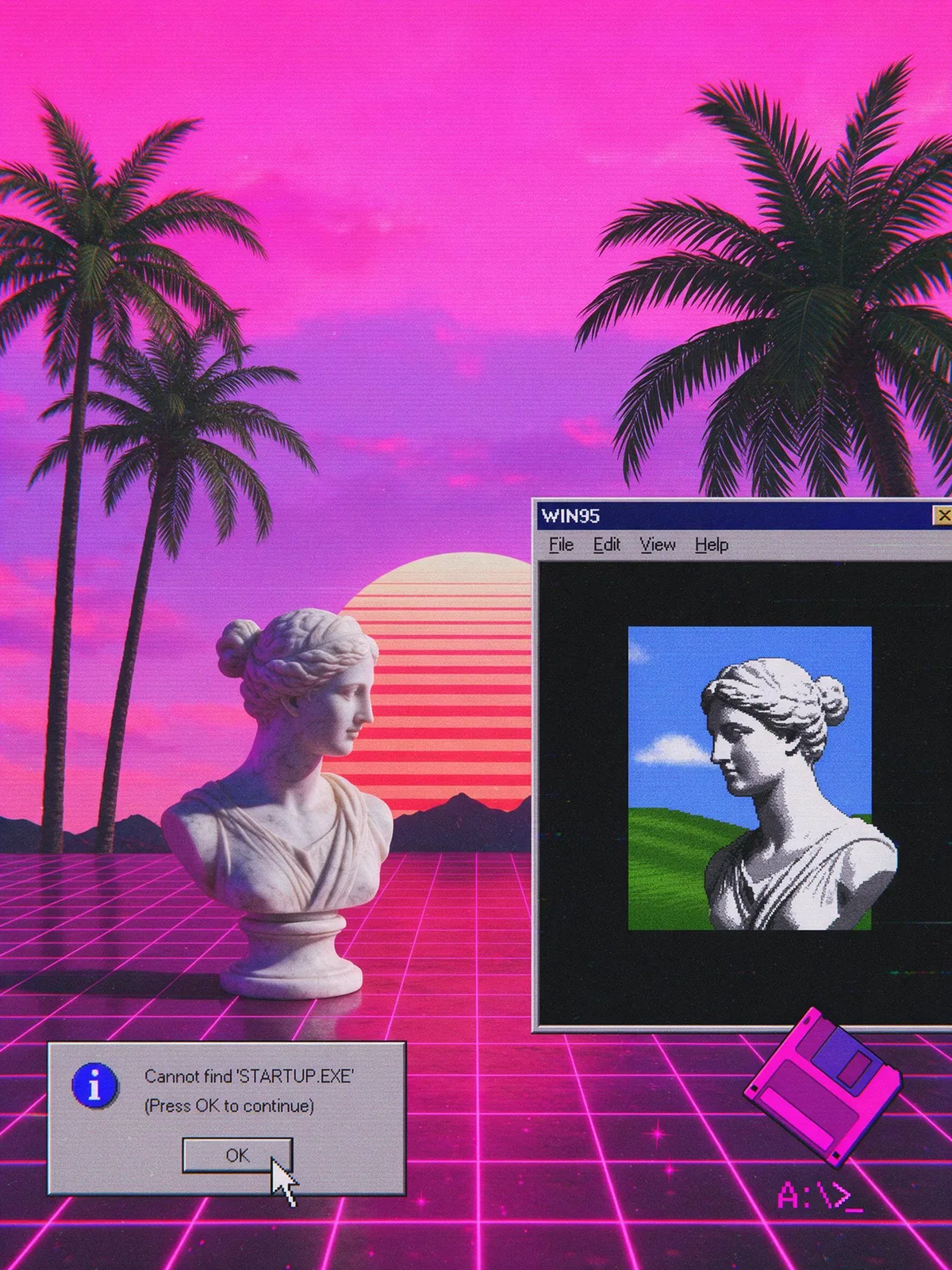
Vaporwave
An internet-born music and visual style from the early 2010s that uses pink and purple gradients, retro computer interfaces, classical sculptures, and grid floors to collage a nostalgia for 1980s and 1990s consumer culture.
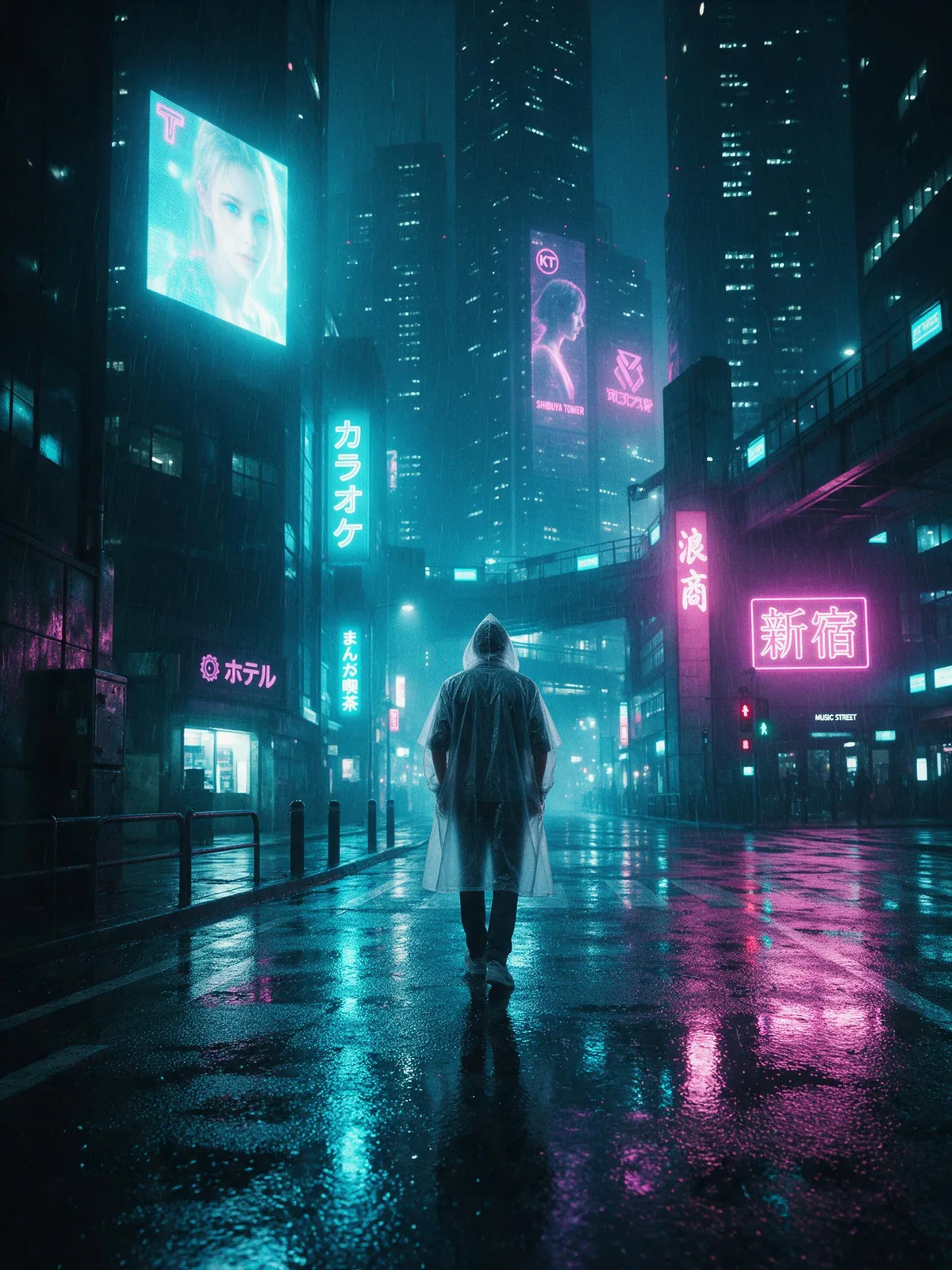
Cyberpunk
A futuristic urban vision originating from 1980s sci-fi literature and film: night rain, neon signs, dense skyscrapers, and the contrast between high tech and low life. It is one of the most commonly used style terms in AI image generation.
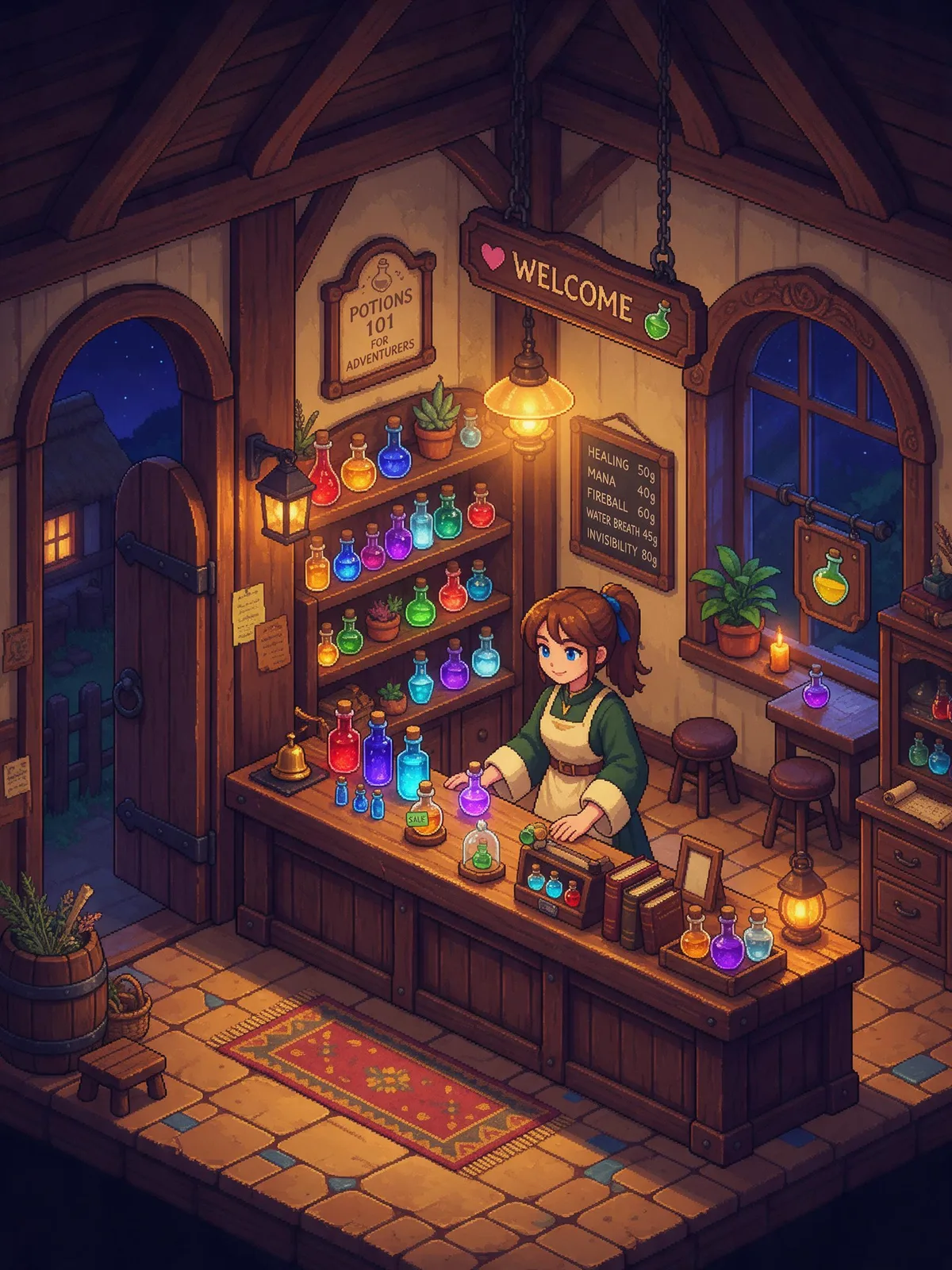
Pixel Art
A style of drawing with clearly visible square pixels and a limited color palette, originating from the hardware constraints of early video games and computers. Today, it is widely used in indie games and retro-themed visuals.

Flat Illustration
An illustration style that uses flat color blocks, simple shapes, and minimal shading to depict scenes. It gained popularity with the flat design trend of the 2010s and is widely used in web, app, and marketing materials.
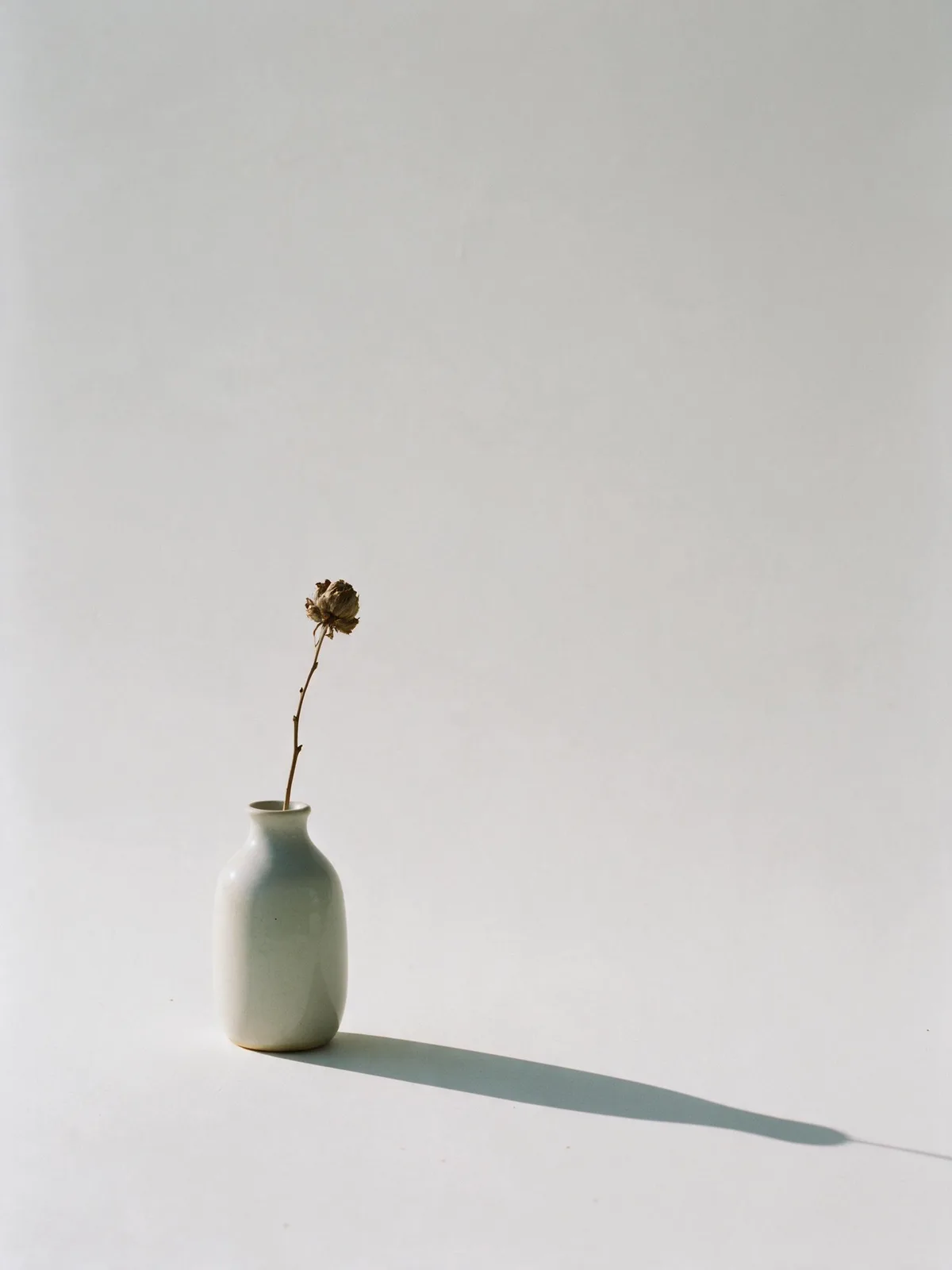
Minimalism
A style that retains only the most essential elements, using expansive negative space, a limited color palette, and precise placement to create visual tension. It originated from 1960s minimalist art and modernist design philosophy.
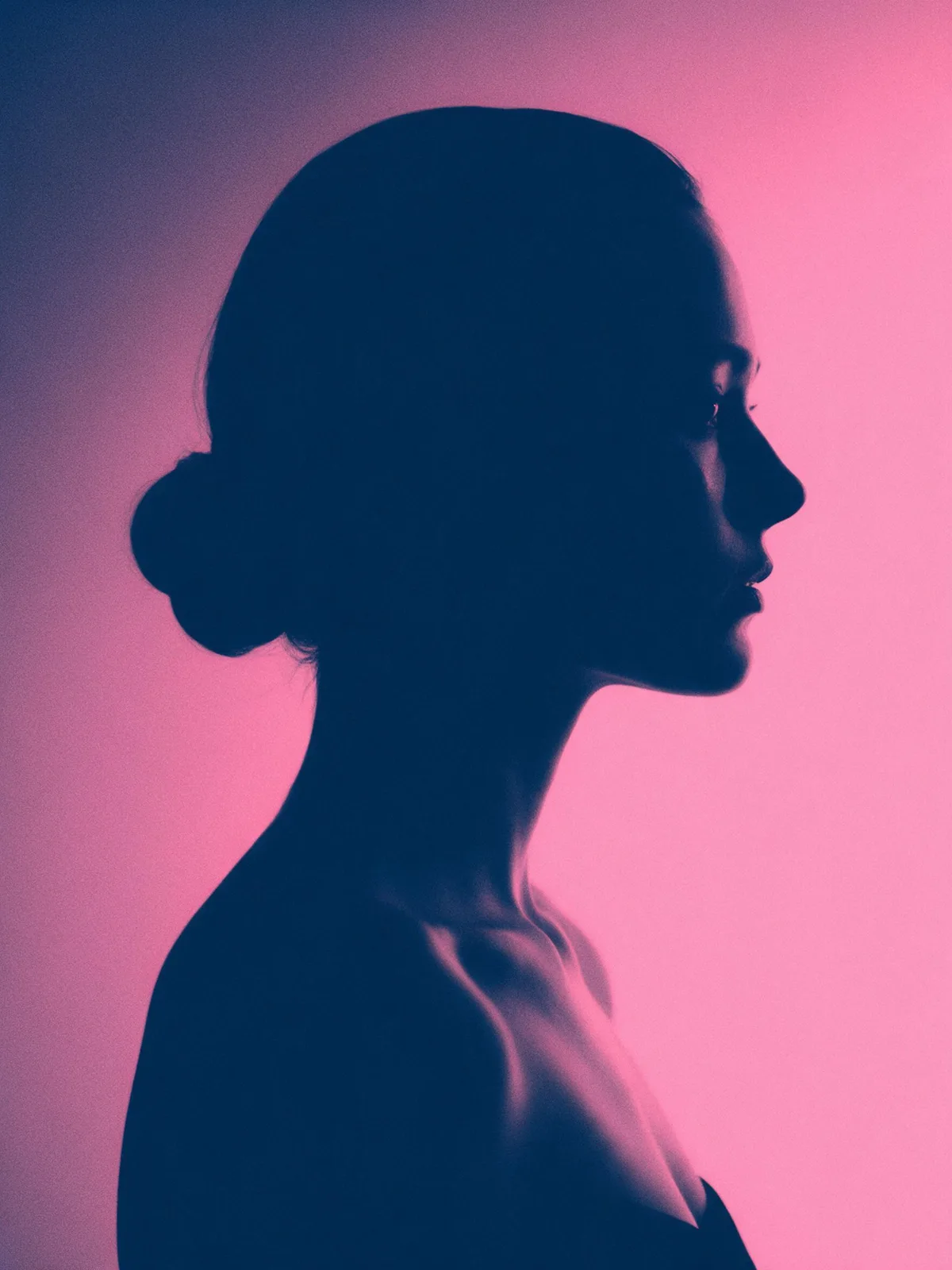
Duotone
A processing technique that replaces the dark and light areas of a photograph with two distinct colors, originating from the two-ink overprint printing technique. It regained popularity in brand and web visuals during the 2010s.
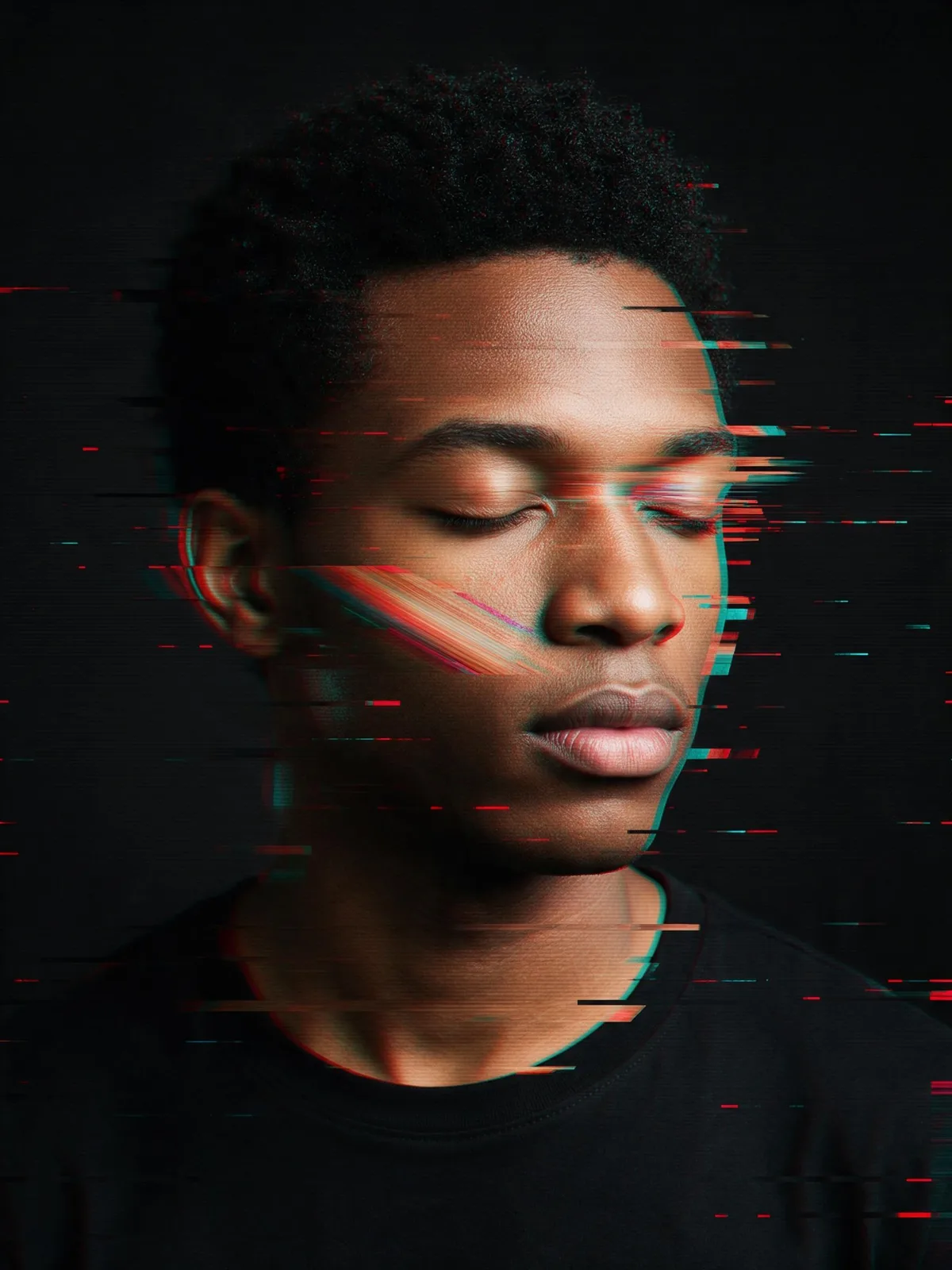
Glitch Art
Using the aesthetic of digital or analog signal errors: color channel misalignment, screen tearing, scan lines, and pixel corruption create an unstable, interfered visual experience.
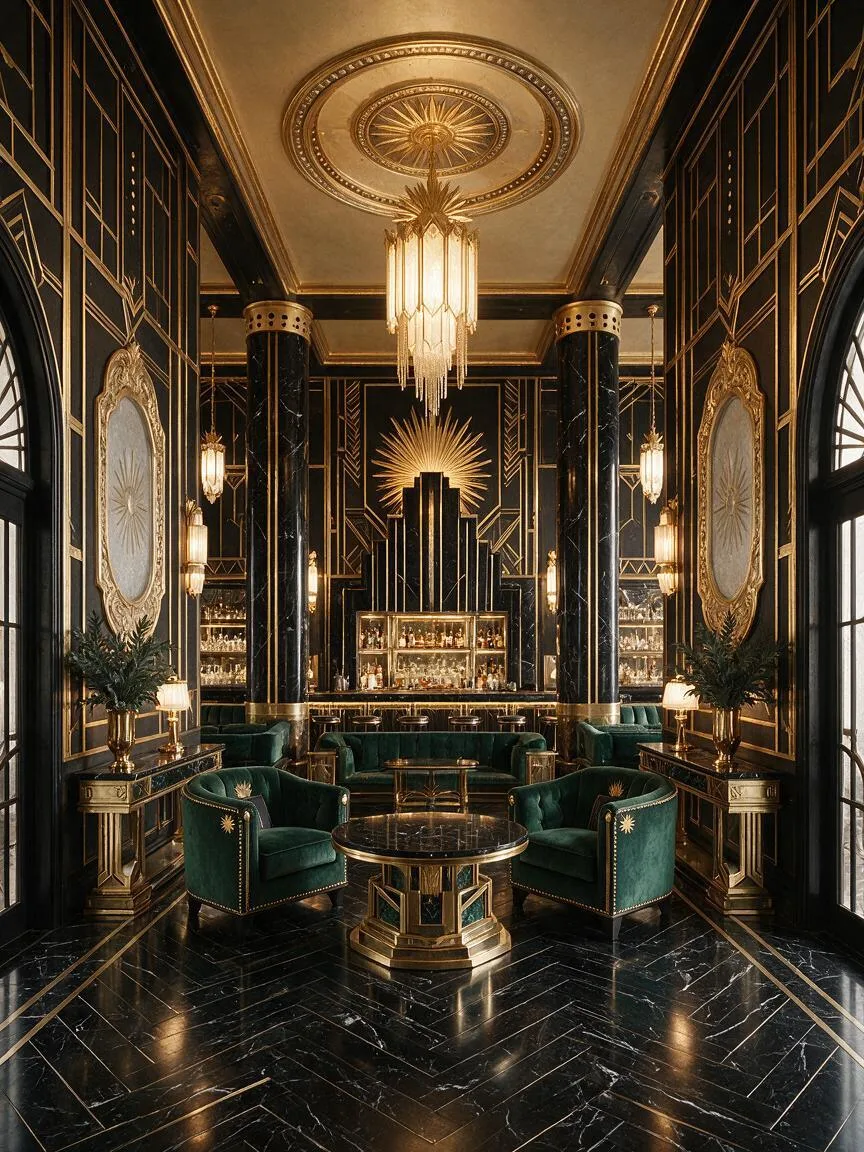
Art Deco
A visual art and design style originating in the 1920s, characterized by geometric shapes, symmetrical composition, and luxurious materials (such as a black and gold palette), showcasing the modernity and sense of order of the Jazz Age.
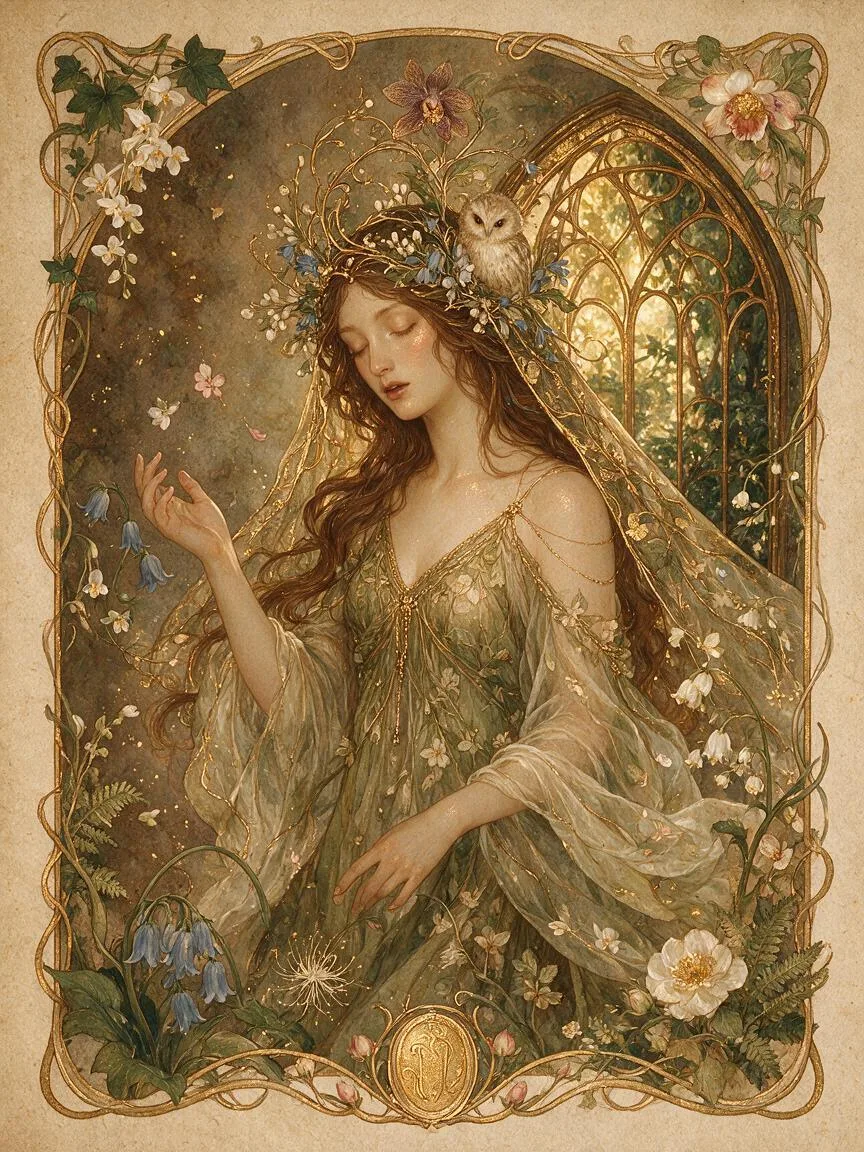
Art Nouveau
An international decorative art style that emerged from the late 19th to the early 20th century, characterized absolutely by organic curves mimicking natural flora and fauna, intricate and ornate decorative lines, and asymmetrical composition.
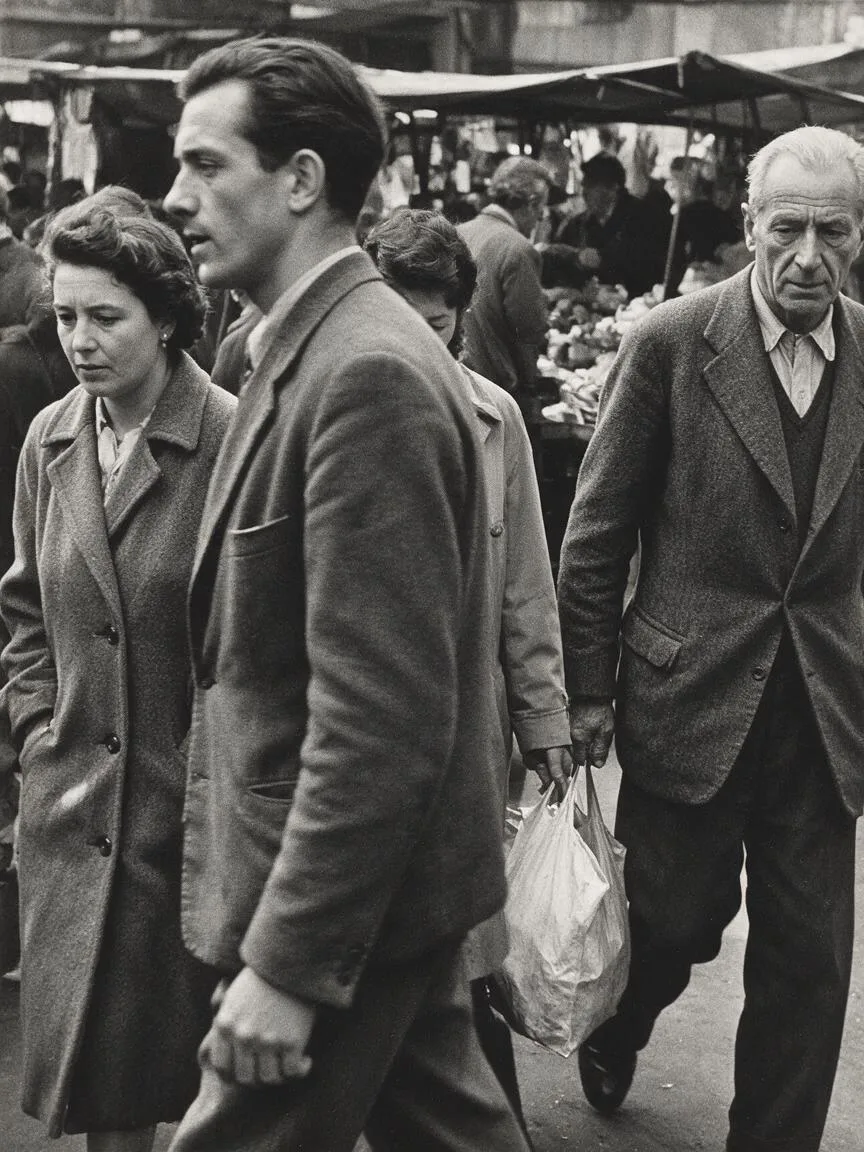
Black and White Documentary
A classic photography style that strips away color distractions, using high-contrast lighting, rich grayscale, and film grain to emphasize authenticity and humanistic depth.
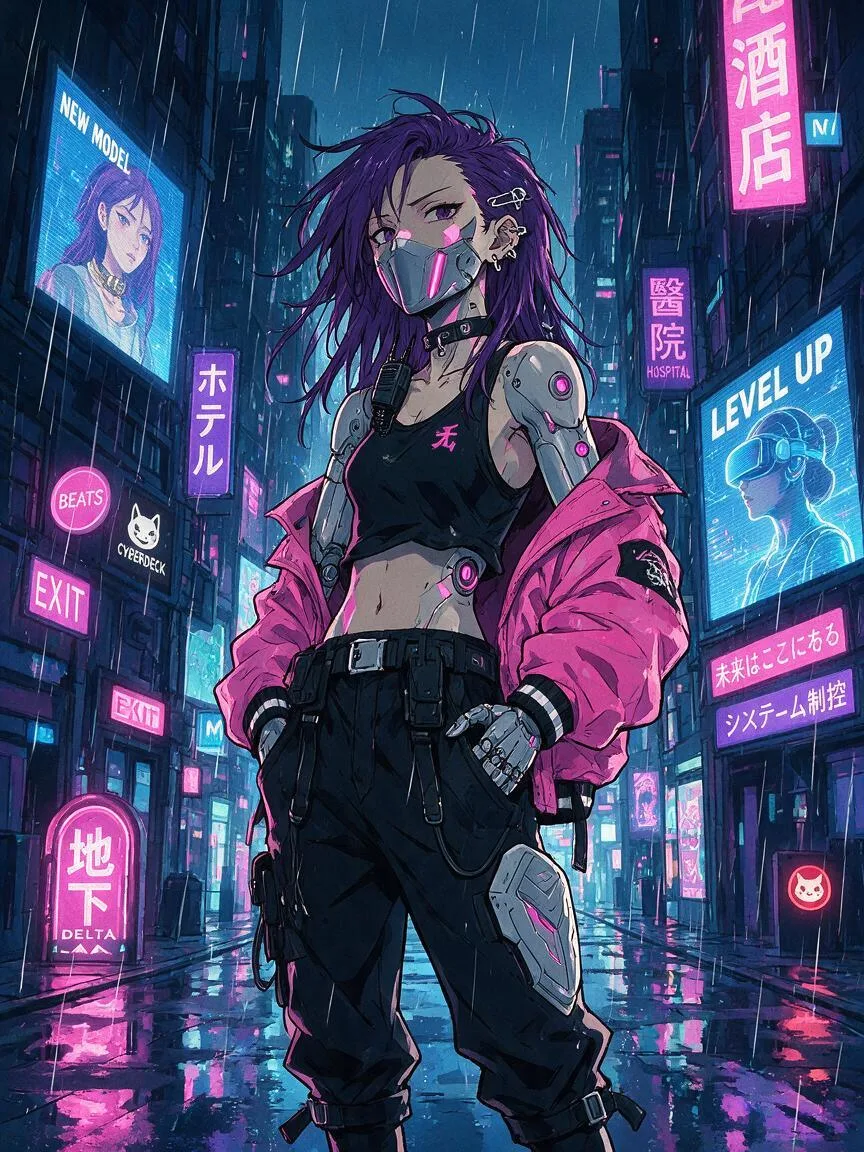
Cel Shading
A non-photorealistic rendering style that simulates the texture of traditional hand-drawn animation using hard edges and flat color blocks, defining volume with clear light-shadow boundaries.
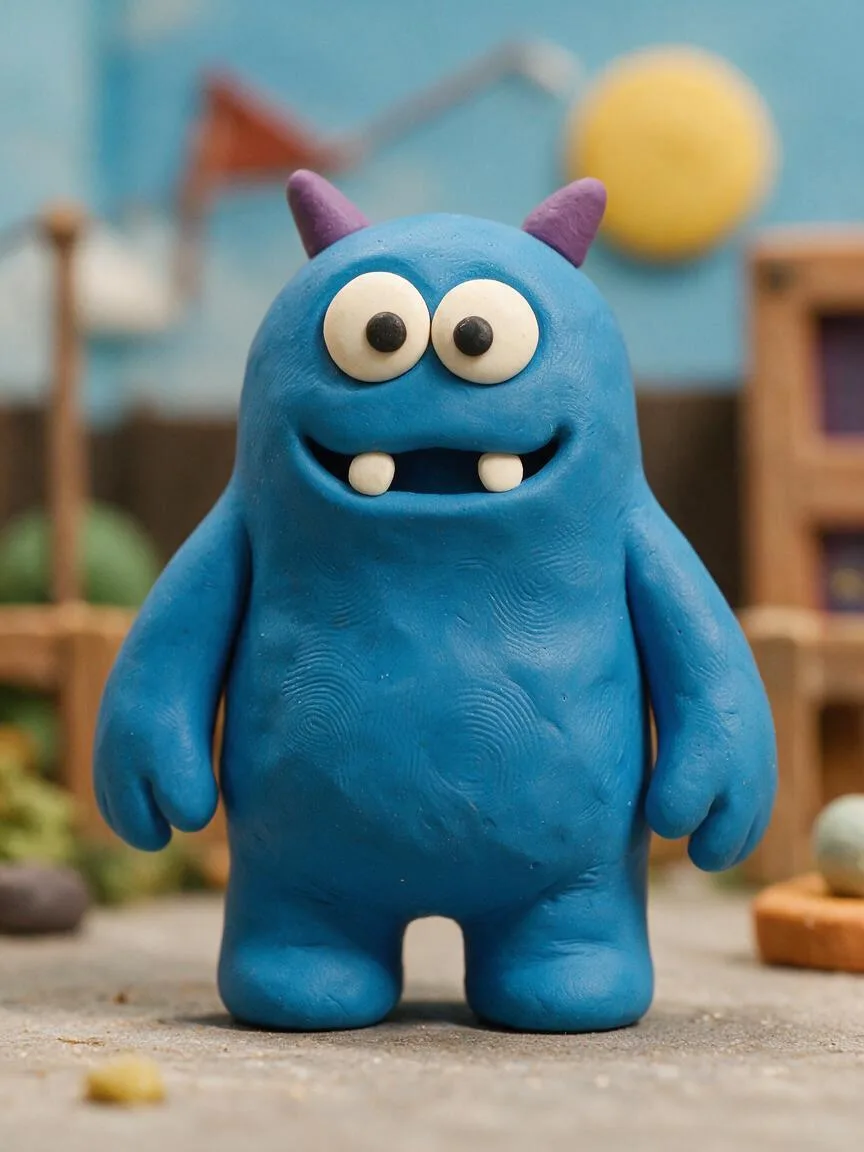
Claymation
A visual style that mimics the material and frame-by-frame shooting of clay stop-motion, featuring hand-sculpted imperfections and miniature set lighting.
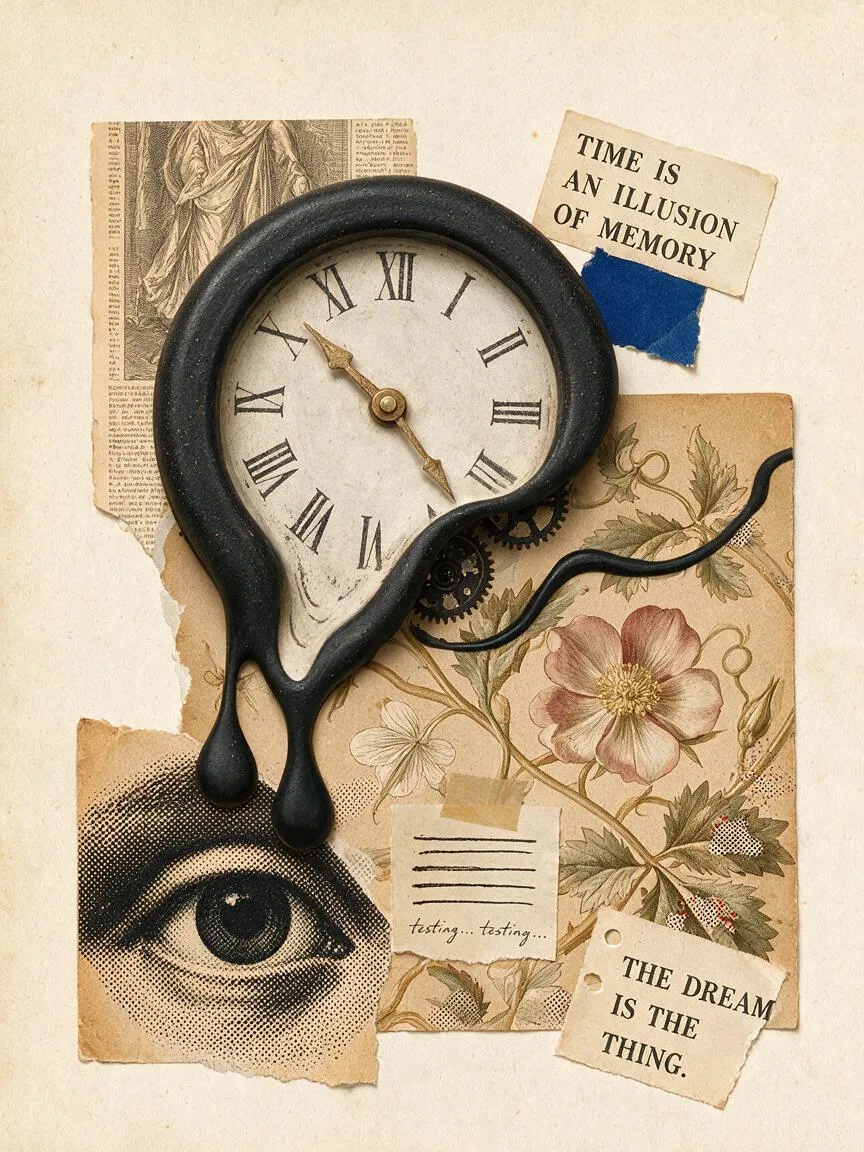
Collage
An art style that reassembles image fragments from different sources, materials, and styles into a new visual with striking contrast or a surreal aesthetic.
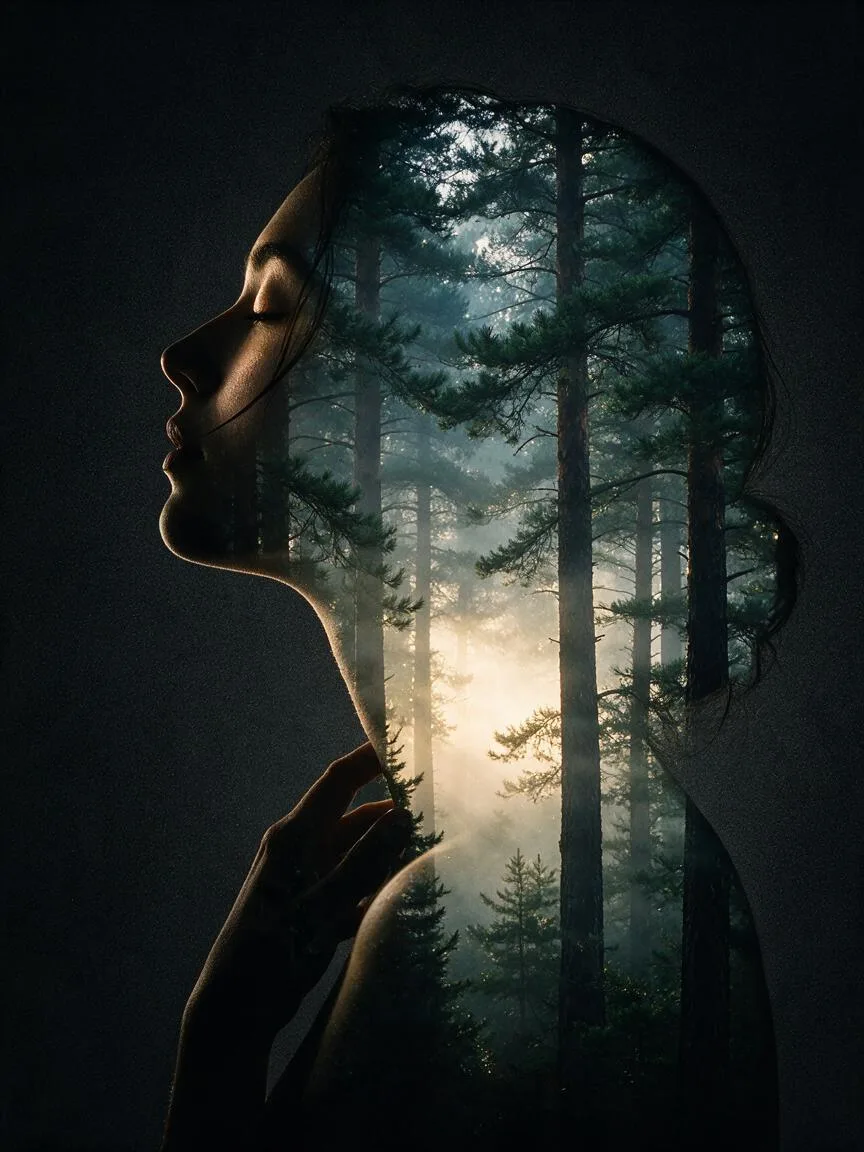
Double Exposure
A photographic and visual technique that superimposes two or more images, blending them so that a secondary scene is visible within the silhouette of the main subject.
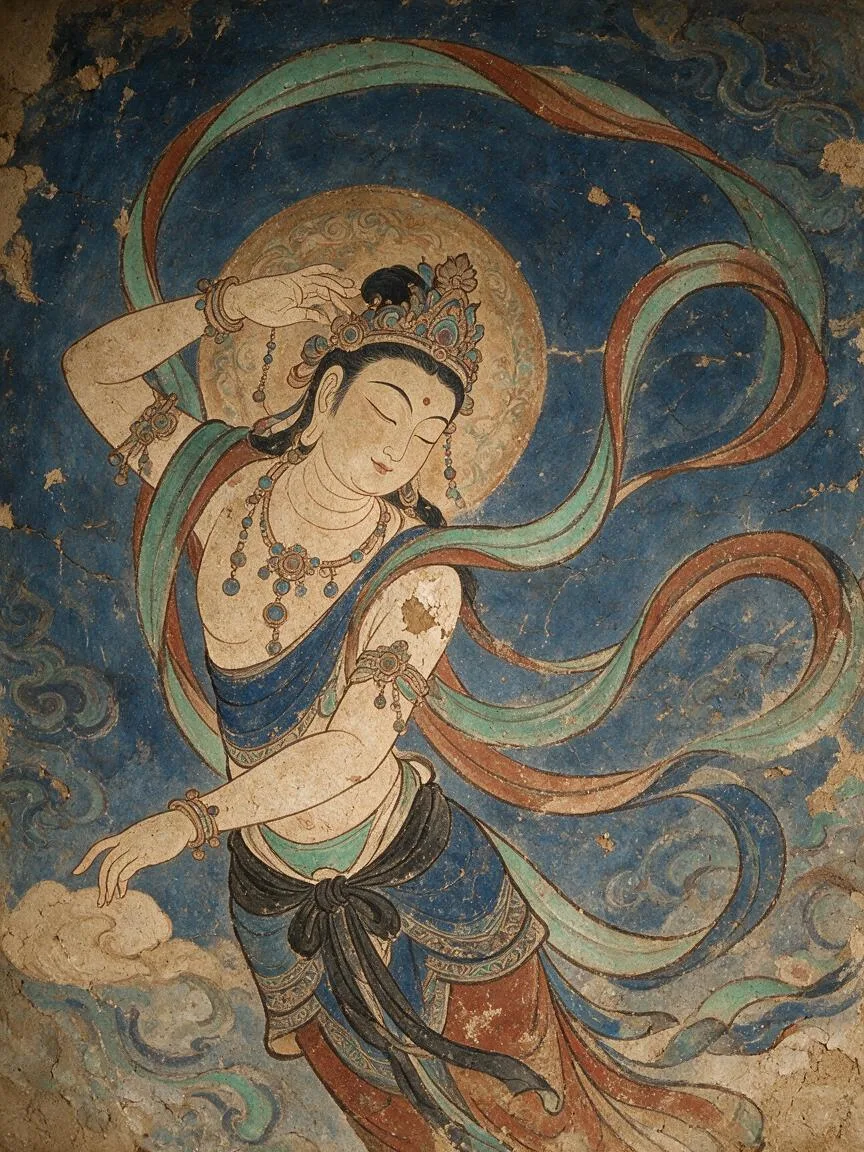
Dunhuang Murals
An ancient Buddhist heavy-color mural art style originating from the Mogao Caves in Dunhuang, China, characterized by mineral pigment colors, flowing iron-wire outlines, and the mottled, oxidized texture of aged frescoes.
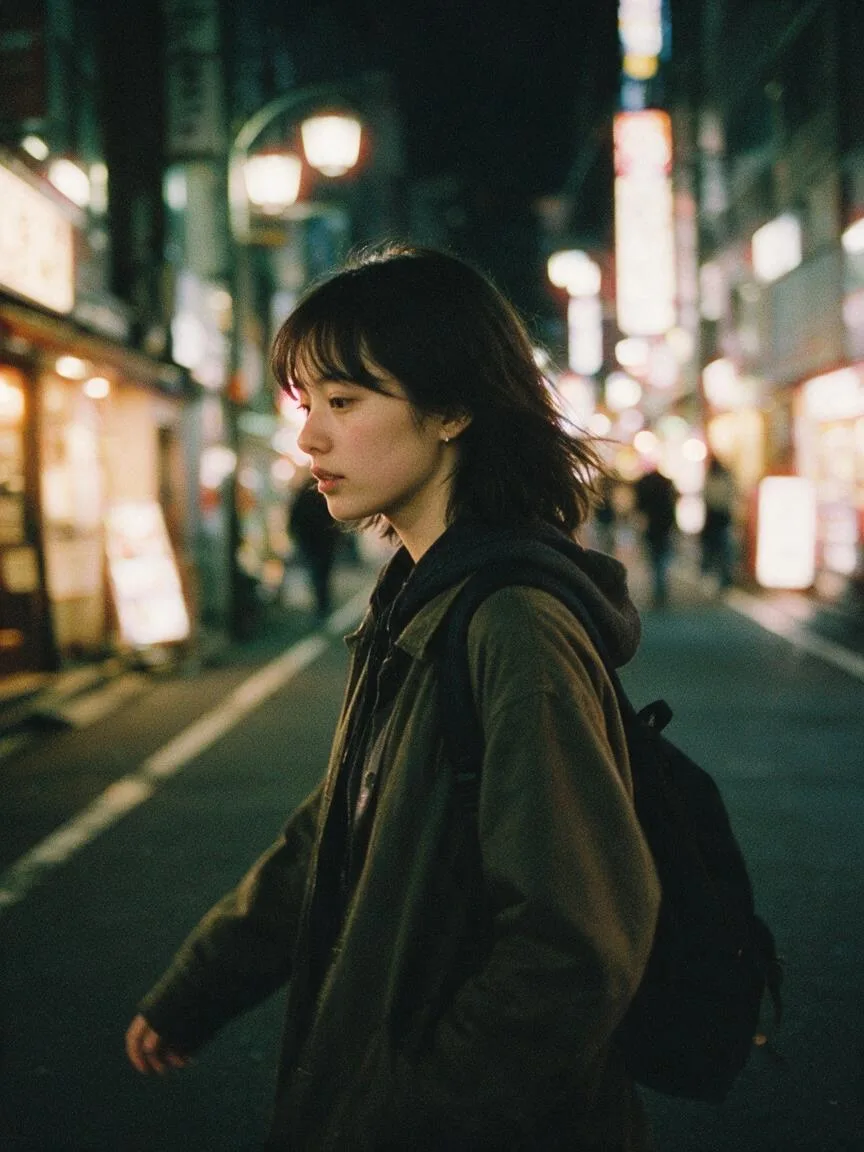
Film Photography
A photography style that emulates the imaging texture of traditional silver halide film, characterized by unique grain, color shifts, and dynamic range.
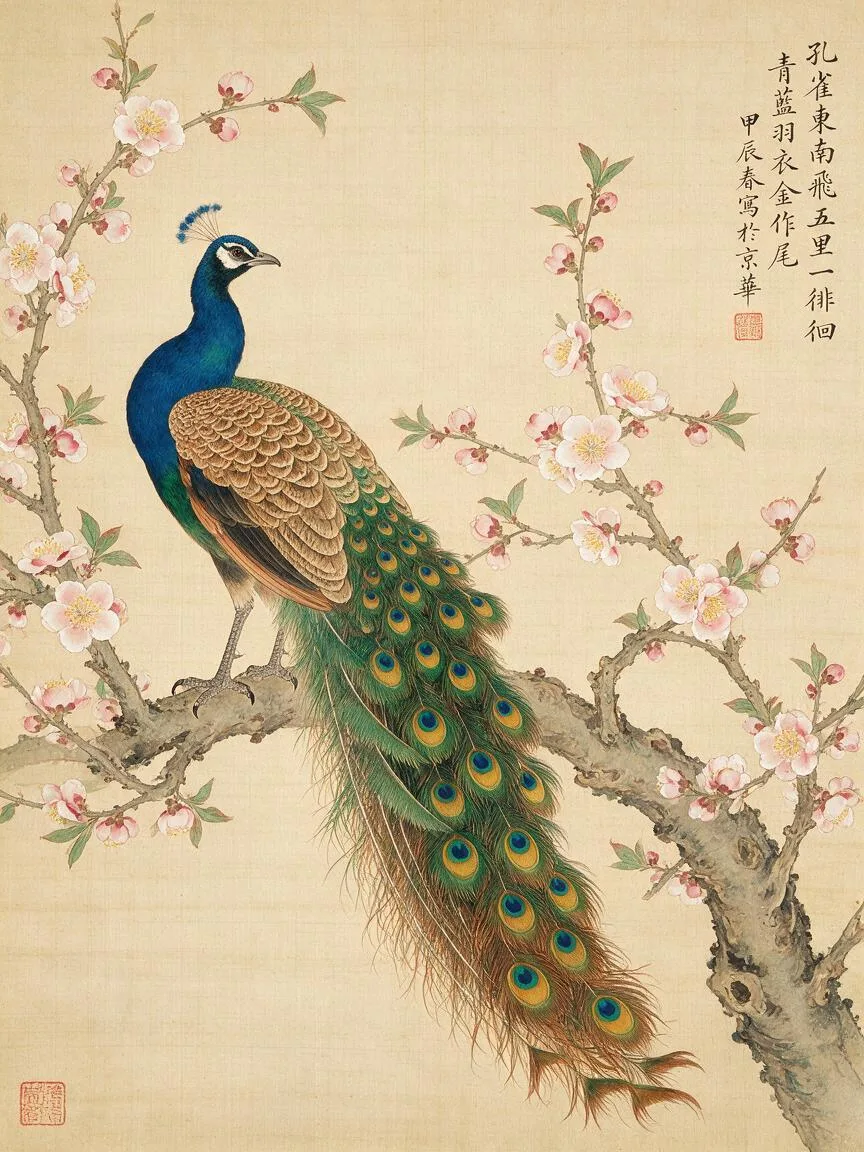
Gongbi
A traditional Chinese painting technique characterized by fine line drawing and layered color shading, focusing on realism and detail.
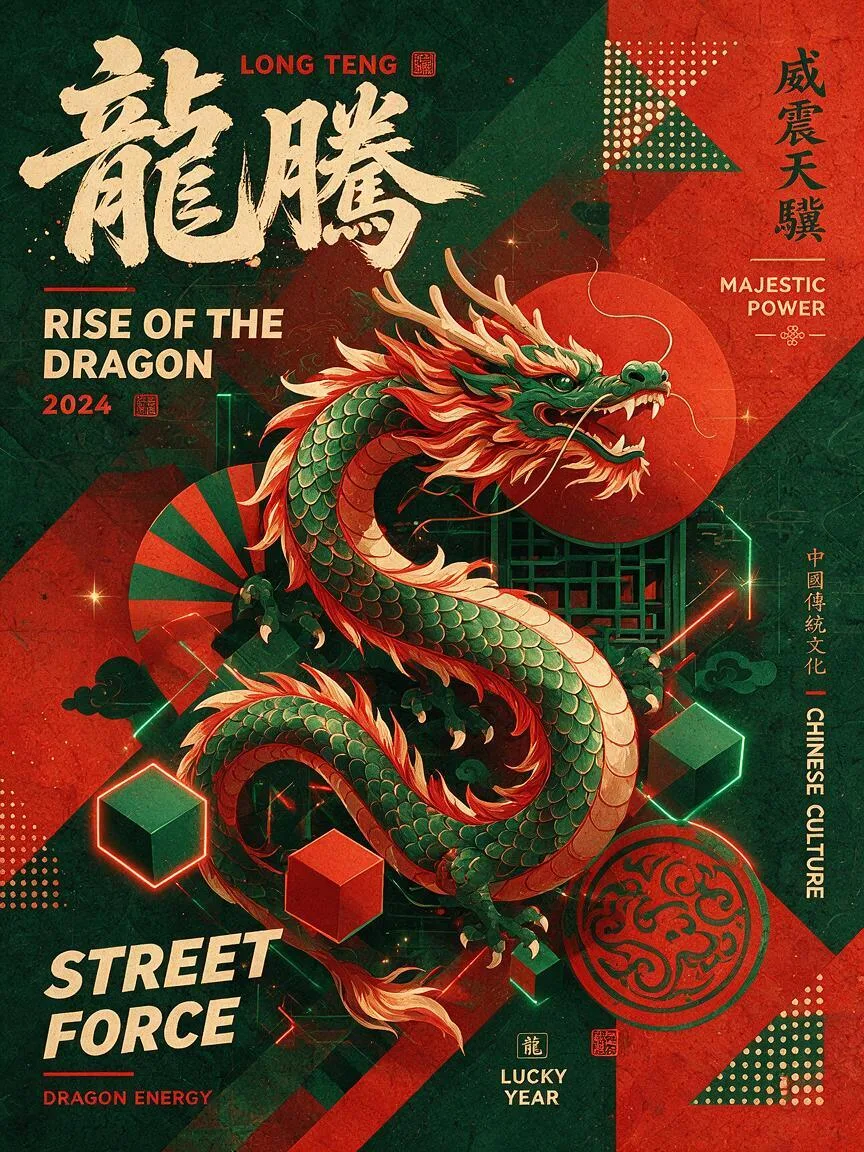
Guochao
Guochao (China Chic) is a visual style that fuses traditional Chinese cultural symbols and totems with modern trendy design and street culture, reconstructing Eastern aesthetics through a modern design context.
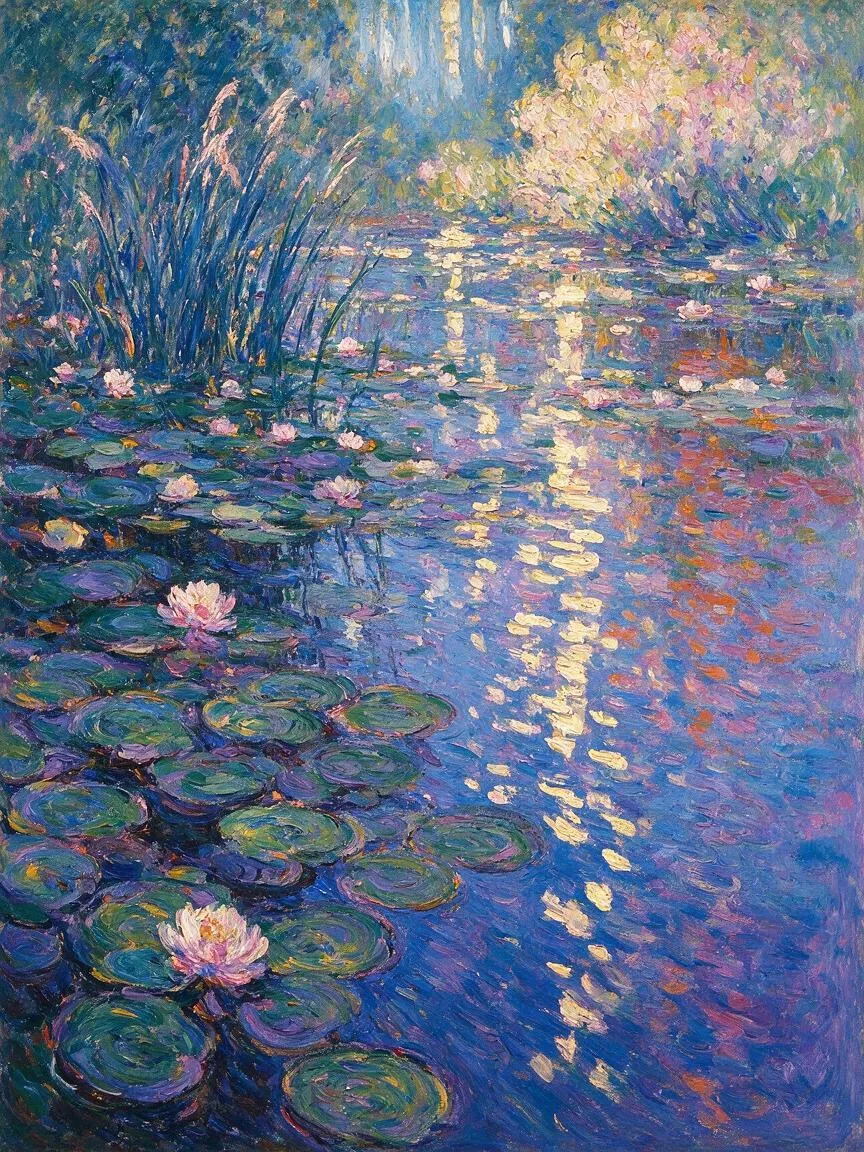
Impressionism
An art movement that originated in France in the 19th century, emphasizing the capture of fleeting light and shadow changes outdoors through loose brushstrokes and juxtaposed colors to express natural atmosphere.
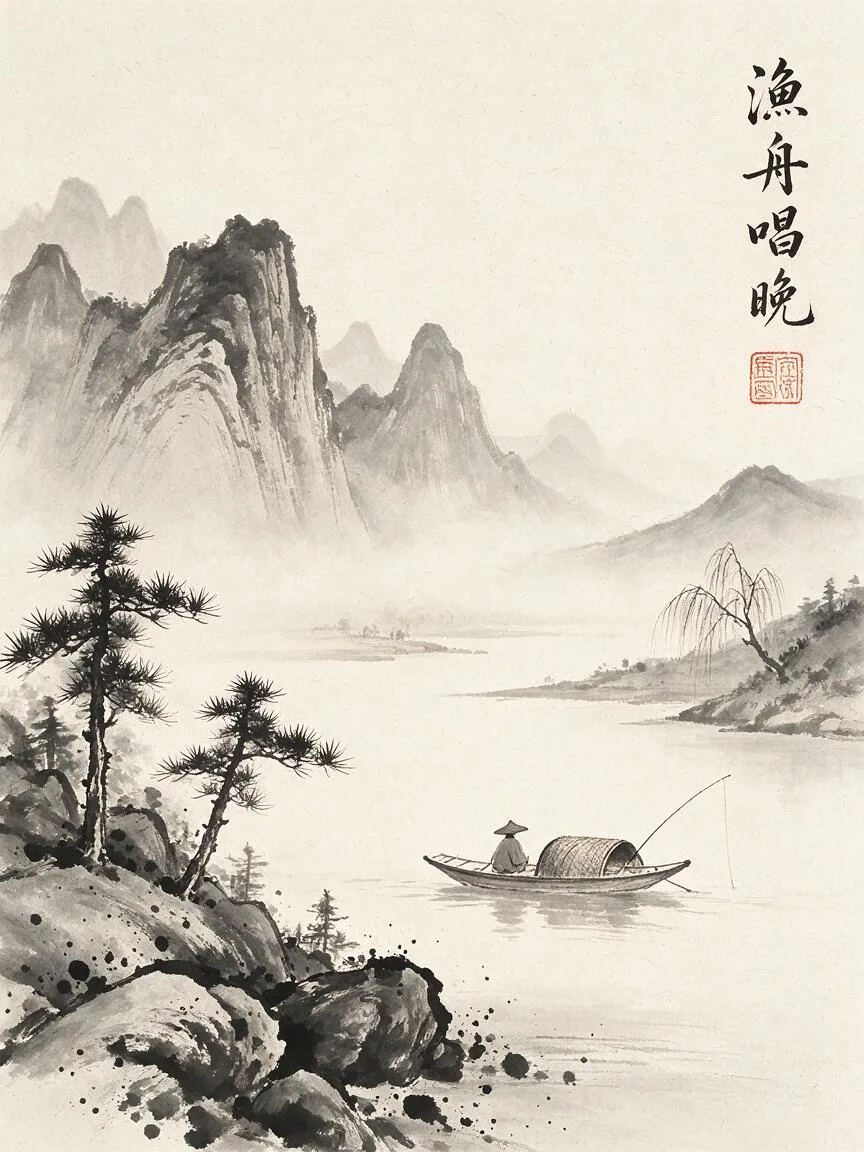
Ink Wash Painting
A traditional Eastern painting style that mixes water and ink, using the varying shades and textures of ink and large areas of blank space to depict subjects and convey artistic conception.
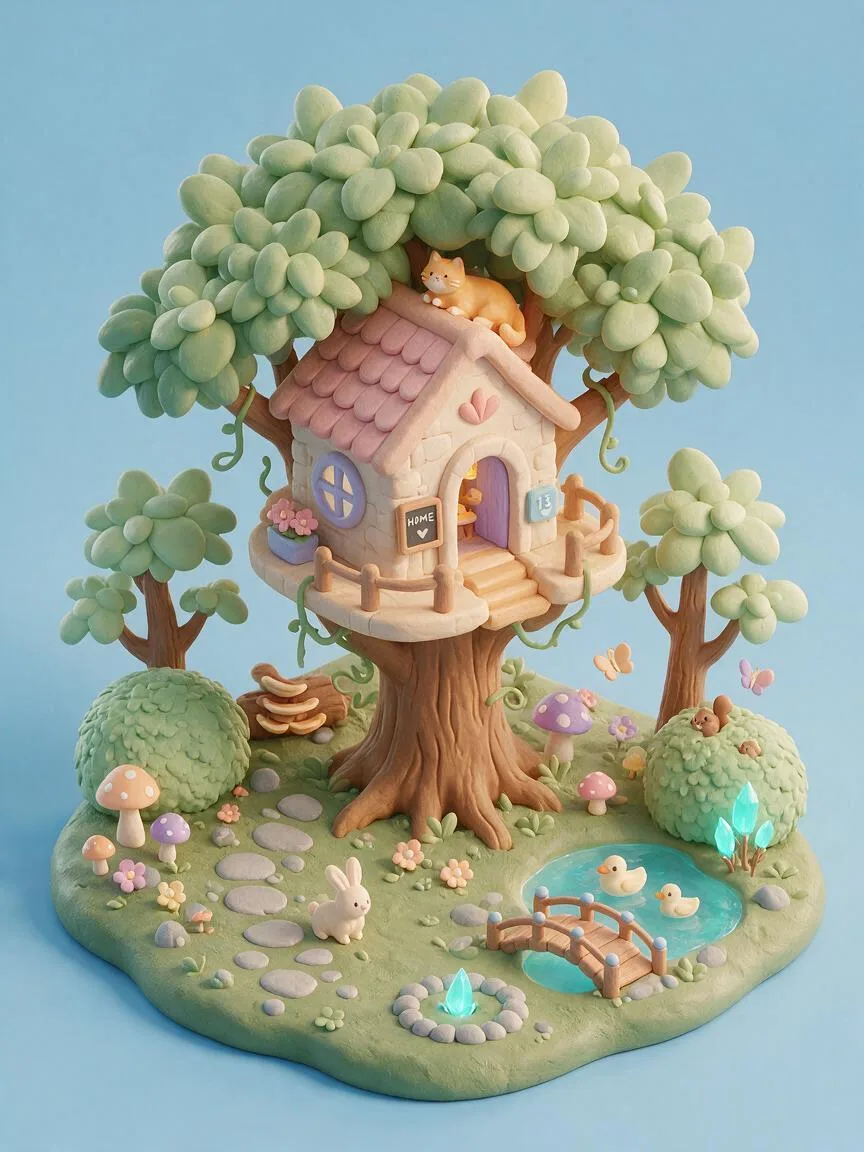
Isometric View
An orthographic projection of 3D space onto a 2D plane that eliminates perspective distortion, keeping parallel lines absolutely parallel.
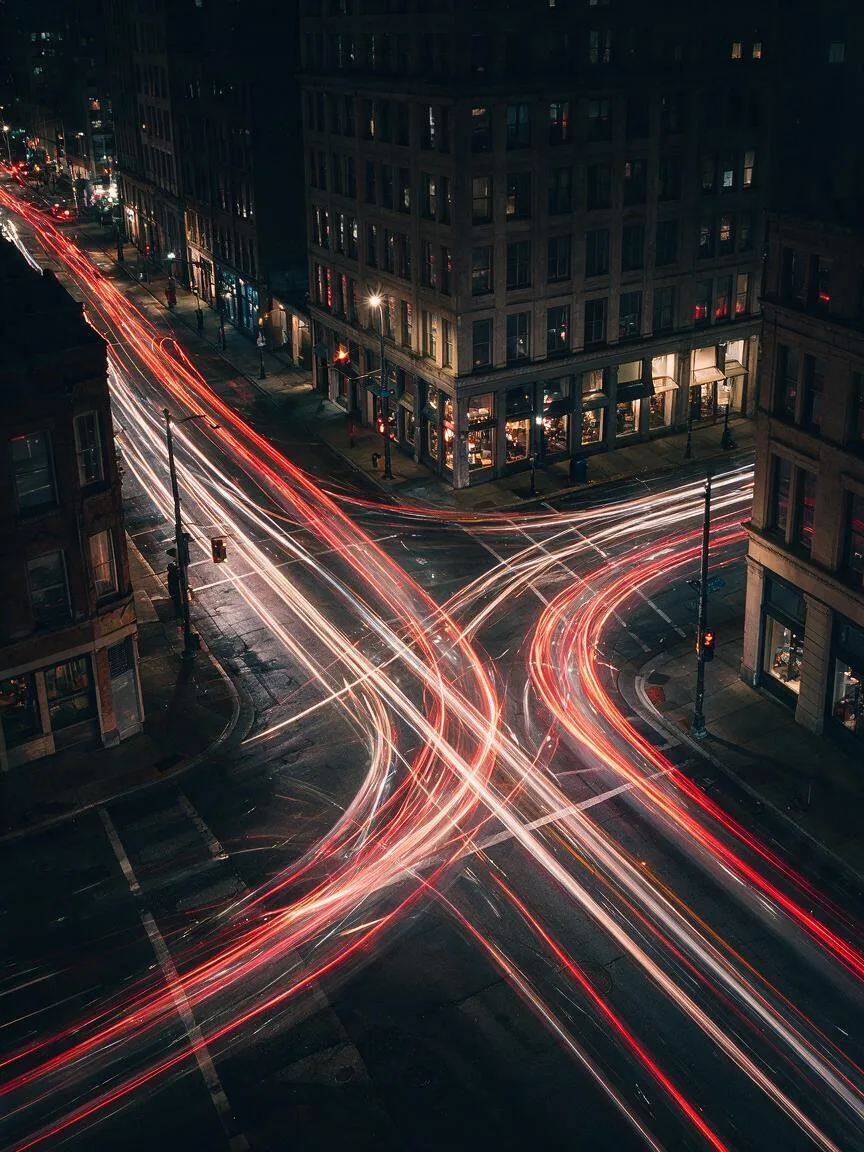
Long Exposure
A photographic technique and visual style that extends the camera shutter's open time to record the trajectories of moving objects as blurs, while keeping static subjects sharp.
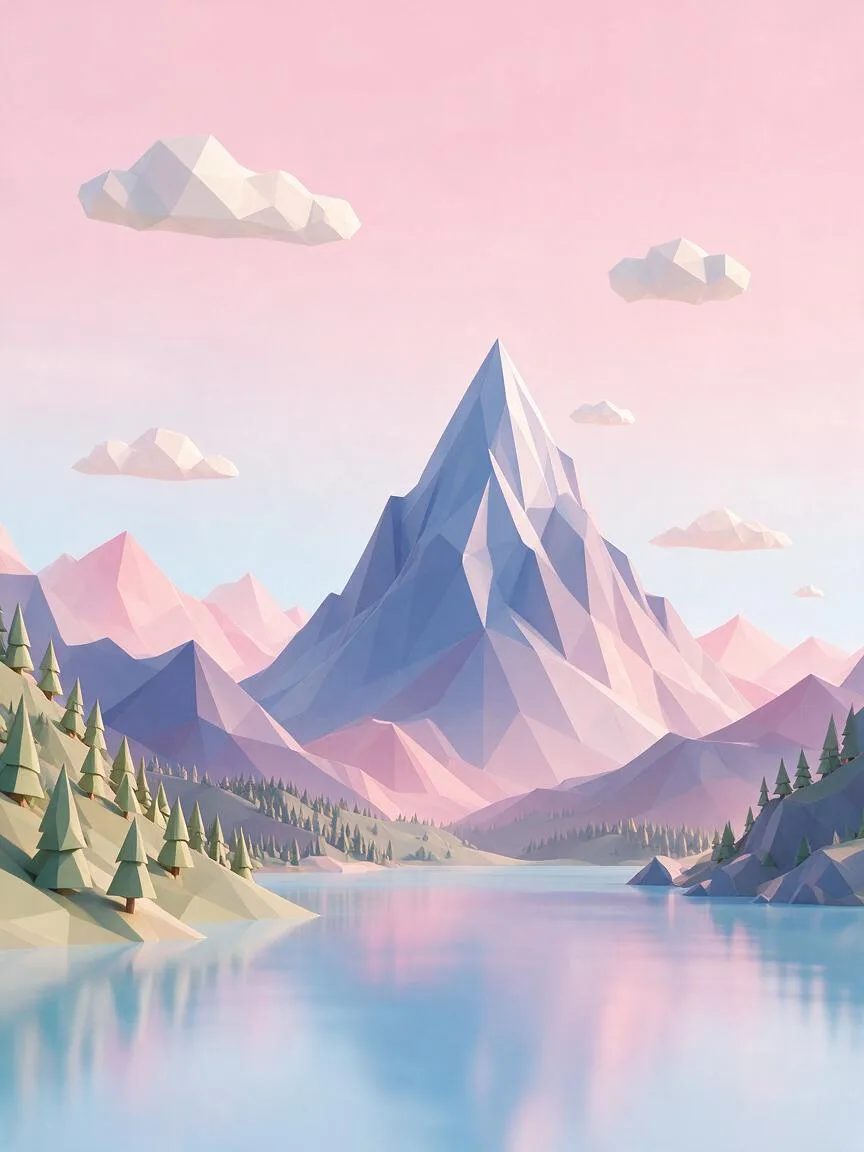
Low Poly
A digital art style that constructs 3D models or 2D visual effects using minimalist geometric polygonal faces.
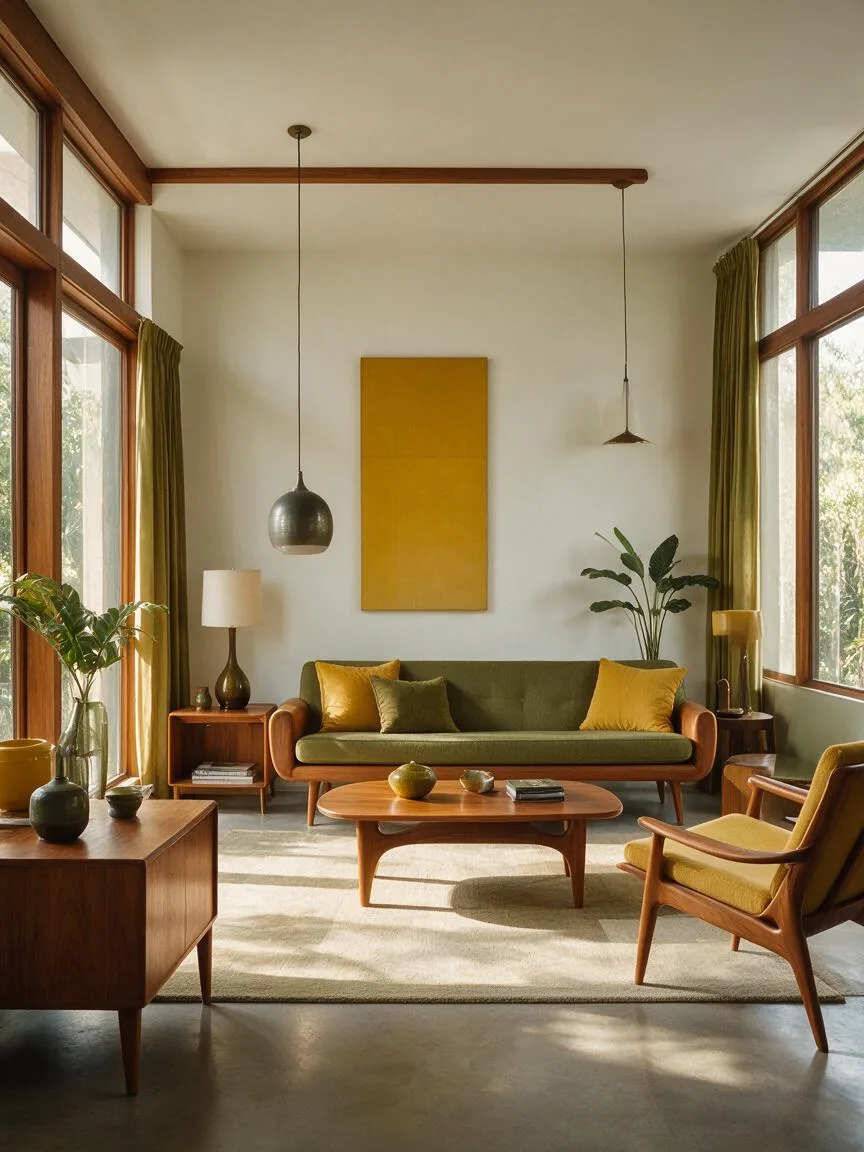
Mid-Century Modern
A design and aesthetic movement that emerged in the mid-20th century, characterized by clean geometric lines, organic forms, functionality, and warm retro color palettes.
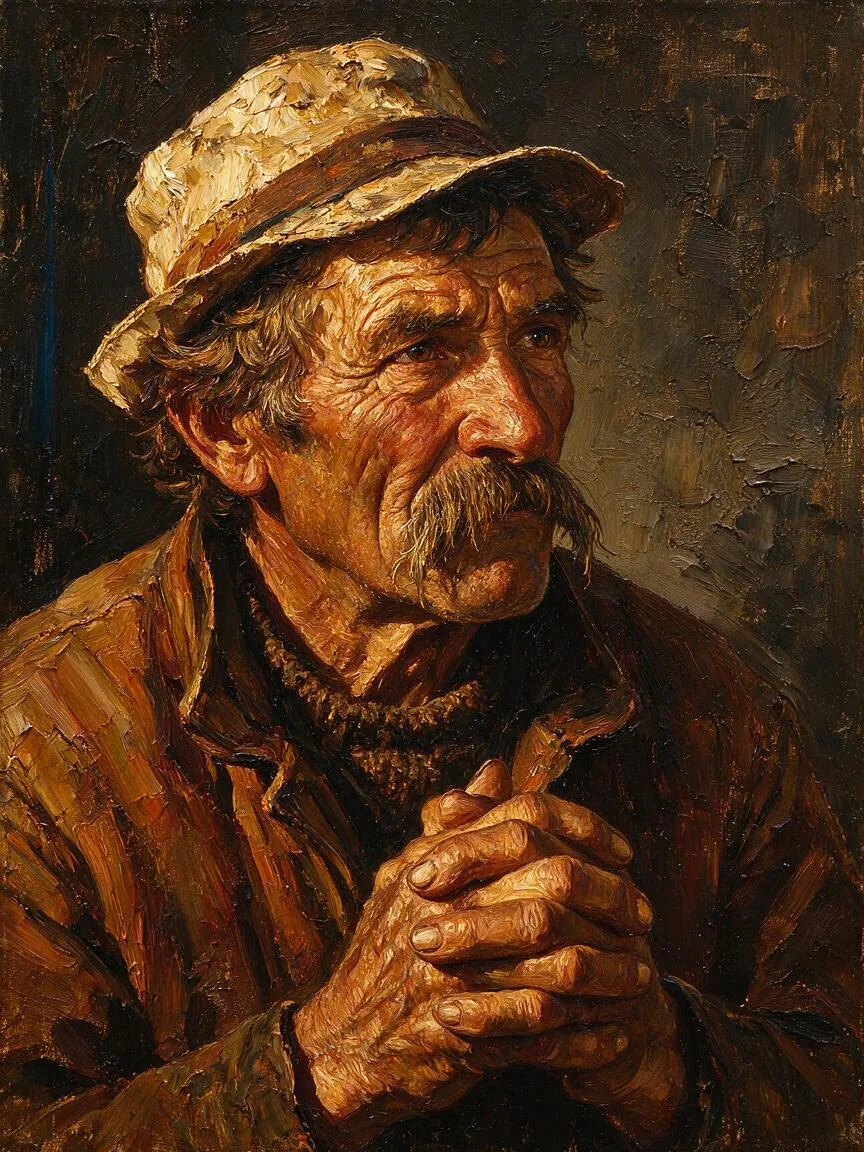
Oil Painting
A classic art style using pigments mixed with fast-drying oils on canvas, commonly used in AI image generation to simulate thick brushstrokes, rich color layering, and realistic canvas texture.
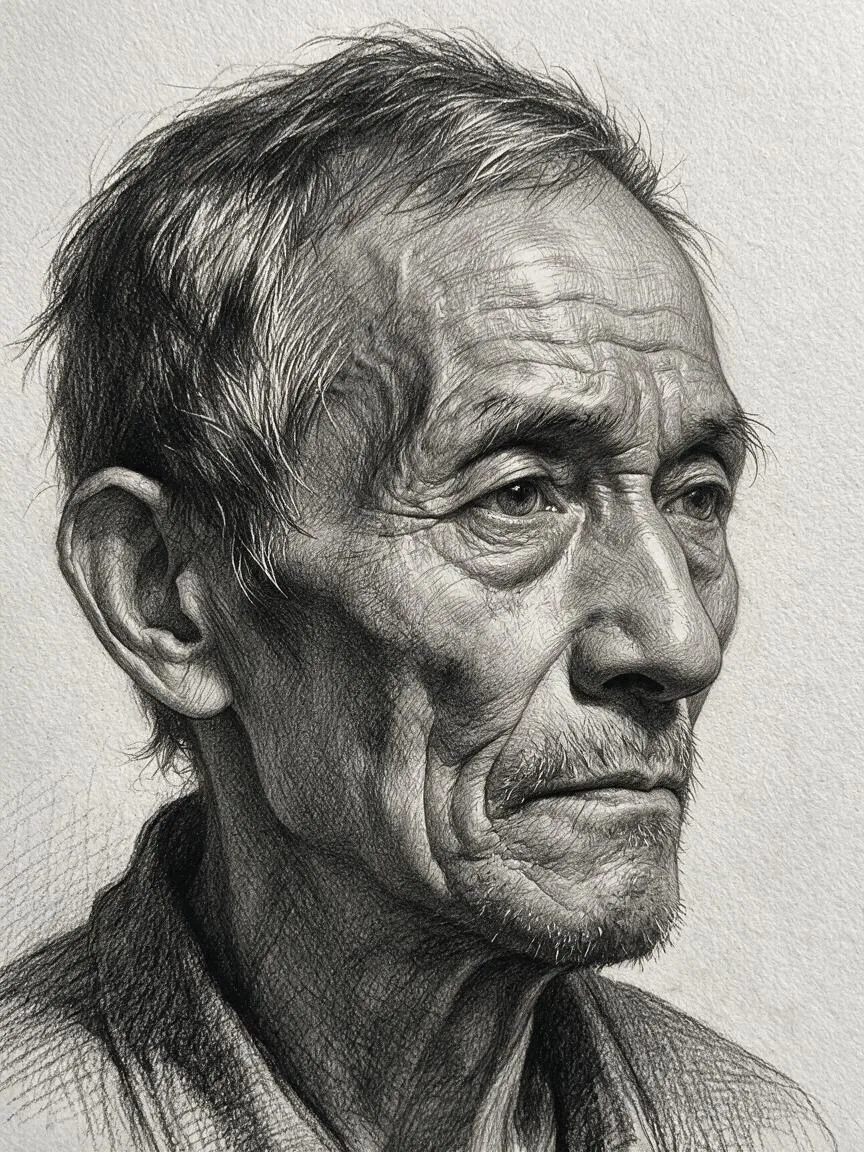
Pencil Sketch
A traditional black-and-white hand-drawn style that uses only pencils to express form and lighting through lines, hatching, and shading on paper.
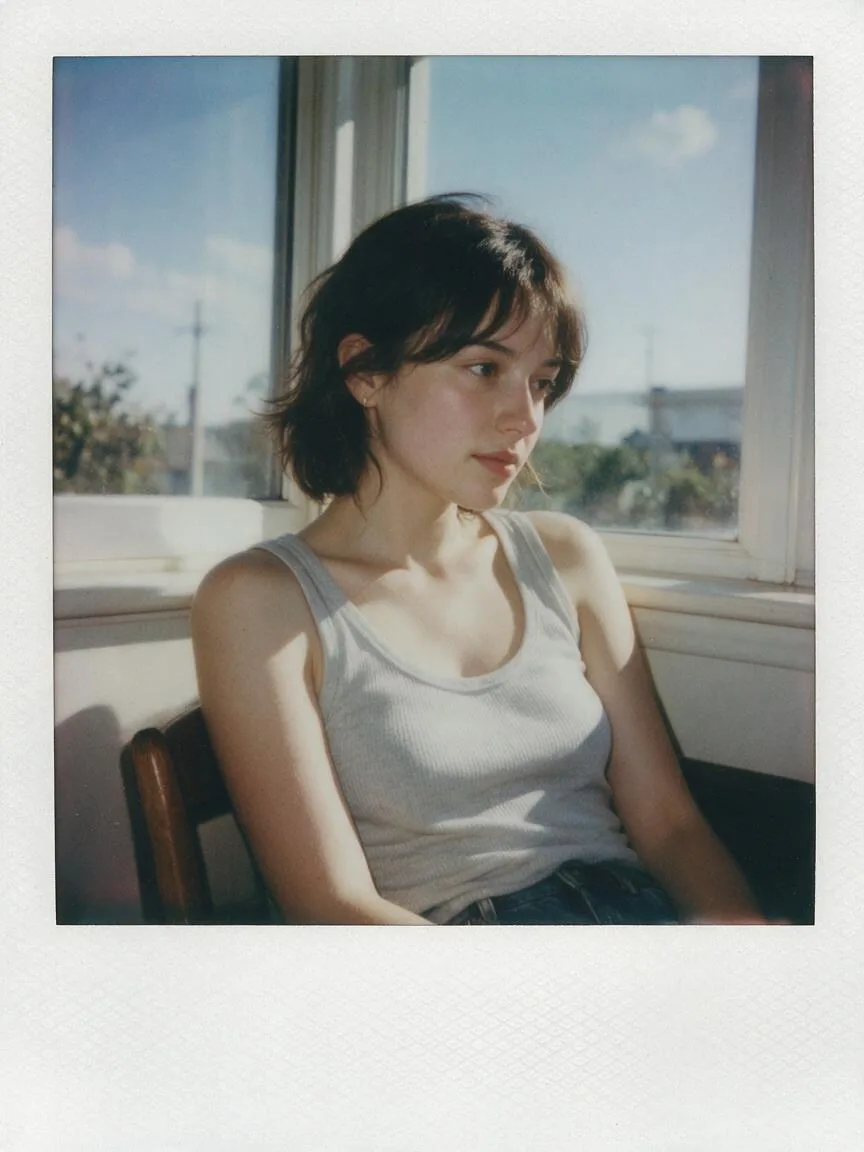
Polaroid
A vintage photography style that simulates the imaging characteristics of instant cameras, creating a strong sense of nostalgia and everyday life through faded colors, soft film grain, and subtle vignettes.
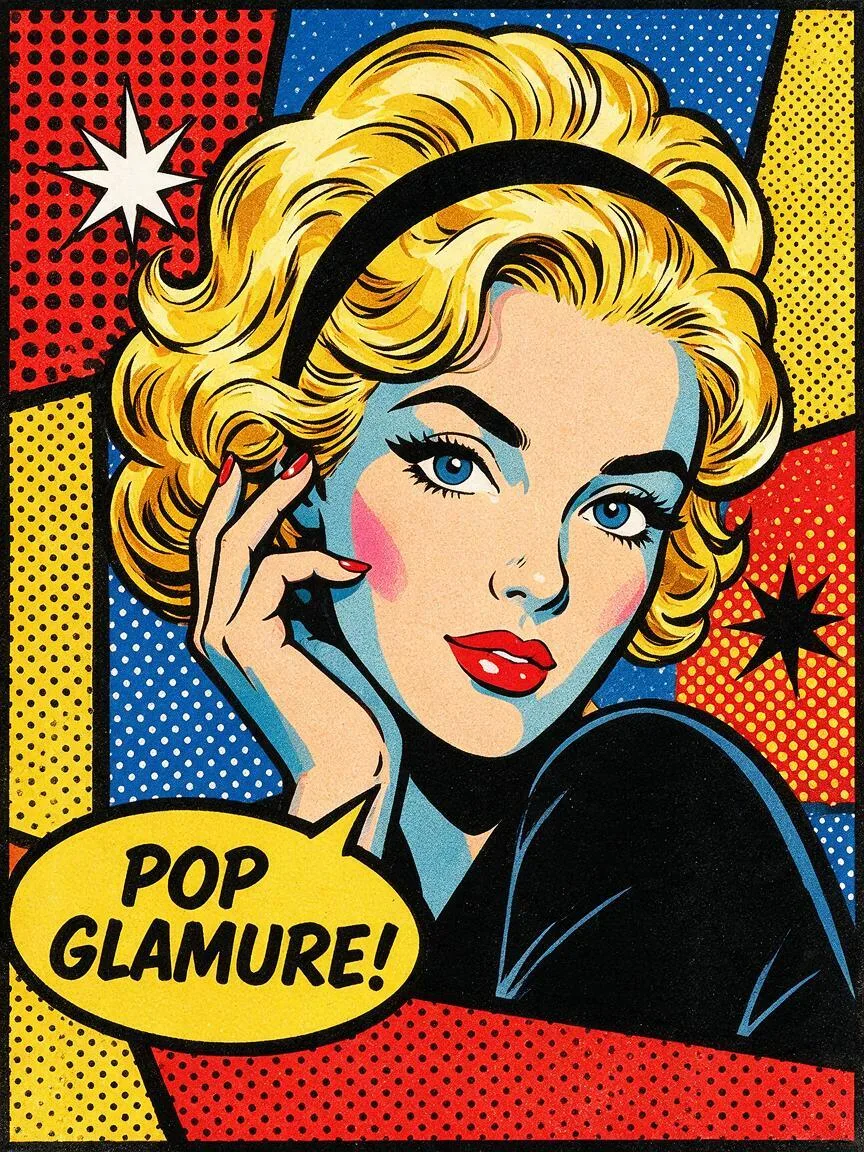
Pop Art
Originating in the mid-20th century, this avant-garde art style draws on mass culture, commercial advertising, and comics, characterized by high saturation colors, bold black outlines, and halftone dot patterns.
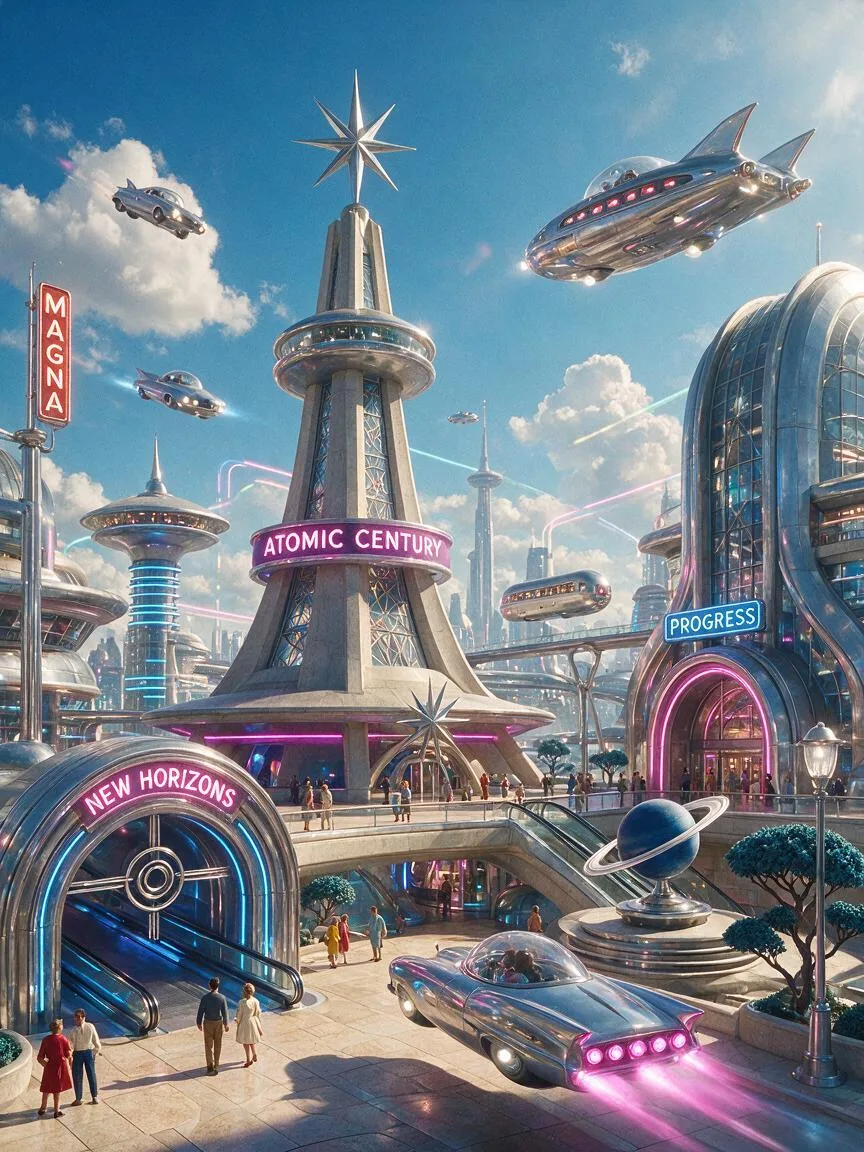
Retro Futurism
An art style that combines the mid-20th century's optimistic imagination of the future with modern technology, blending Space Age aesthetics with retro elements.
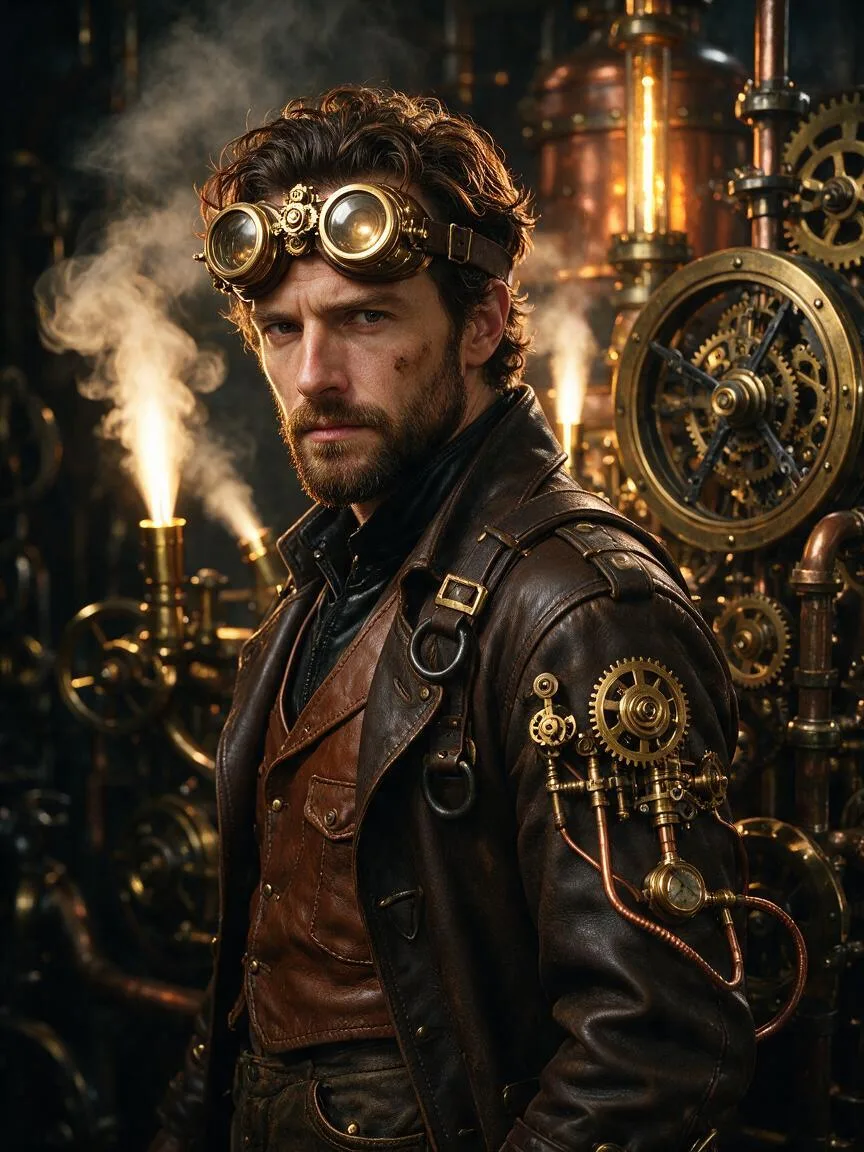
Steampunk
A sci-fi art style that blends 19th-century Victorian steam power technology with retro mechanical aesthetics.
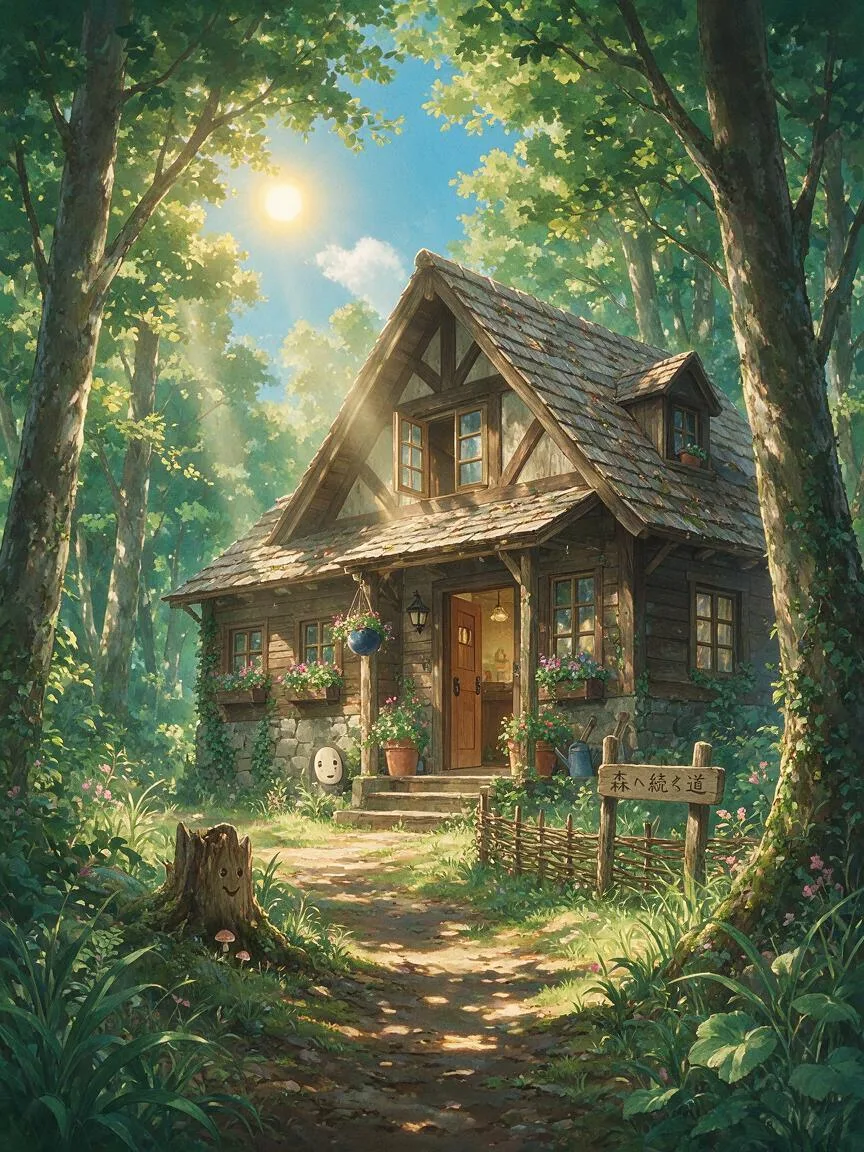
Studio Ghibli Style
A classic 2D animation aesthetic established by Japan's Studio Ghibli, characterized by delicate hand-painted backgrounds, warm natural lighting, and vibrant character designs.
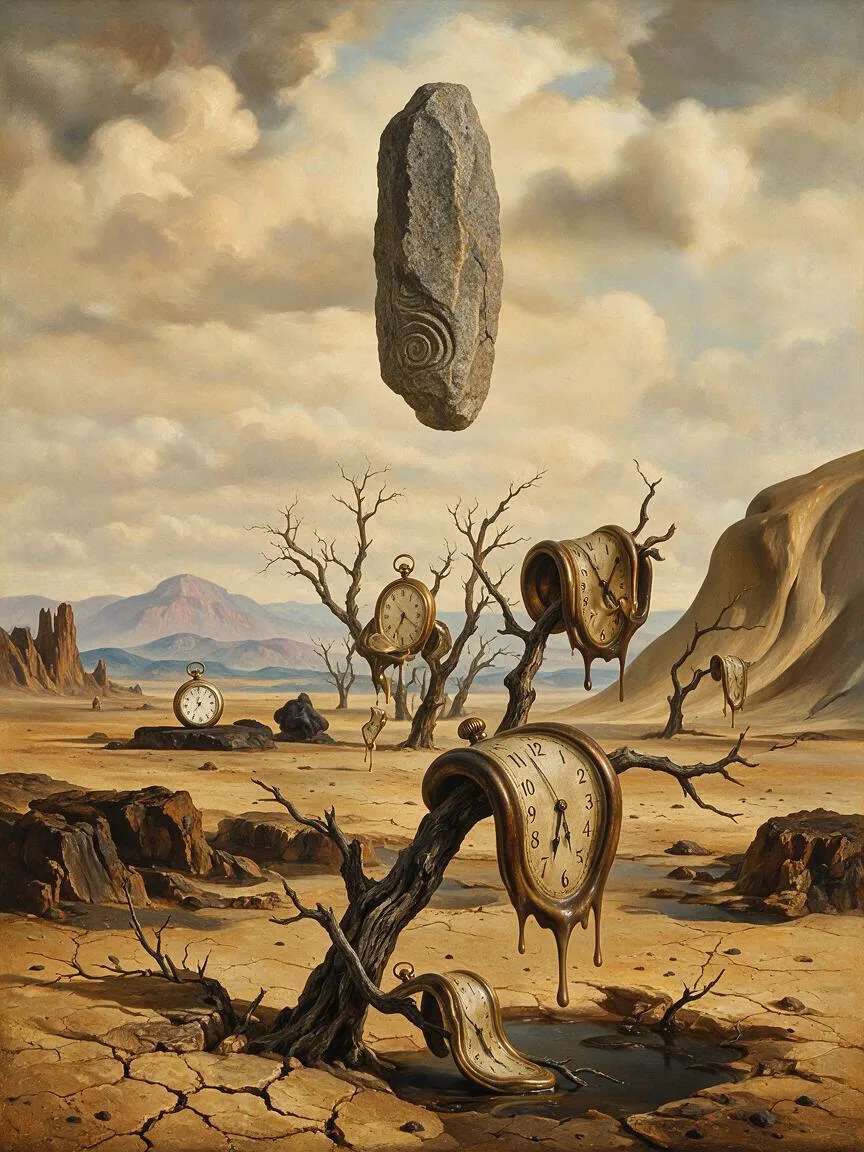
Surrealism
An art style that breaks the logic of reality by freely combining dreams, the subconscious, and absurd elements.
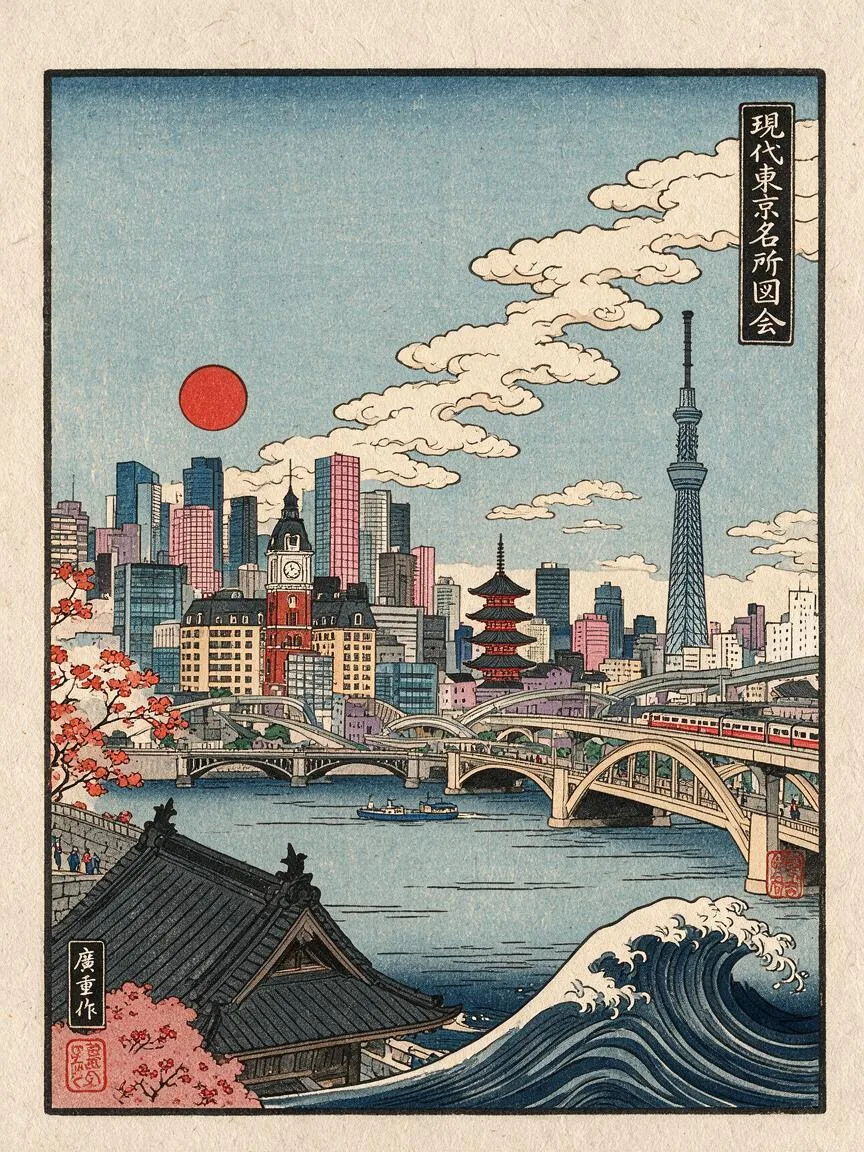
Ukiyo-e
A traditional woodblock print art style originating from the Edo period in Japan, characterized by flat color application, bold black outlines, and a unique scattered perspective.
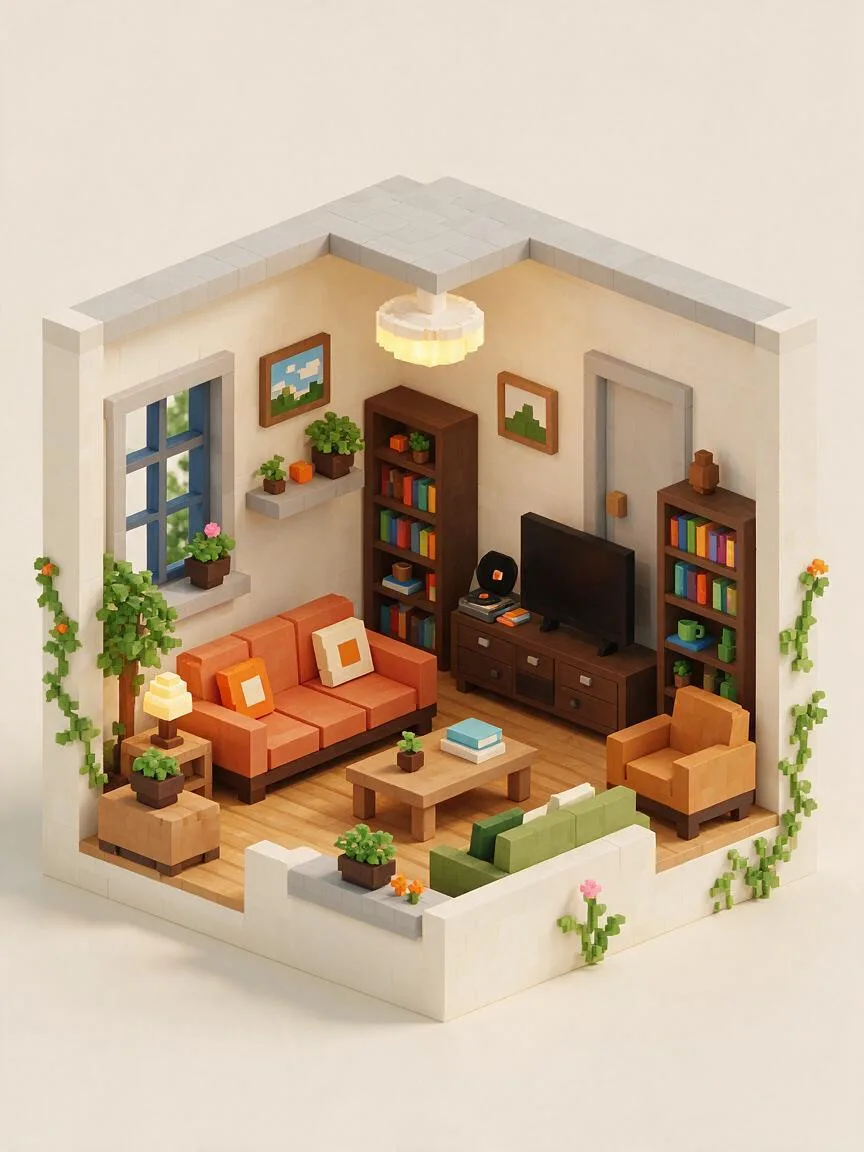
Voxel
Voxel is a digital art style that uses 3D cubes as the fundamental building blocks to construct scenes and objects, essentially acting as pixel art in three-dimensional space.
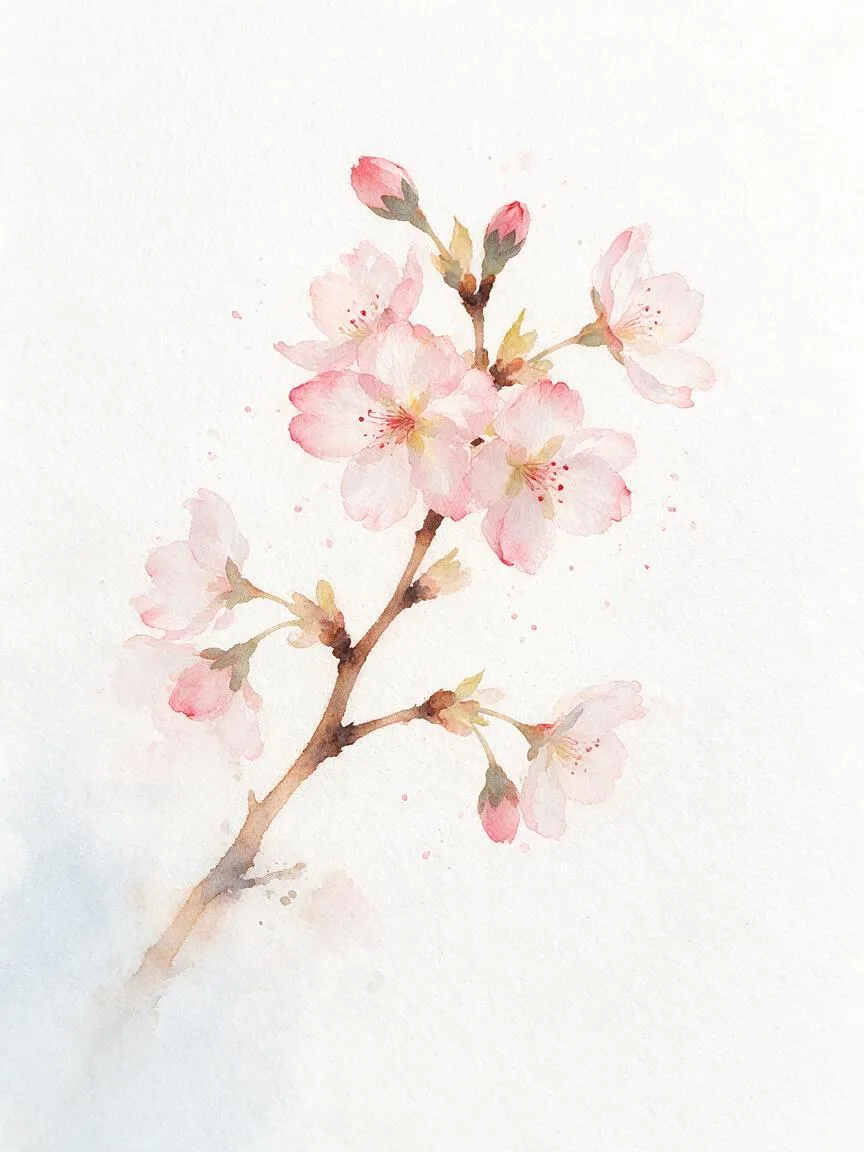
Watercolor
A water-based painting style. In AI generation, it is characterized by translucent color bleeding, visible paper texture, and delicate water mark edges.
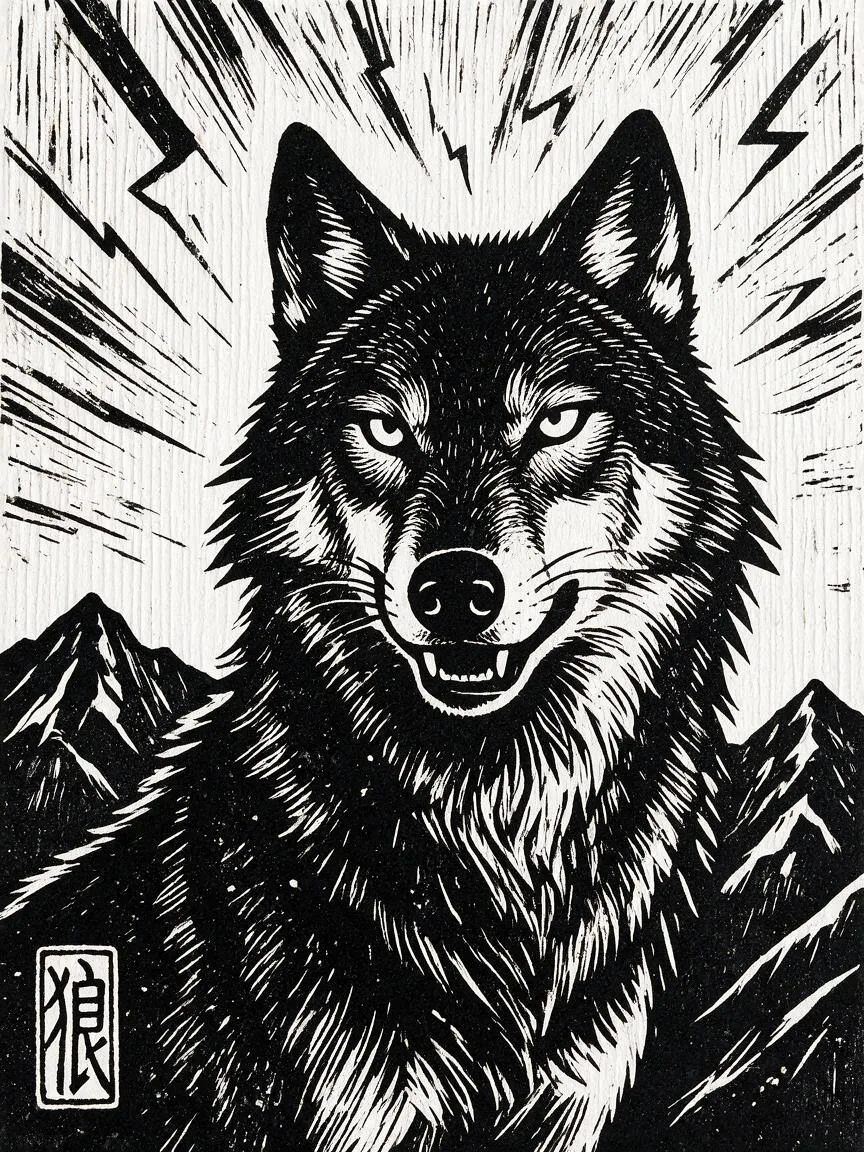
Woodcut
Woodcut is a traditional relief printing art form. In AI image generation, it appears as a retro visual style characterized by strong gouge marks, rough wood grain textures, and high-contrast block structures.
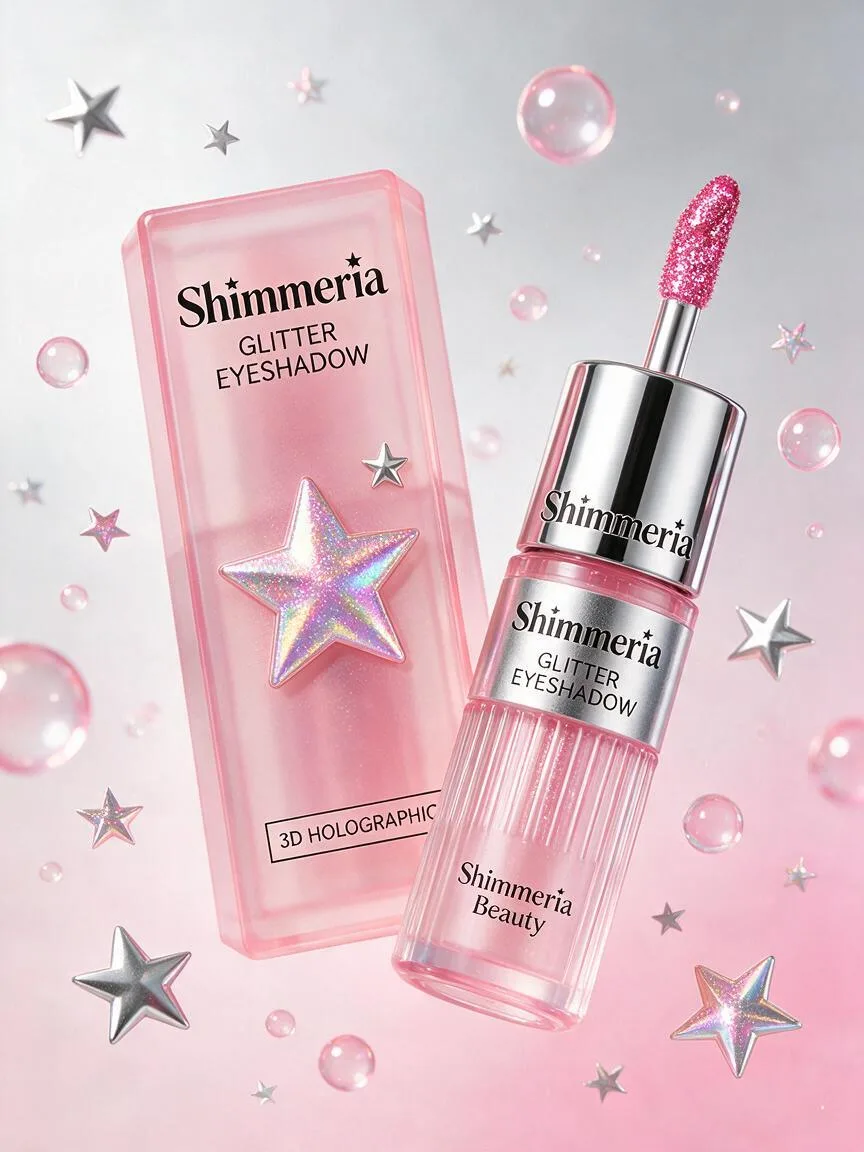
Y2K Aesthetic
A popular visual style originating from the late 1990s to early 2000s, blending retro futurism, early technological optimism, and highly saturated colors and materials.