Film Photography
Film Photography Film Style Analog Photography Vintage Film Silver Halide Photography
Image StylesA photography style that emulates the imaging texture of traditional silver halide film, characterized by unique grain, color shifts, and dynamic range.
Also known as: Film Style · Analog Photography · Vintage Film · Silver Halide Photography
- Midjourney
- DALL-E 3
- Stable Diffusion
- Kling
- Dreamina
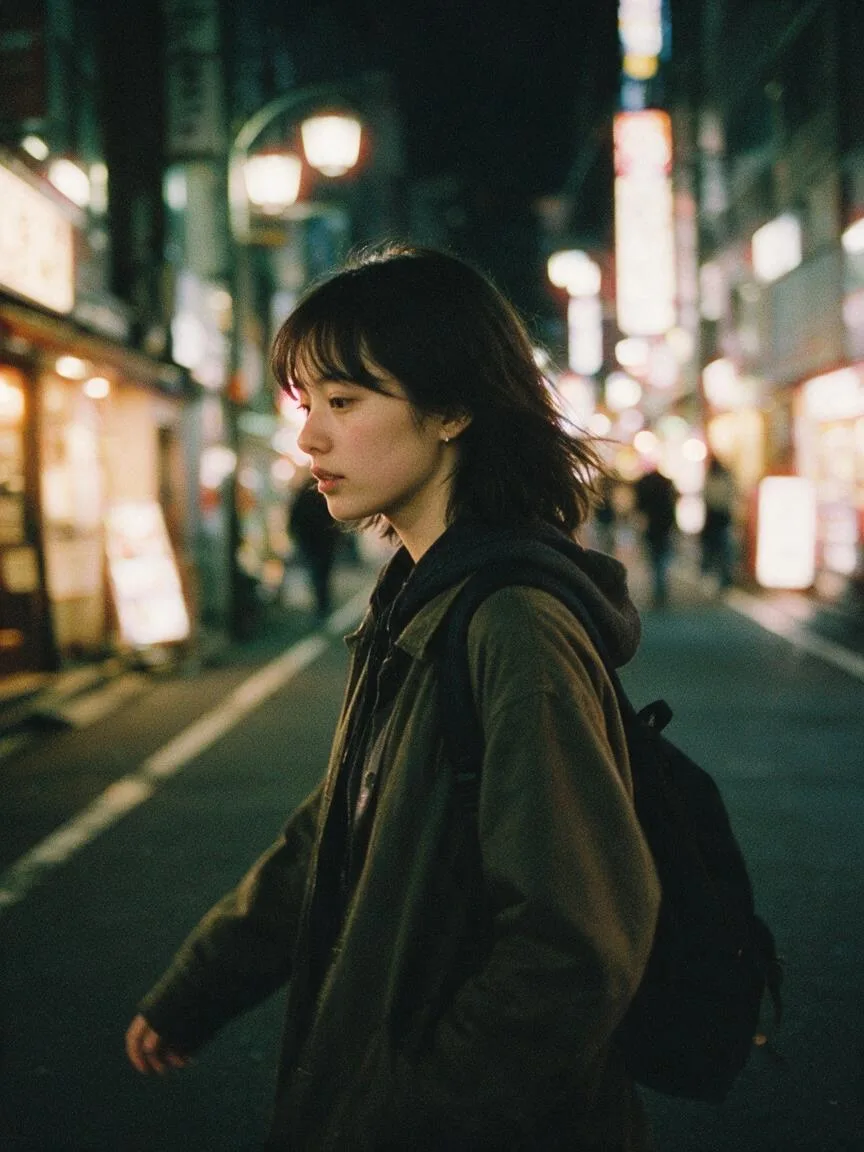
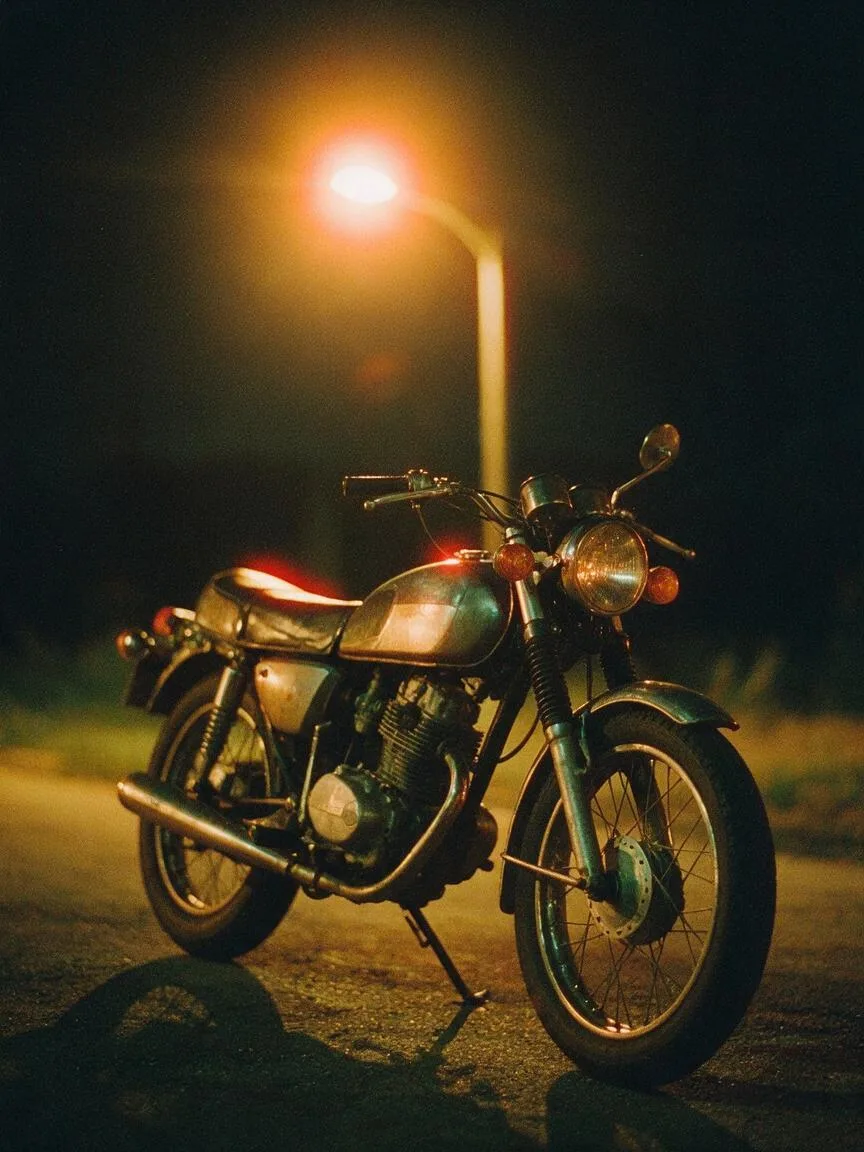

Prompt snippets
A candid street photography of a young woman in Tokyo at night, shot on Cinestill 800T, 35mm lens, f/1.4, neon halation, distinct film grain, moody lighting, analog photography --ar 16:9 --style raw --v 6.0A nostalgic portrait of an old man reading a book by a window, soft natural lighting, shot on Kodak Portra 400, medium format camera, warm skin tones, subtle film grain, authentic analog aesthetic, slight vignette.masterpiece, best quality, 1girl, sitting in a cafe, sunlight, shot on Fujifilm Pro 400H, 35mm film, film grain, analog style, soft contrast, vintage color grading, realisticA vintage film-style portrait photography of a girl walking in an autumn park, shot on Kodak Gold 200, 35mm lens, distinct film grain, warm sunlight, natural color shifts, full of nostalgic and everyday life vibes, high quality.Cinematic film photography, rainy night streets of a cyberpunk city, shot on Kodak Cinestill 800T, neon lights creating red halation in the lens, high contrast, rough film grain, rich details in the shadows, Wong Kar-wai film color style.
What it is
Film Photography is a visual style that emulates the imaging characteristics of traditional silver halide film. By replicating the optical and chemical properties of physical media, it produces grain, unique color shifts, and highlight halation that are difficult to achieve naturally with digital photography.
Visual and emotional effect
Visually, the core of the film aesthetic lies in its “imperfect” physical artifacts: pronounced silver halide grain, edge vignetting, soft contrast, and color casts introduced by specific development processes. Emotionally, it acts as a temporal filter, conveying nostalgia, authenticity, warmth, or raw documentary realism, while stripping away the “plastic” look and excessive sharpness of digital images.
When to use it
Ideal for scenes requiring a narrative, nostalgic, or slice-of-life documentary atmosphere. Examples include portrait photography (for skin texture and soft tones), street documentary, vintage poster design, and visual projects that need to reduce digital artifacts and enhance a cinematic mood.
Prompt tips
In AI image generation, simply using “film photography” often yields random results. The key to precise control is to specify the exact film stock (e.g., Kodak Portra 400 for soft portraits, Cinestill 800T for neon night scenes) and the format (35mm, 120 medium format). Pairing these with specific camera lenses and development processes significantly improves output accuracy.
Common mistakes
- Grain overload: Overemphasizing grain turns the image into mere digital noise, losing the subtle tonal layers unique to film.
- Confusing digital filters: Many so-called “vintage filters” merely add vignetting and low contrast without replicating the specific color chemistry of film.
- Ignoring light sources: Film is highly sensitive to light. Without leveraging natural light or specific night lighting, it is difficult to achieve a classic film look.