Polaroid
Polaroid Polaroid Style Instant Film Photography
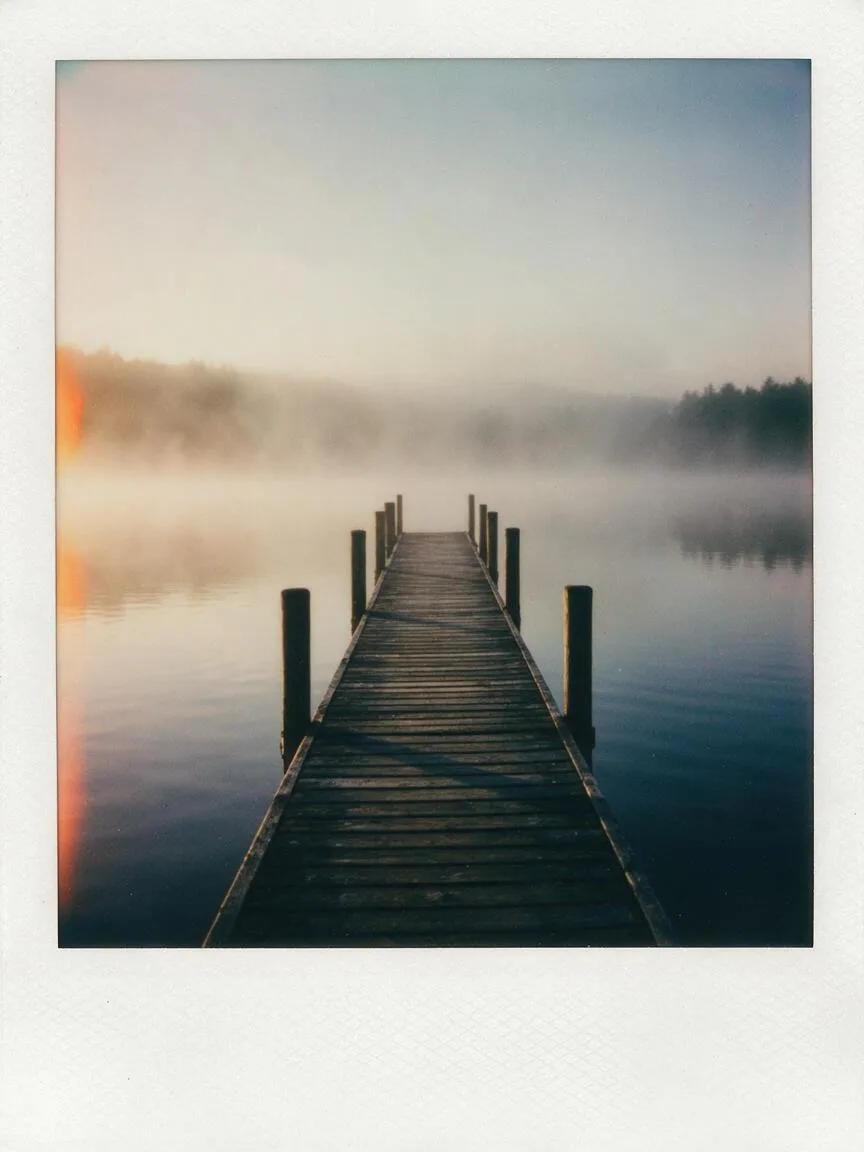
Image StylesA vintage photography style that simulates the imaging characteristics of instant cameras, creating a strong sense of nostalgia and everyday life through faded colors, soft film grain, and subtle vignettes.
Also known as: Polaroid Style · Instant Film Photography
- Midjourney
- Kling
- Runway


Prompt snippets
A polaroid photo of a young woman sitting by the window on a sunny afternoon, faded colors, soft film grain, light leak, vignette, authentic instant film photography --ar 4:5 --v 6.0A polaroid photo, a girl sitting by a sunny window, faded colors, soft film grain, slight light leak, vignette effect, authentic instant film photography texture, everyday nostalgic atmosphere.A polaroid style video of a coffee cup on a wooden table, warm vintage tones, slight film grain, nostalgic and intimate atmosphere.
What it is
In AI visual creation, “Polaroid” refers not only to the instant film paper with a white border but also to a vintage photography style that simulates the physical characteristics of instant cameras. By recreating the traits of early instant development technology, it presents a unique visual texture.
Visual and emotional effect
Visually, the Polaroid style typically features low contrast, slightly faded or shifted colors, soft film grain, edge vignetting, and random slight light leaks. These “imperfect” physical characteristics break the absolute clarity of digital images. Emotionally, it inherently carries a strong sense of nostalgia, intimacy, warmth, and everyday life, like a memory fragment pulled from an old photo album, effectively closing the psychological distance with the audience.
When to use it
It is highly suitable for expressing personal memories, daily life documentation, vintage emotional portraits, indie music album covers, or Vlog covers. When you need to inject a sense of authenticity and the passage of time into an image, it is an excellent choice. However, it is not suitable for subjects requiring extremely high definition, commercial product retouching, or cold, futuristic themes like Cyberpunk.
Prompt tips
The core is to describe the physical characteristics of instant film, rather than just writing the word “Polaroid”. It is recommended to combine terms like faded colors, soft film grain, light leak, vignette, and instant film photography. If you do not need the white paper border, be sure to add no white frame. Combining it with warm lighting prompts like Golden Hour can maximize its warm atmosphere.
Common mistakes
The biggest mistake is assuming that a white film border must be generated, which often restricts the composition and looks forced. Secondly, an imbalance in color control: the charm of Polaroid lies in faded colors rather than High Saturation; overly vibrant colors will destroy its vintage core. Additionally, light leak effects should be used sparingly; overly strong light leaks will directly swallow the main subject of the image.