Cel Shading
Cel Shading Cel-shaded Toon Shading
Image StylesA non-photorealistic rendering style that simulates the texture of traditional hand-drawn animation using hard edges and flat color blocks, defining volume with clear light-shadow boundaries.
Also known as: Cel-shaded · Toon Shading
- Midjourney
- Sora
- Kling
- Runway
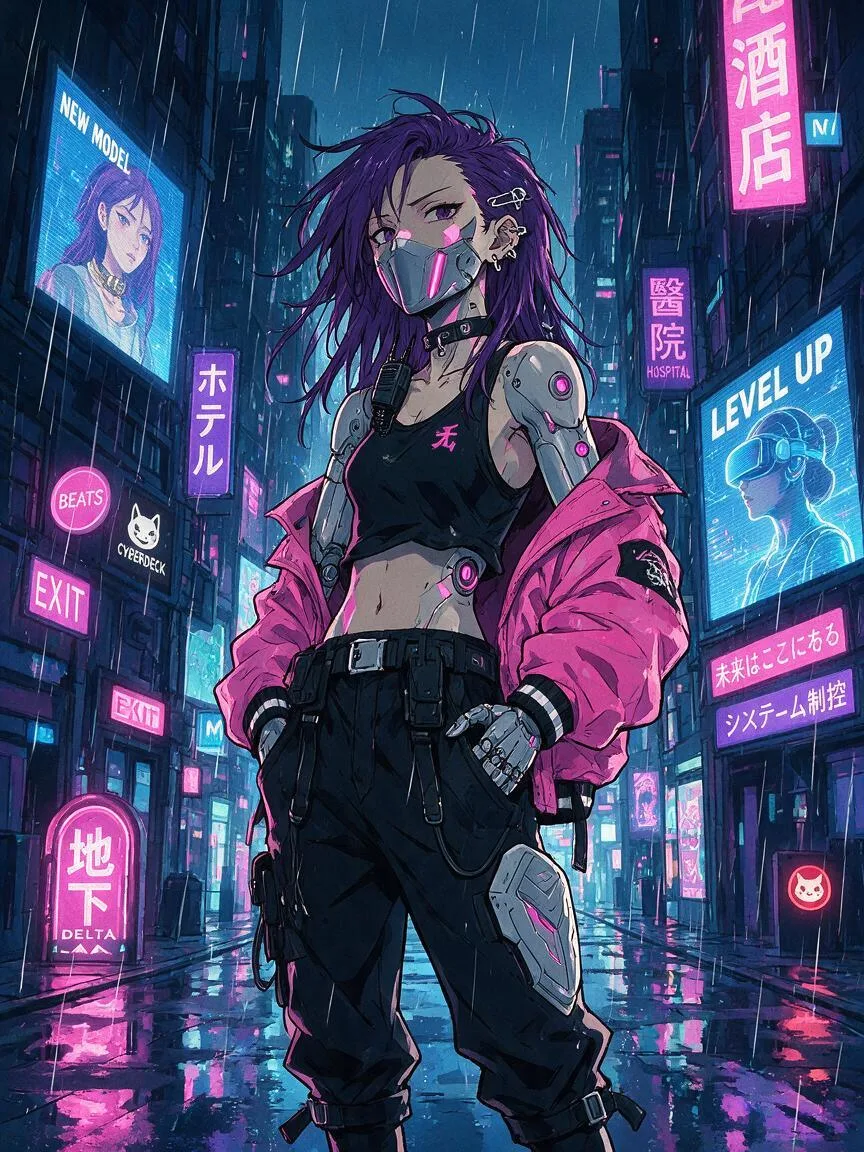
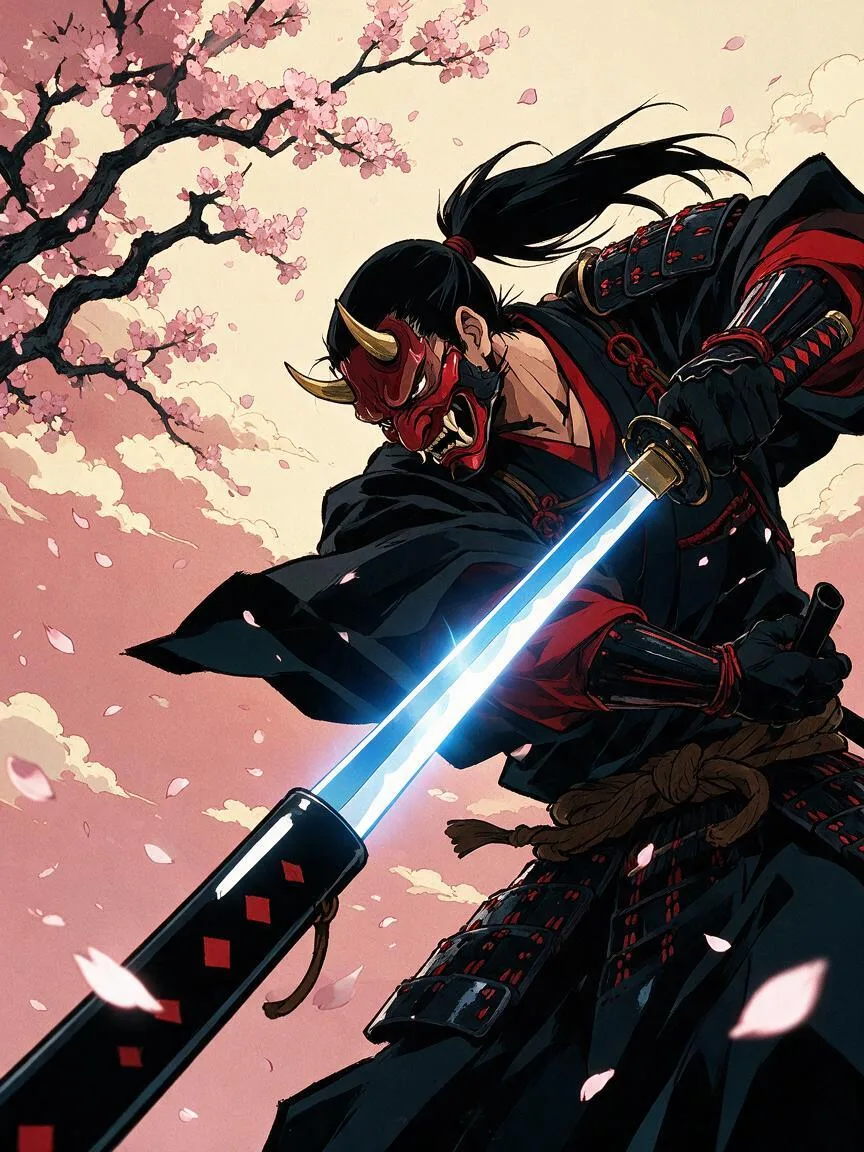
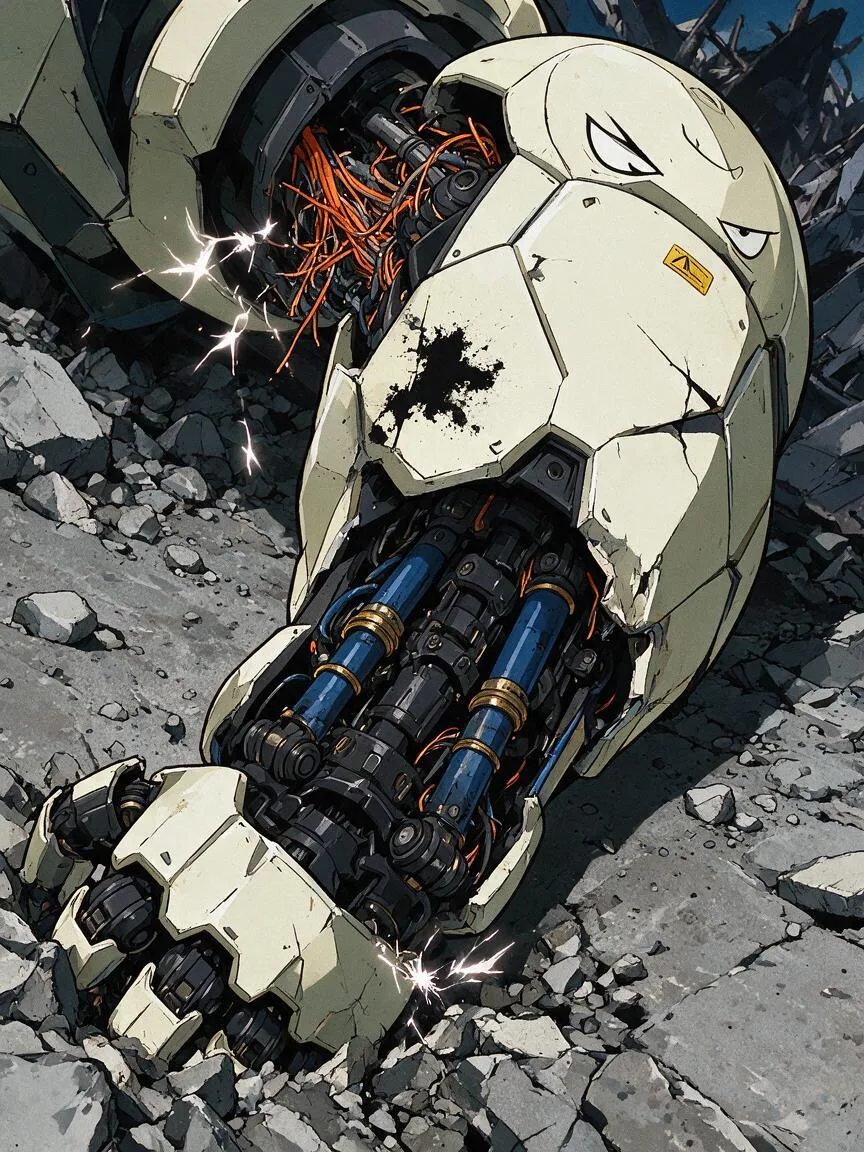
Prompt snippets
A cyberpunk girl standing in the neon-lit rain, cel shaded, anime style, flat colors with hard shadows, thick black outlines, Studio Trigger style, 2d animation aesthetic --ar 16:9 --niji 6A 3D cel-shaded character running through a vibrant fantasy forest, flat colors, hard edge shadows, thick outlines, anime aesthetic, smooth animation, 4kA cel-shaded mecha girl standing in a ruined city, flat colors, hard edge shadows, thick black outlines, Japanese anime aesthetic, high saturation, pure colorsCel shaded 3D animation of a stylized samurai drawing a glowing sword, flat colors, sharp shadows, anime aesthetic, dynamic camera movement, high quality
What it is
Cel Shading is a Non-Photorealistic Rendering (NPR) technique that simulates the visual texture of traditional hand-drawn animation (cel animation) using hard edges and flat color blocks. It removes complex physical light transitions, using clear light-shadow boundaries and solid color blocks to define volume. It is the core art style for modern Japanese anime and 3D cartoon games (such as The Legend of Zelda: Breath of the Wild and Guilty Gear).
Visual and emotional effect
Pure colors, clear outlines, and distinct light-shadow contrast. This style instantly strips away the heaviness of reality, giving the image a strong anime, retro animation, or game CG vibe. Highly saturated color blocks paired with sharp shadows convey passion, vitality, or a dreamy mood; lowering the saturation and adding noise can create a nostalgic feel reminiscent of retro cel animation film (1990s OVA).
When to use it
When you need to create anime-style character illustrations, game concept designs, comic storyboards, or when you want to break away from the AI’s default overly polished realistic look and pursue extreme stylized expression. It is also commonly used to create visually striking motion posters and music videos.
Prompt tips
The core keywords are cel shaded, flat colors, hard shadows, and thick outlines. For a specific era feel, add 90s anime aesthetic or retro cel animation. Make sure to exclude realistic, soft shadows, and ray tracing in negative prompts to prevent the AI from adding realistic physical lighting that ruins the purity of the color blocks.
Common mistakes
- Confusing Cel Shading with Flat Illustration: Flat Illustration usually discards lighting and volume entirely, whereas Cel Shading must retain clear light-shadow boundaries and color blocking to define volume.
- Shadow edges not “hard” enough: If the prompt doesn’t emphasize
hard shadows, the AI might generate lighting with soft transitions, turning the image into standard 3D rendering instead of Cel Shading.