Mid-Century Modern
Mid-Century Modern Mid-Century Modern Style MCM Style Retro Modernism 50s Modern Style
Image StylesA design and aesthetic movement that emerged in the mid-20th century, characterized by clean geometric lines, organic forms, functionality, and warm retro color palettes.
Also known as: Mid-Century Modern Style · MCM Style · Retro Modernism · 50s Modern Style
- Midjourney
- Sora
- Kling
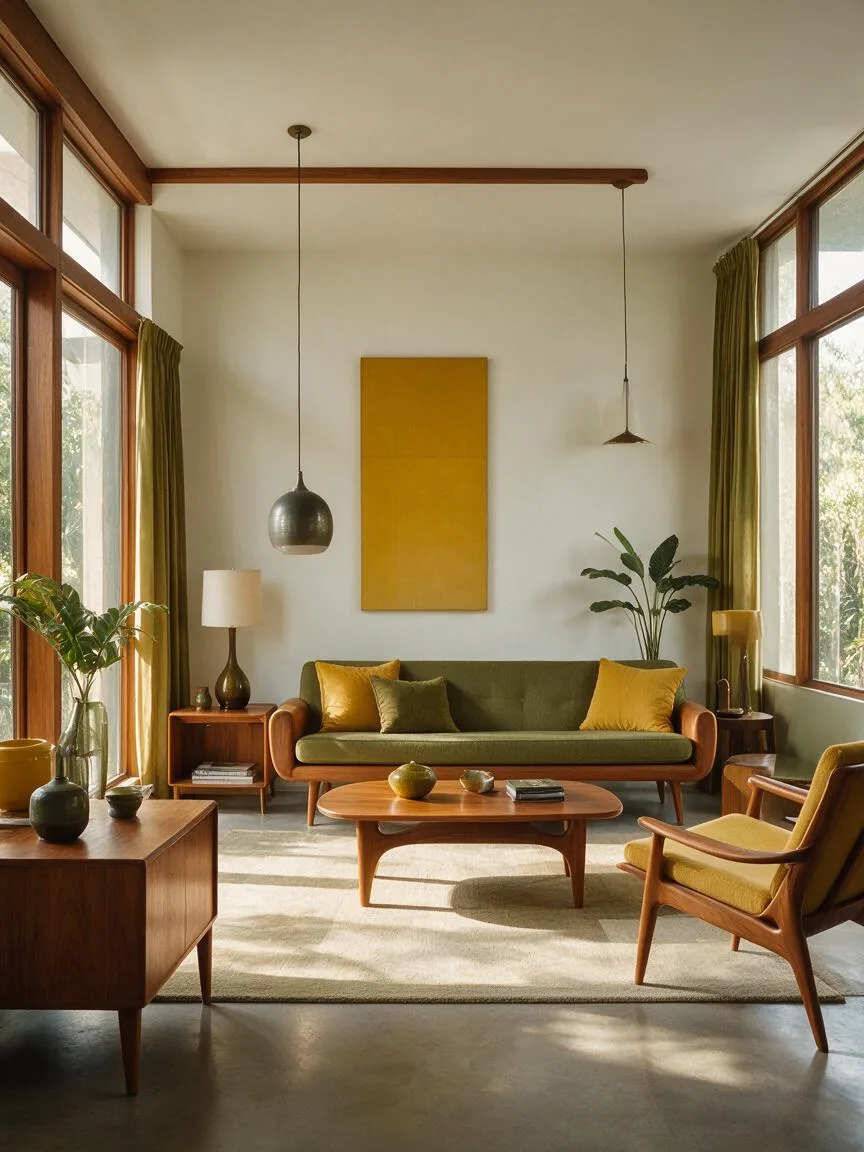
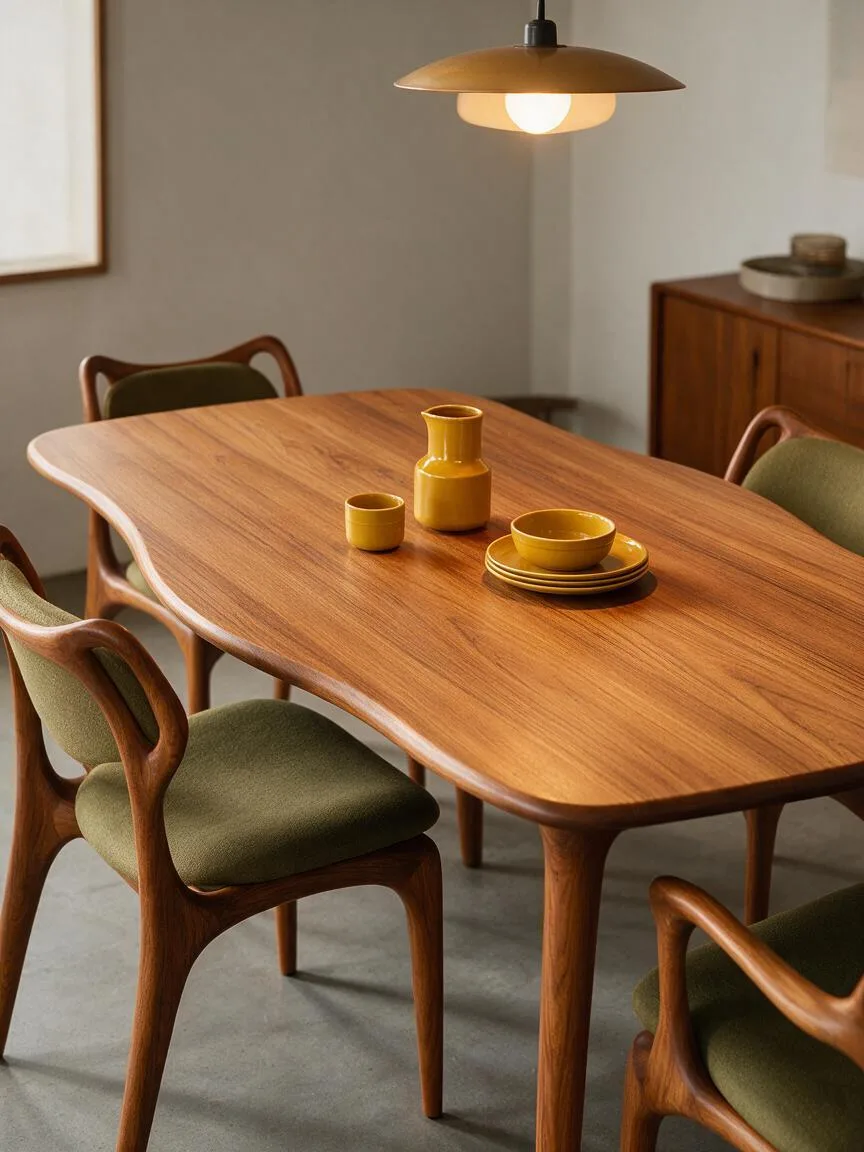
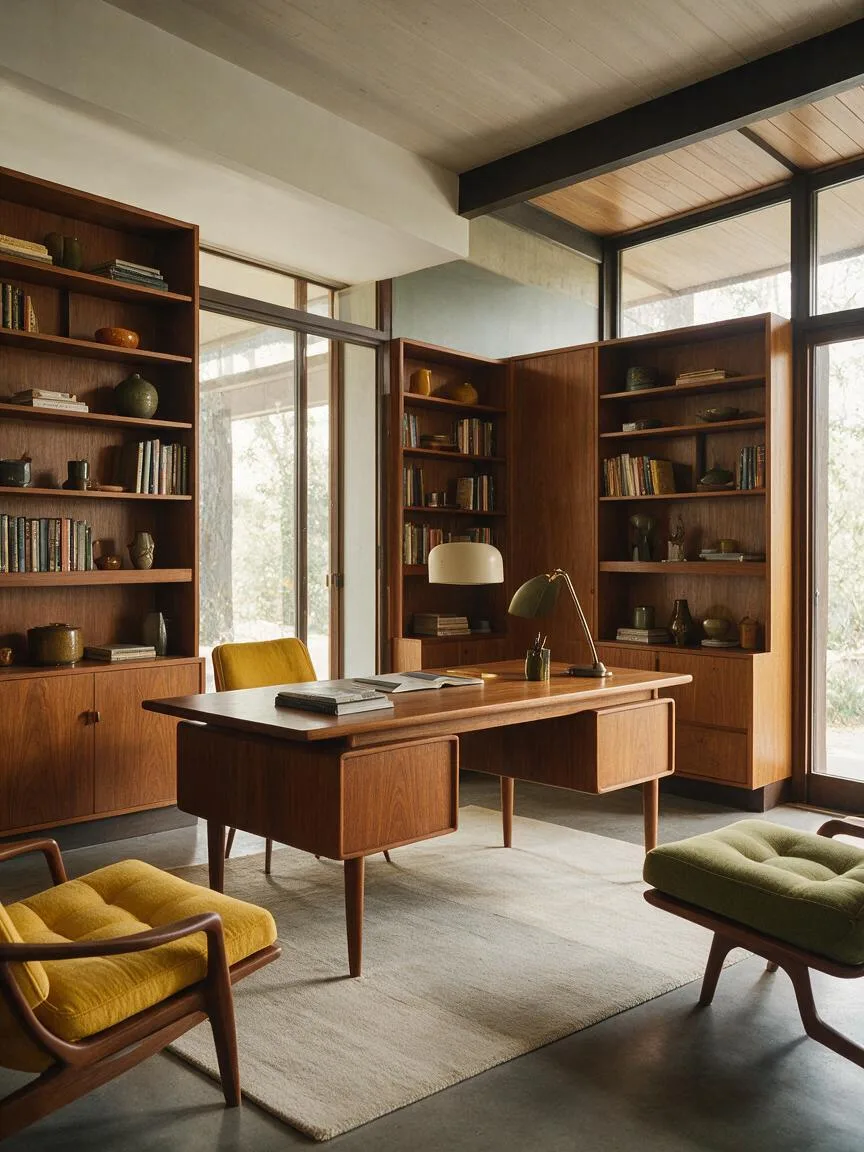
Prompt snippets
A mid-century modern living room interior, organic curves, teak wood furniture, mustard yellow and olive green accents, large windows with natural sunlight, clean lines, architectural photography, 8k, highly detailedA slow panning shot of a mid-century modern architectural space, featuring floor-to-ceiling glass windows, exposed wooden beams, and minimalist furniture with organic curves, warm golden hour lighting casting soft shadowsAn interior design scene in mid-century modern style, featuring clean-lined teak wood furniture and an organic-curve armchair. The background includes large glass windows letting in warm natural light. The color palette focuses on mustard yellow and olive green, with cinematic lighting and high image quality.
What it is
Mid-Century Modern (MCM) is a global design and aesthetic movement that flourished from the 1940s to the 1960s. It rejected complex traditional ornamentation in favor of “form follows function,” seamlessly blending minimalist geometric lines with natural organic forms. It is widely applied in architecture, interior design, and graphic design.
Visual and emotional effect
Visually, the MCM style is highly recognizable: low-profile furniture with fluid lines, exposed wood grains, expansive negative space, and highly saturated retro accent colors (such as mustard yellow, peacock blue, and olive green). Emotionally, it conveys a restrained, elegant, yet warm retro atmosphere. It balances the rationality of modernism with a strong sense of humanism and domestic comfort.
When to use it
Ideal for scenes requiring a retro, premium, artistic, or professional atmosphere. Examples include interior design renderings, retro poster design, indie game environment art, visual branding for lifestyle brands, and commercial campaigns that need to convey a “fusion of classic and modern.”
Prompt tips
Do not just write “Mid-Century Modern”; break down its visual elements. Adding material words (teak wood, walnut, brass), form words (organic curves, clean lines), color words (mustard yellow, burnt orange), and era-specific words (1950s, 1960s) will help the AI recreate the style more accurately.
Common mistakes
- Confusing it with minimalism: MCM is not purely minimalist. It allows for rich colors and organic forms, making it more human-centric than strict minimalism.
- Confusing it with Art Deco: Art Deco emphasizes luxurious geometric symmetry and metallic textures, whereas MCM focuses on natural materials, organic curves, and everyday practicality.