Y2K Aesthetic
Y2K Aesthetic Millennial Style 2000s Retro Style 2000s Retro Futurism
Image StylesA popular visual style originating from the late 1990s to early 2000s, blending retro futurism, early technological optimism, and highly saturated colors and materials.
Also known as: Millennial Style · 2000s Retro Style · 2000s Retro Futurism
- Midjourney
- Kling
- Sora
Prompt snippets
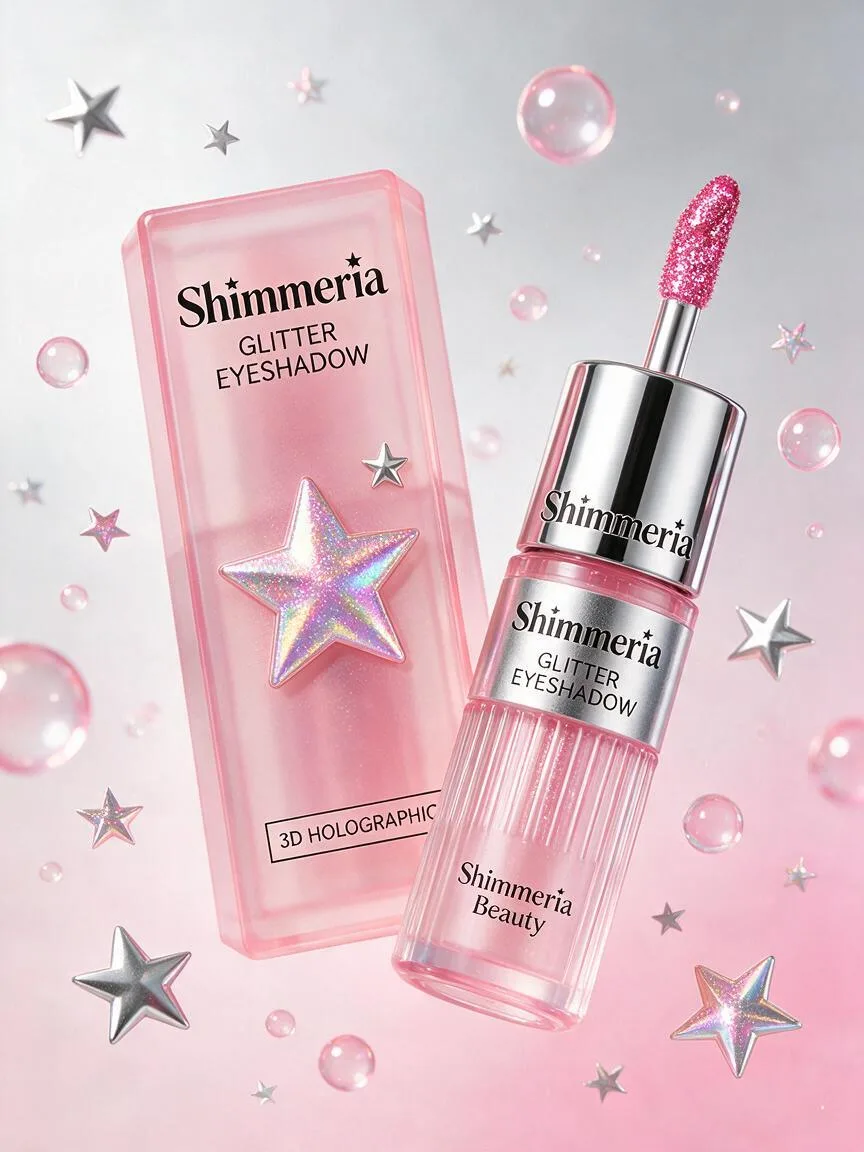
A 3D render of a Y2K aesthetic cosmetic product, translucent pink acrylic and chrome metal textures, early 2000s CGI style, high saturation, floating metallic stars and bubbles, studio lighting, bright and cheerful, --ar 3:4 --v 6.0Y2K aesthetic, a model wearing a silver reflective jacket and pink low-rise jeans, background of early 3D rendered transparent bubbles and metallic butterflies, high saturation, flash photography, millennium fashion editorial vibe, vibrant and energetic.A first-person POV walking through a Y2K futuristic mall from the year 2000, translucent pink escalators, floating chrome bubbles, early 3D rendered kiosks, high saturation, bright studio lighting, cheerful and optimistic atmosphere, camera slowly panning.
What it is
The Y2K (Year 2000) aesthetic originated in the late 1990s to early 2000s as an optimistic vision of the new millennium’s technological boom. It is not a true retro style, but rather a “vision of the future from the past,” centered on the combination of early digital technology (such as early 3D rendering, USB flash drives, and flip phones) and consumerist symbols.
Visual and emotional effect
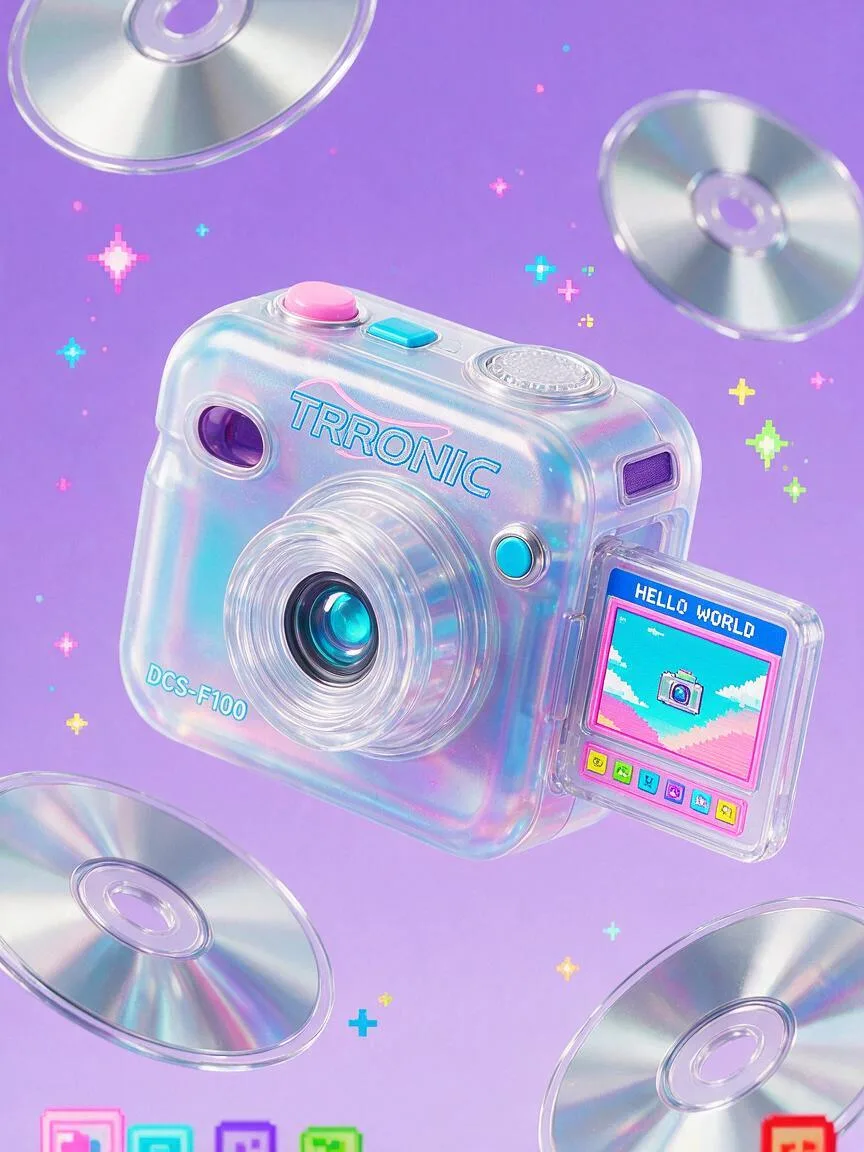
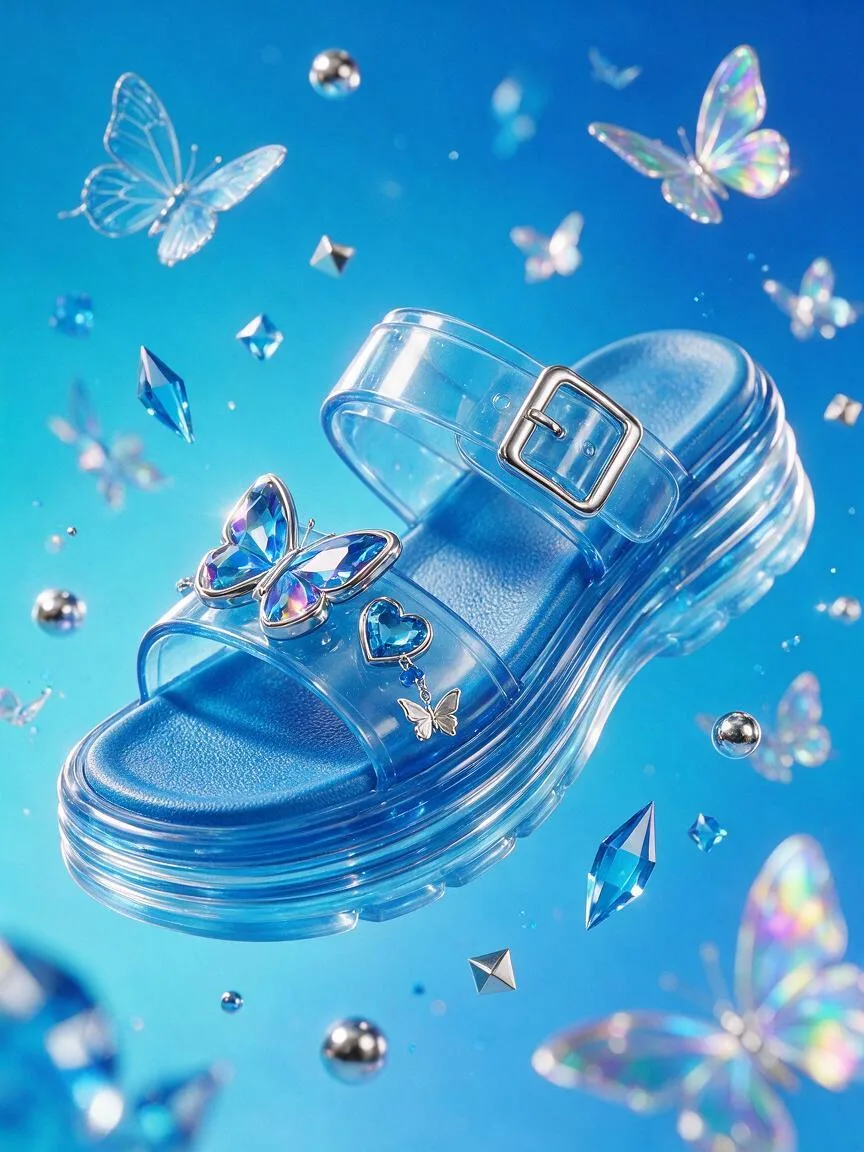
Visually, it emphasizes High Saturation colors (hot pink, neon green, chrome silver), transparent or inflatable materials (acrylic, jelly, metallic sheen), and the rough 3D textures of early computer-generated imagery. Common motifs include butterflies, stars, bubbles, CD reflections, and pixel elements. Emotionally, it conveys a techno-utopian optimism, playfulness, vitality, and a slight sense of psychedelia.
When to use it
Suitable for projects requiring a sense of youthful energy, retro trends, early internet nostalgia, pop music album covers, fashion brand promotions, or commercial designs with a playful or Pop Art twist.
Prompt tips
Material descriptions are the core of this style. Instead of just writing “Y2K”, specify materials such as “translucent acrylic”, “chrome metal”, and “inflatable texture”. Incorporating early rendering keywords like “early 2000s 3D render” or “C4D style” will significantly improve the visual quality.
Common mistakes
It is often confused with Vaporwave or Cyberpunk. The Y2K Aesthetic is brighter, more consumer-driven, and more optimistic. It lacks the dark, dystopian feel of Cyberpunk and differs from the glitch art and nostalgic melancholy of Vaporwave.