Minimalism
Minimalism Minimalist Style Minimalist Minimal Design Negative Space Style
Image StylesA style that retains only the most essential elements, using expansive negative space, a limited color palette, and precise placement to create visual tension. It originated from 1960s minimalist art and modernist design philosophy.
Also known as: Minimalist Style · Minimalist · Minimal Design · Negative Space Style
- Midjourney
- Stable Diffusion
- Flux
- Dreamina
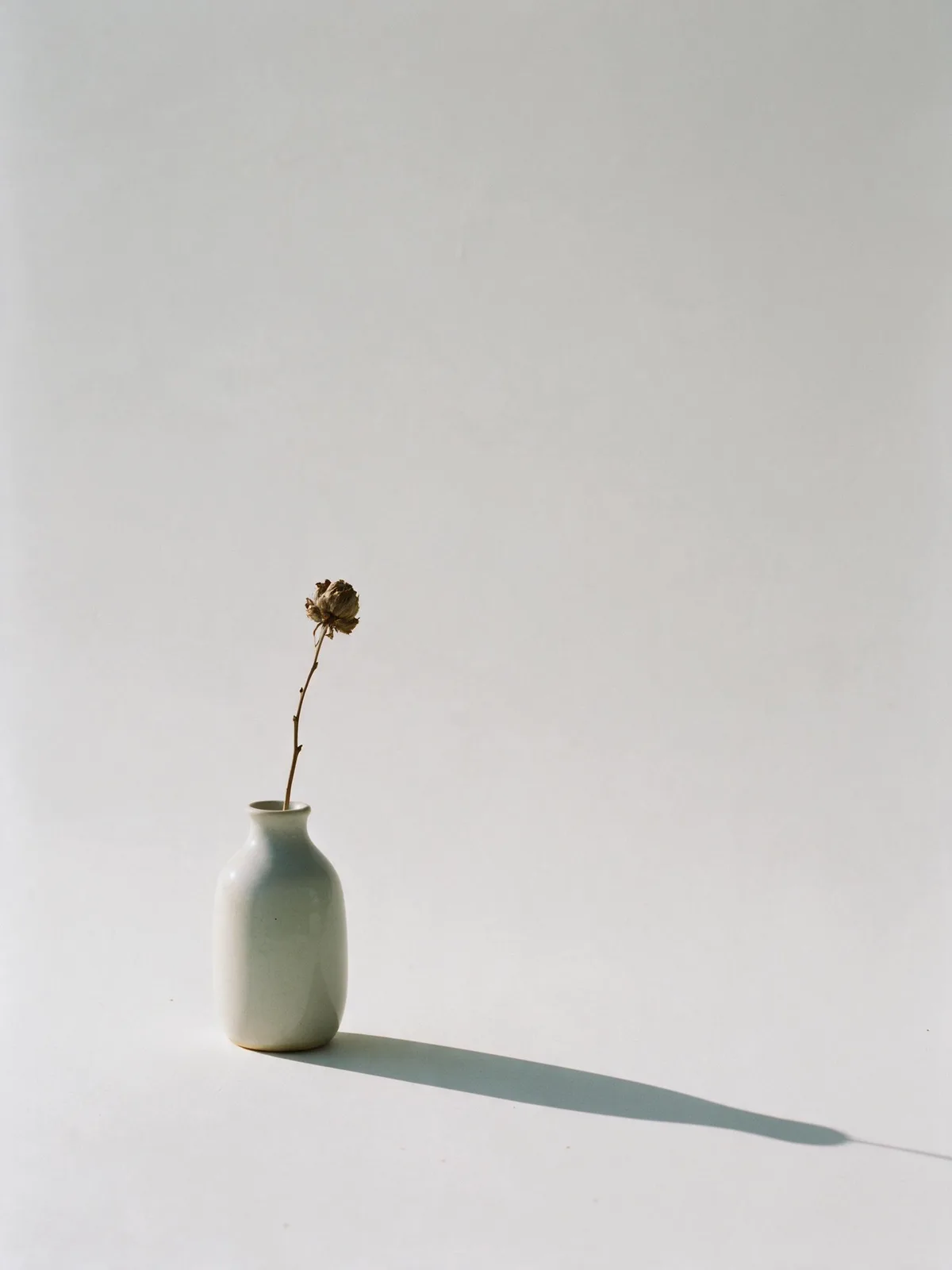
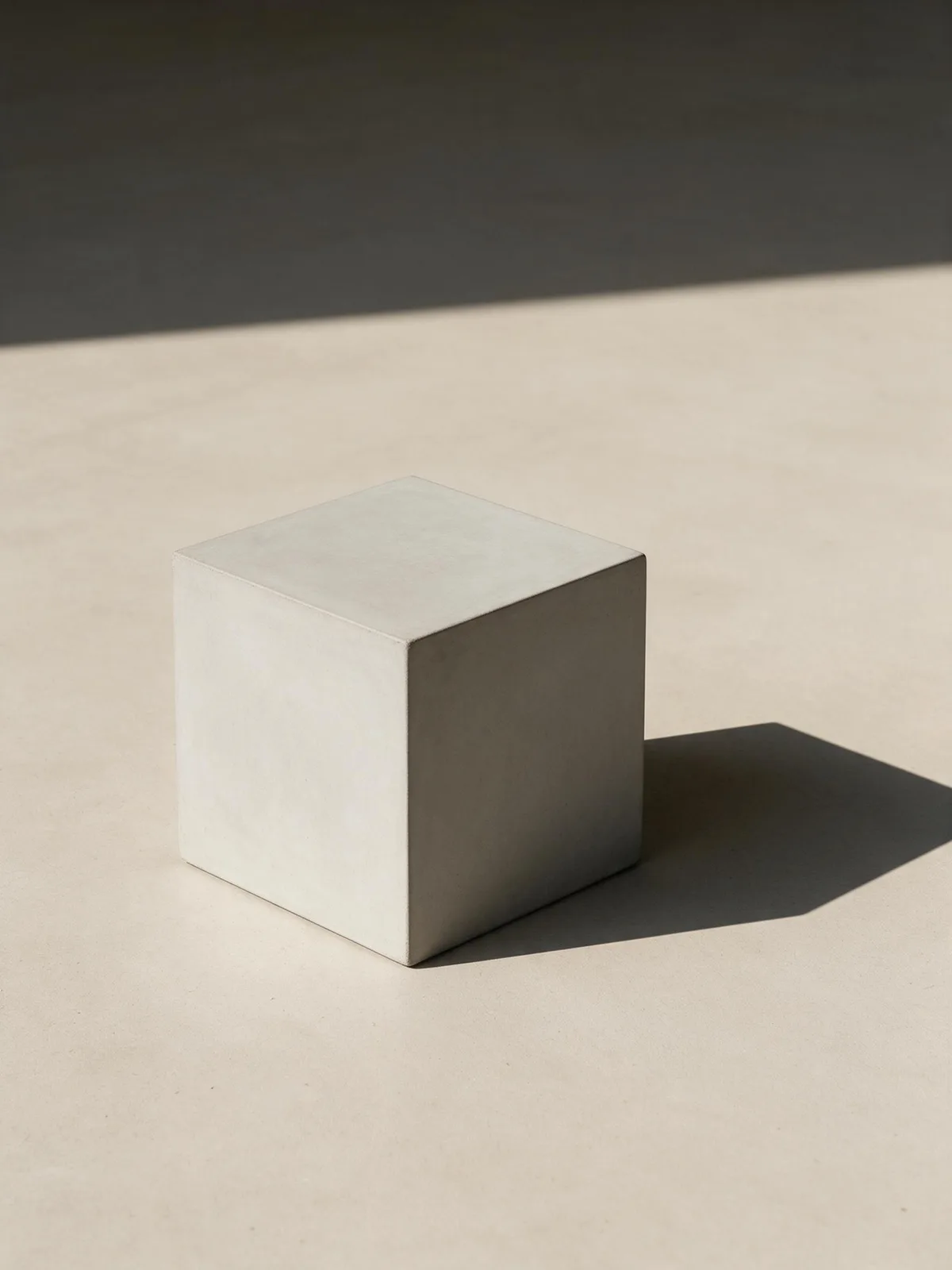
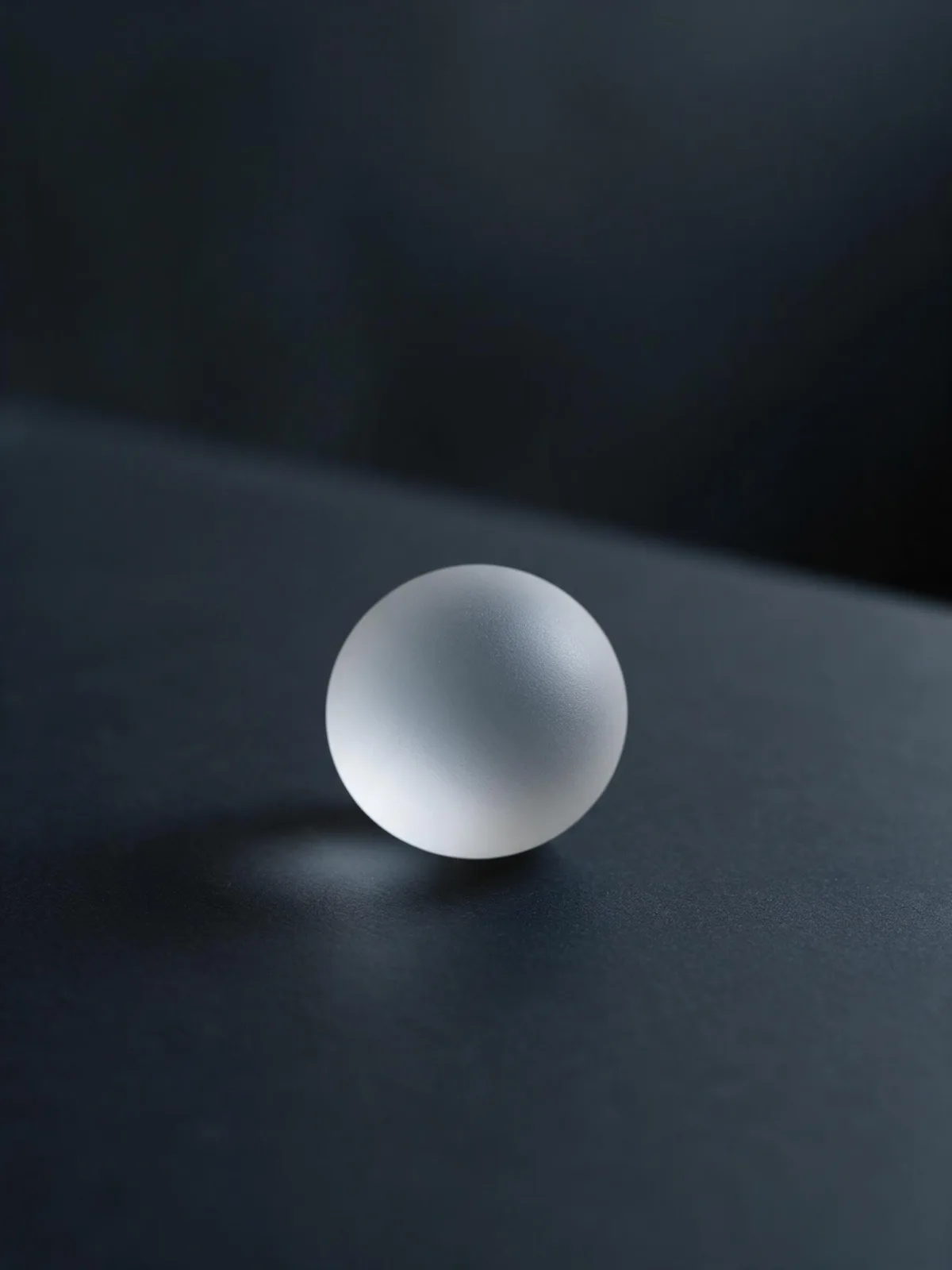
Prompt snippets
minimalist still life photograph, a single pale ceramic vase holding one dried stem, vast empty off-white wall, soft even daylight, one long quiet shadow, deep negative space, muted palette --ar 4:3 --style raw --stylize 50minimalism, single object, large empty space, pale ceramic vase, muted palette, soft even light, clean background, calm compositionA minimalist photograph: one pale ceramic vase holding a single dried stem, standing against a vast empty off-white wall. Soft even daylight, one long quiet shadow, and nothing else in the frame.Minimalist still life photograph, an off-white ceramic vase holding a single dried stem, vast empty wall space, soft even natural light, one quiet long shadow, abundant negative space.
What it is
Minimalism emerged as an art movement in the 1960s in the United States, with artists like Donald Judd, Dan Flavin, and Agnes Martin creating work using the simplest forms and materials. In design, it is often associated with architect Mies van der Rohe’s maxim “Less is more” and industrial designer Dieter Rams’s principle “Less, but better.” In the context of image generation, minimalism means: few elements, few colors, abundant negative space, and a deliberate placement for every item in the frame.
Visual and emotional effect
- Quiet and restrained: The image has no visual noise, directing the viewer’s attention entirely to the single subject.
- Premium feel: Expansive negative space creates a sense of calm and sophistication, frequently used in luxury and tech branding.
- Tension through placement: In the sample, a single line and a red dot are placed off-center, instantly giving the composition weight and direction.
When to use it
- Brand posters, Key Visuals, wallpapers
- Cover images that require overlaid title text (the negative space serves as layout room)
- Content aiming to convey calm, professional, or focused moods
Prompt tips
- Basic combination:
minimalist composition, negative space, single subject, clean background. - Specify the subject and its placement:
a small red circle, slightly right of centeris much more controllable than just writingminimalist. - Use
muted paletteor specify two or three colors to restrict the color scheme. - In Midjourney, add
--style rawand lower--stylize, or use--noto exclude unwanted elements (e.g.,--no text, pattern).
Common mistakes
- Confusing “minimal” with “sparse” or “crude”: While elements are few, proportions, spacing, and placement require careful refinement.
- Models tend to fill the frame and will inevitably add small objects; these must be explicitly excluded in negative prompts.
The sample image above is an approximate SVG illustration; for actual generation results, refer to the specific model you are using.