Gongbi
Gongbi Meticulous Brushwork Fine Brushwork
Image StylesA traditional Chinese painting technique characterized by fine line drawing and layered color shading, focusing on realism and detail.
Also known as: Meticulous Brushwork · Fine Brushwork
- Midjourney
- Stable Diffusion
- Dreamina
- DALL-E 3
- Kling
- Runway
Prompt snippets
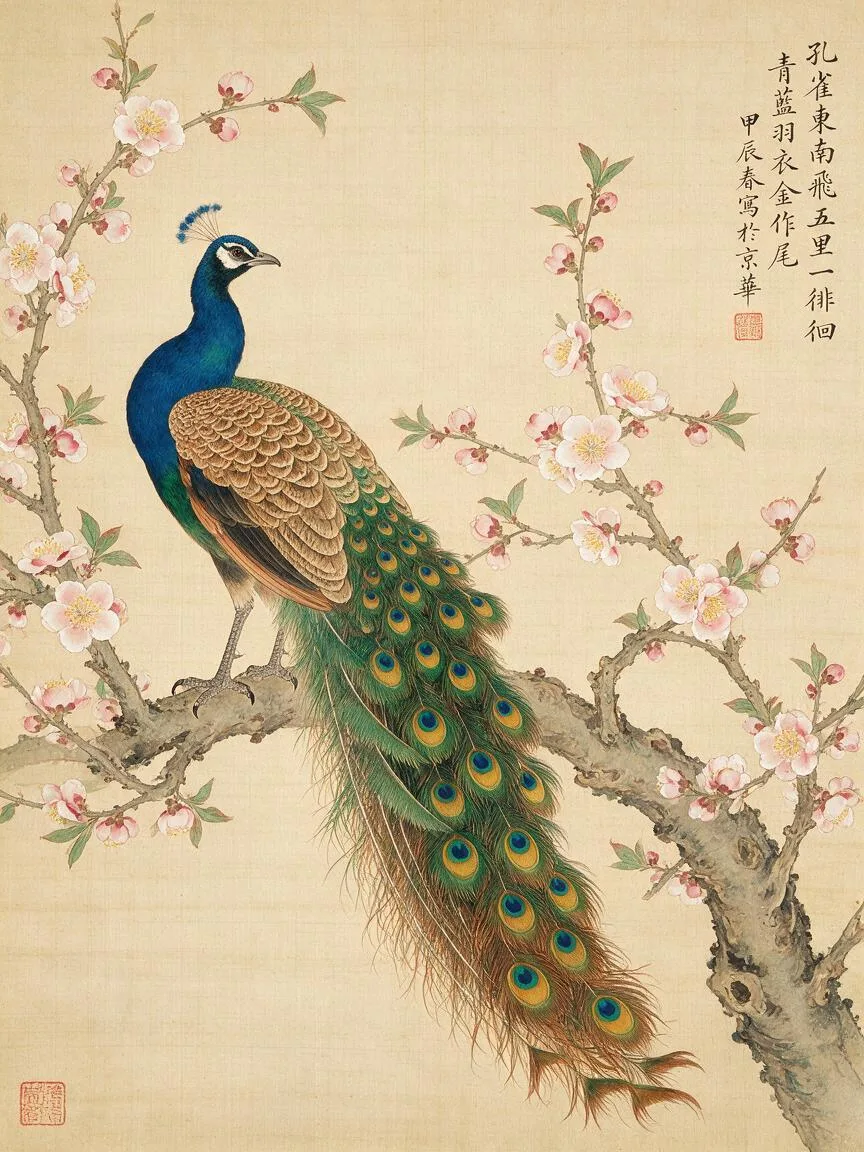
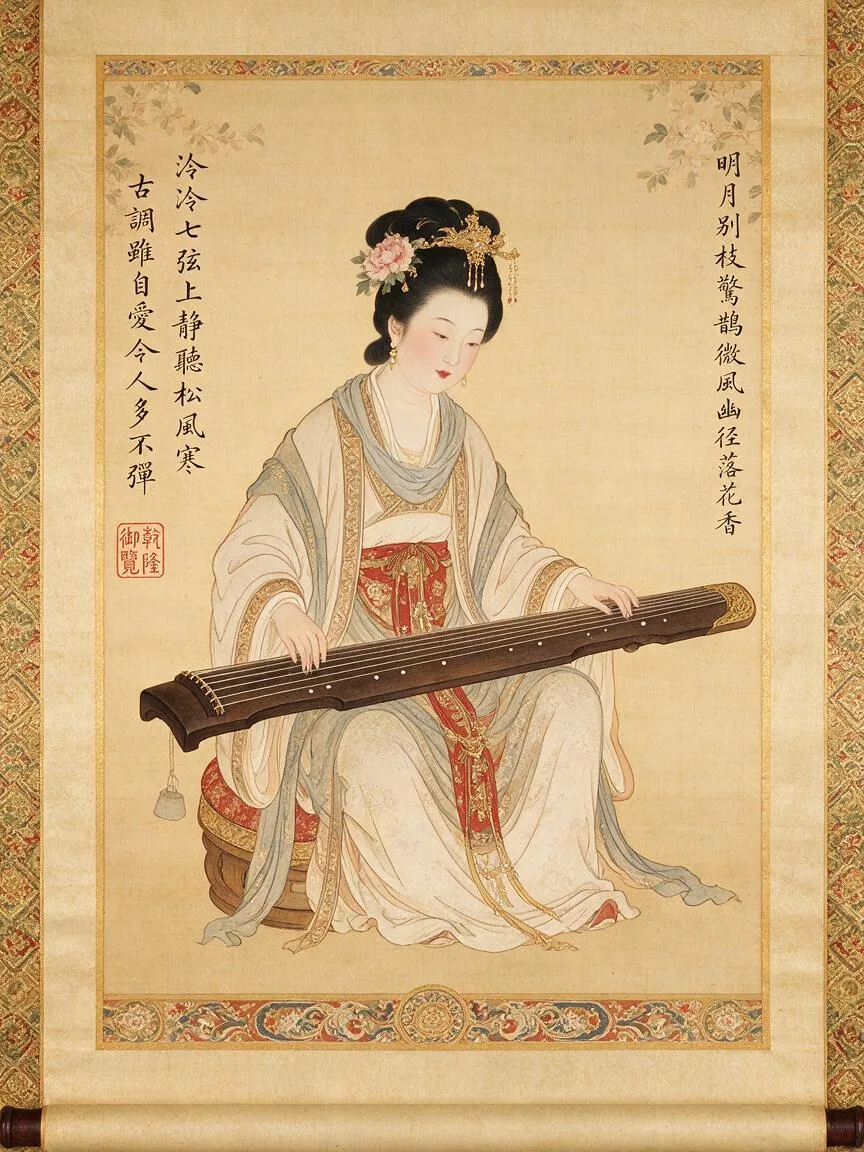
A traditional Chinese Gongbi painting of a peacock perched on a plum blossom branch, meticulous brushwork, fine and delicate lines, layered mineral pigments, smooth color transitions, crisp edges, no ink wash, painted on silk scroll, elegant and classic oriental aesthetic, high detail --ar 3:4 --v 6.0A highly detailed Chinese Gongbi style illustration of a traditional lady in Hanfu playing a Guqin. Meticulous fine line art, delicate brushwork, subtle and elegant colors, layered coloring technique, no ink splashing, set against a minimalist blank background, ancient Chinese aesthetic.A exquisite traditional Chinese Gongbi painting depicting a lifelike kingfisher perched on a lotus branch. Featuring delicate line drawing, multi-layered mineral pigment shading, elegant colors, no ink wash effects, silk scroll material, classical Eastern aesthetic, extreme detail.A traditional Chinese Gongbi painting of a koi fish swimming in a pond, delicate lines and layered colors, subtle water ripples, slow and elegant movement, classical oriental aesthetic, no ink wash effects.
What it is
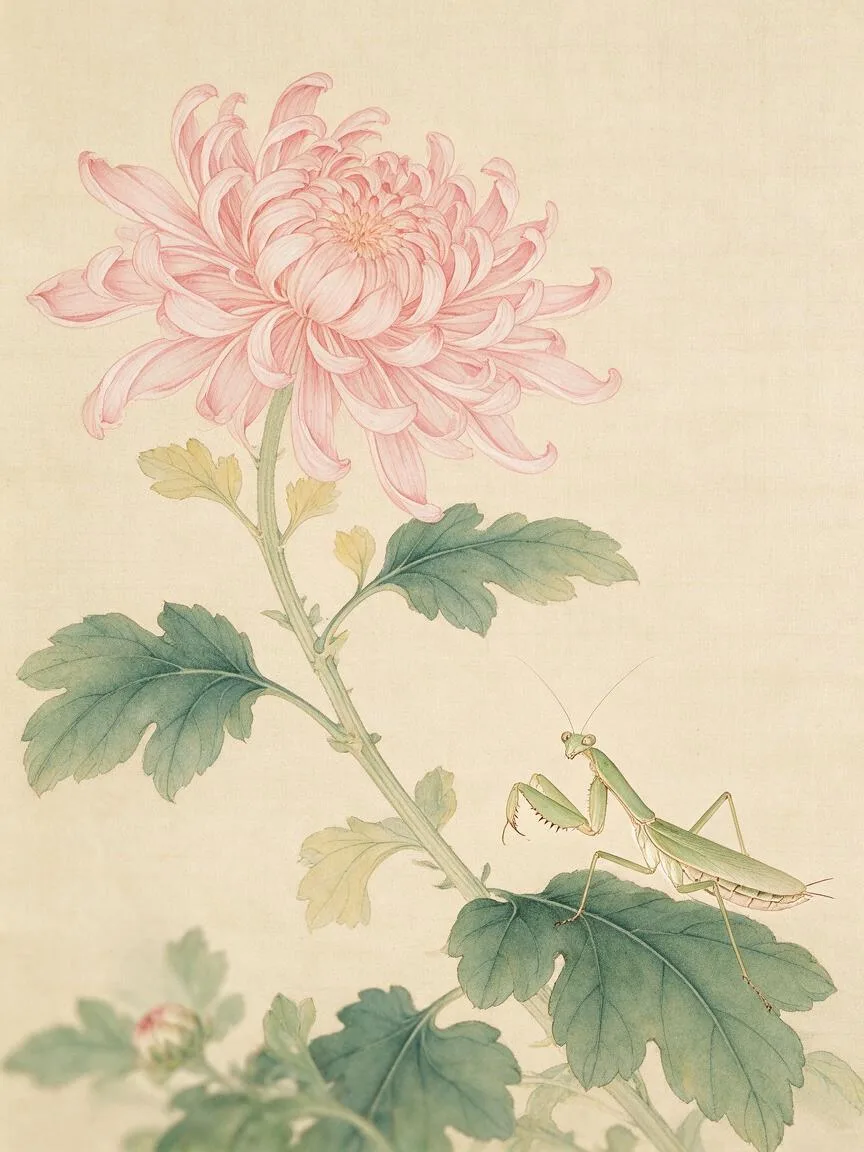
Gongbi is a major tradition in classical Chinese painting that contrasts with freehand styles. It emphasizes capturing the finest details by using extremely delicate and precise lines to outline forms, followed by multiple layers of thin color washes and shading. The goal is to achieve both formal accuracy and spiritual resonance, along with elegant coloring.
Visual and emotional effect
Visually, it presents extremely high detail resolution, smooth color gradients, and crisp edge lines. Emotionally, it conveys a sense of classical Eastern elegance, tranquility, richness, and restraint, often used to express prosperity, refined taste, or solemnity.
When to use it
It is ideal for creating traditional bird-and-flower, insect, portrait, and classical lady subjects, or for scenes requiring the texture of traditional materials like silk and ceramics. It is also frequently used in Guochao design, book covers, and cultural product packaging to add cultural depth and refinement to the visual.
Prompt tips
The core is to control the AI’s brushstrokes and rendering methods. You must use fine and delicate lines and meticulous brushwork to lock in the style; use layered mineral pigments and smooth color transitions without ink wash to prevent the AI from misinterpreting it as Ink Wash Painting. Adding on silk scroll or on Xuan paper enhances material authenticity.
Common mistakes
The biggest mistake is blending in the wash and dry brush effects of Ink Wash Painting. When processing Eastern styles, AI tends to automatically add ink splash effects. You must explicitly use no ink wash, crisp edges, and flat shading in the prompt to suppress these ink characteristics. Additionally, avoid using realistic or photorealistic to preserve the flat, decorative aesthetic of traditional painting.