Pop Art
Pop Art Pop Art Style Pop Style
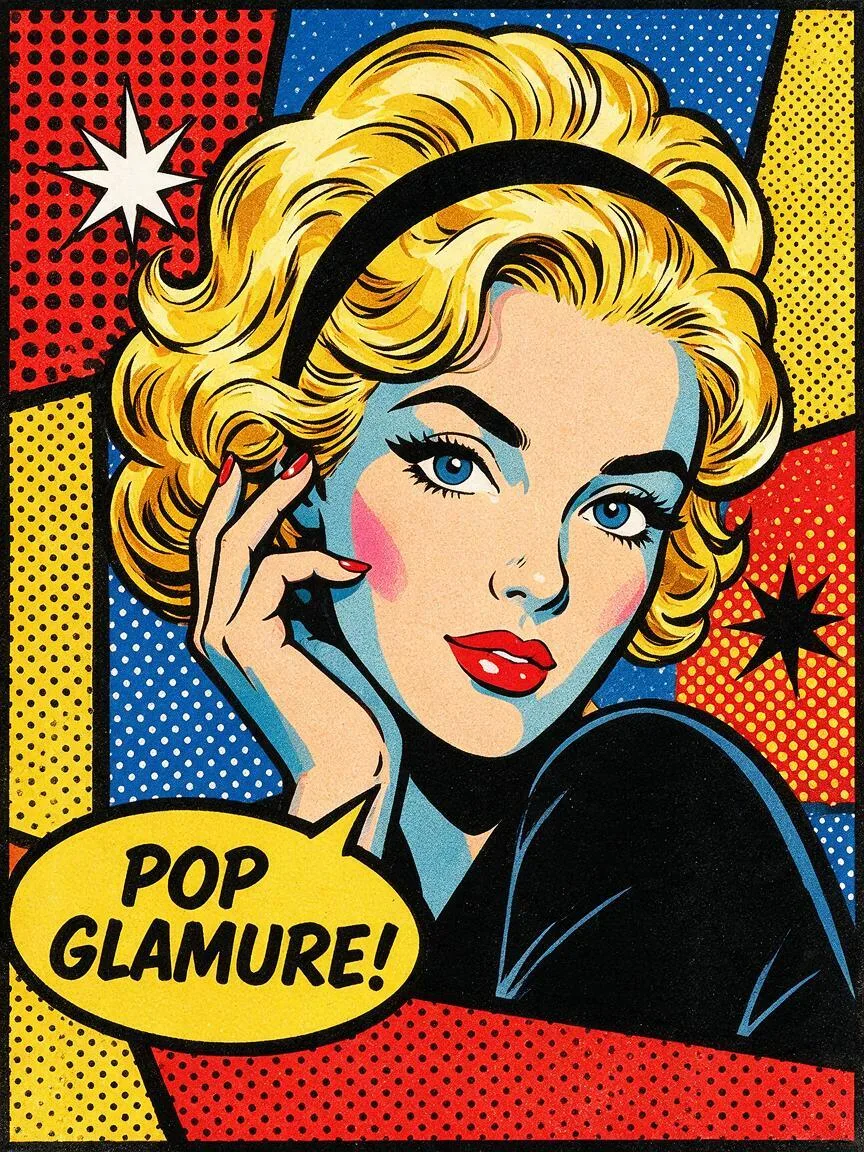
Image StylesOriginating in the mid-20th century, this avant-garde art style draws on mass culture, commercial advertising, and comics, characterized by high saturation colors, bold black outlines, and halftone dot patterns.
Also known as: Pop Art Style · Pop Style
- Midjourney
- Stable Diffusion
- Dreamina
- Kling
- Runway
Prompt snippets
Pop art style portrait of a young woman, bold black outlines, Ben-Day dots background, high saturation primary colors, Andy Warhol and Roy Lichtenstein style, comic book aesthetic, flat lighting, screen print texture --ar 3:4 --v 6.0Pop art style, a boy drinking cola, bold black outlines, background of dense colorful halftone dots, high saturation contrasting red, yellow, and blue colors, Andy Warhol silkscreen texture, flat composition, retro comic styleA pop art animation of a comic book explosion, bold black outlines, halftone dot pattern, vibrant red and yellow colors, Roy Lichtenstein style, flat 2D vector look, dynamic motion
What it is
Pop Art emerged in the UK in the 1950s and the US in the 1960s as an art movement centered on mass culture, commercial advertising, comics, and everyday consumer goods. It broke the boundaries between high art and popular culture, transforming symbols like celebrity portraits, soup cans, and comic panels into artistic expressions. Key figures include Andy Warhol and Roy Lichtenstein.
Visual and emotional effect
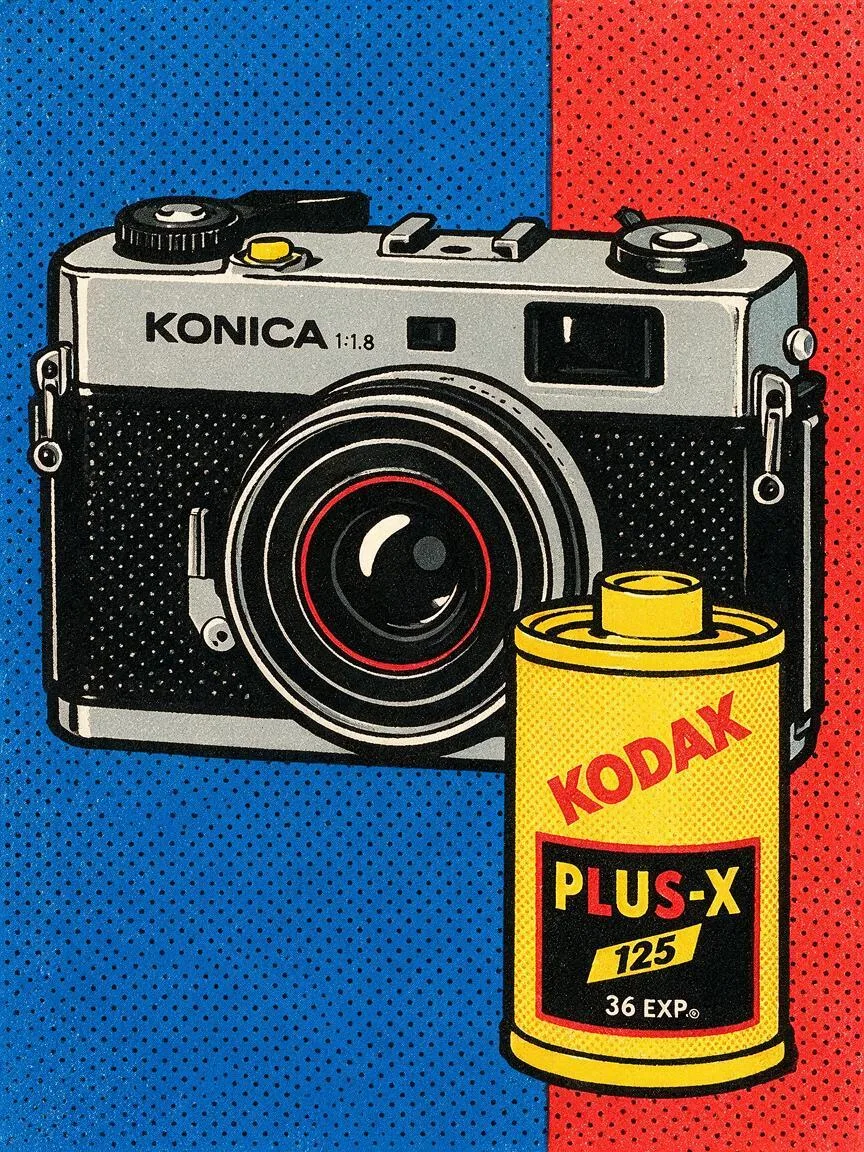
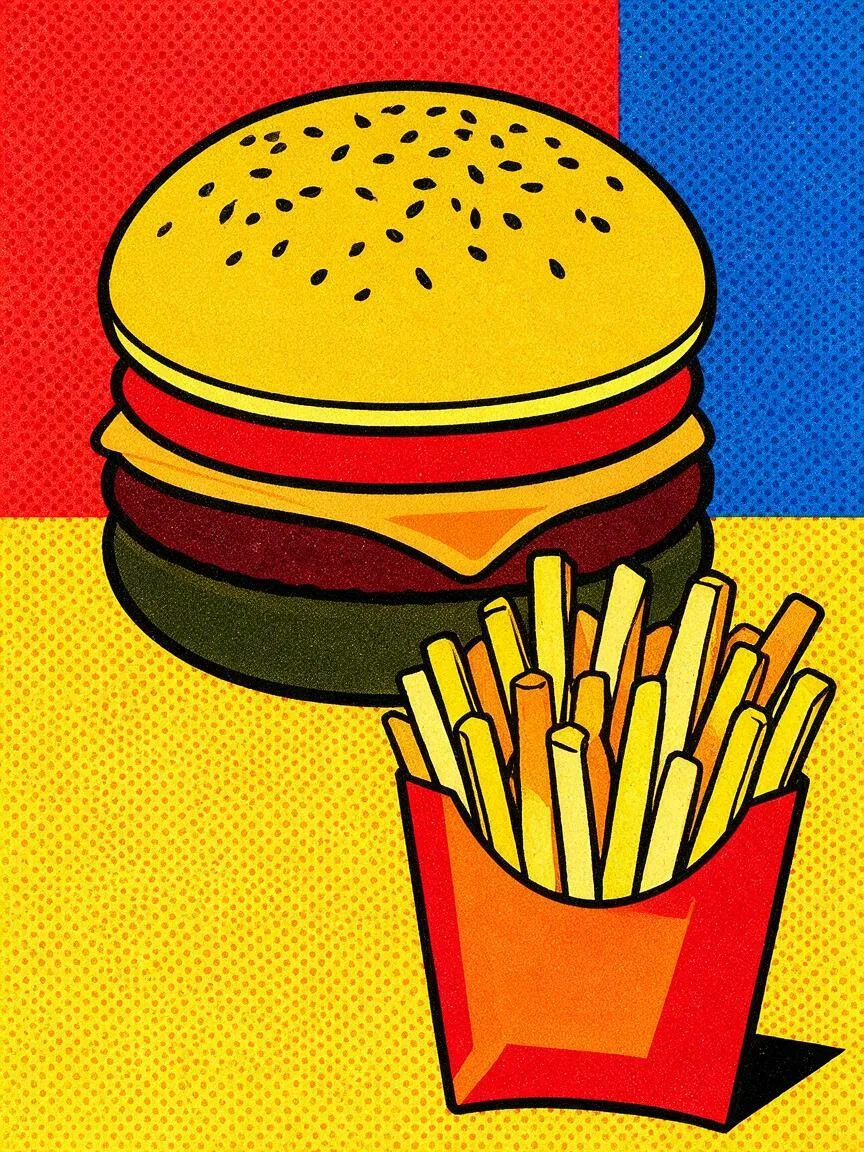
Visually, Pop Art is highly recognizable: large areas of high saturation solid colors (especially red, yellow, and blue), bold black outlines, dense halftone patterns (Ben-Day dots), and the misregistered, gritty textures resulting from silkscreen printing. Compositions often use repetitive arrangements or comic panel layouts. Emotionally, it conveys a strong visual impact, carrying the playful, ironic, consumerist, and youthful vibrancy of pop culture.
When to use it
Suitable for scenarios requiring strong visual hooks and youthful expression. Examples include: streetwear brand posters, music album covers, retro event visuals, comic-style storyboard illustrations, and creative projects that need to convey humor, rebellion, or consumerist metaphors.
Prompt tips
In your prompts, alongside Pop art, be sure to include specific technique keywords to anchor the style: use Ben-Day dots or halftone pattern to generate comic dots; use bold black outlines to strengthen the contours; specify screen print texture or misregistered colors to simulate the misalignment of silkscreen printing; referencing Andy Warhol style or Roy Lichtenstein style directly invokes the model’s high-priority weights for these artists.
Common mistakes
The most common mistake is confusing it with Memphis Design. Pop Art focuses on mass consumption symbols, comic aesthetics, and silkscreen textures, whereas Memphis Design focuses on geometric shapes, squiggly lines, and arbitrary color collages. Additionally, if you only specify “high saturation” without adding “halftone dots” and “bold black outlines”, the AI will easily generate ordinary flat illustrations, losing the soul of Pop Art.