Black and White Documentary
Black and White Documentary Documentary Photography Black and White Photojournalism
Image StylesA classic photography style that strips away color distractions, using high-contrast lighting, rich grayscale, and film grain to emphasize authenticity and humanistic depth.
Also known as: Documentary Photography · Black and White Photojournalism
- Midjourney
- Sora
- Kling
Prompt snippets
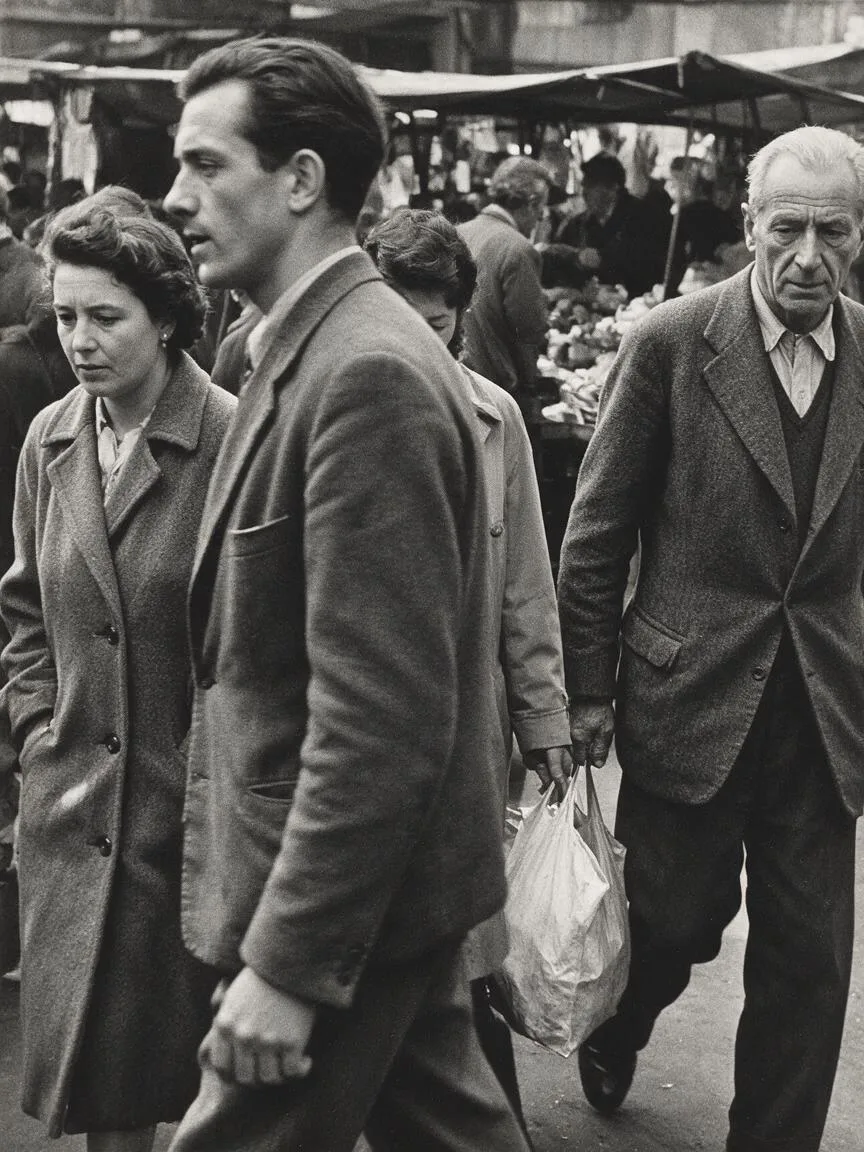
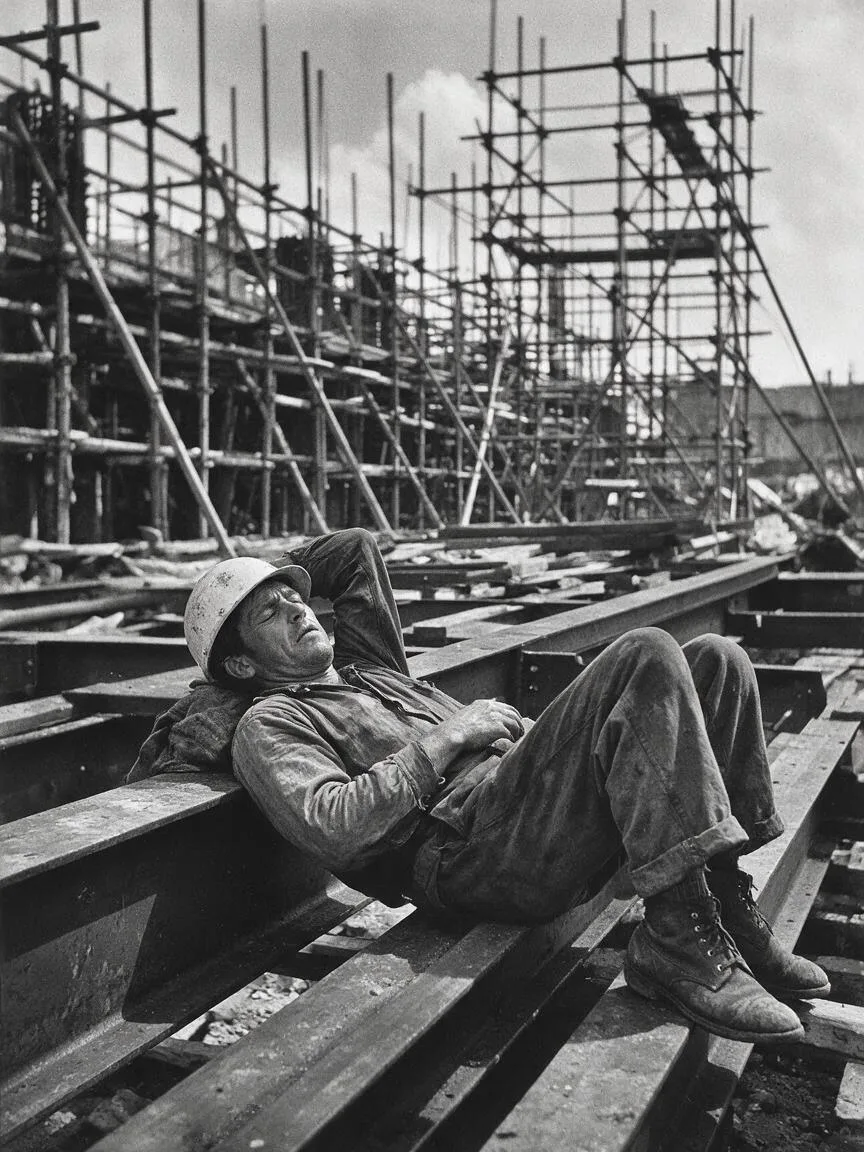
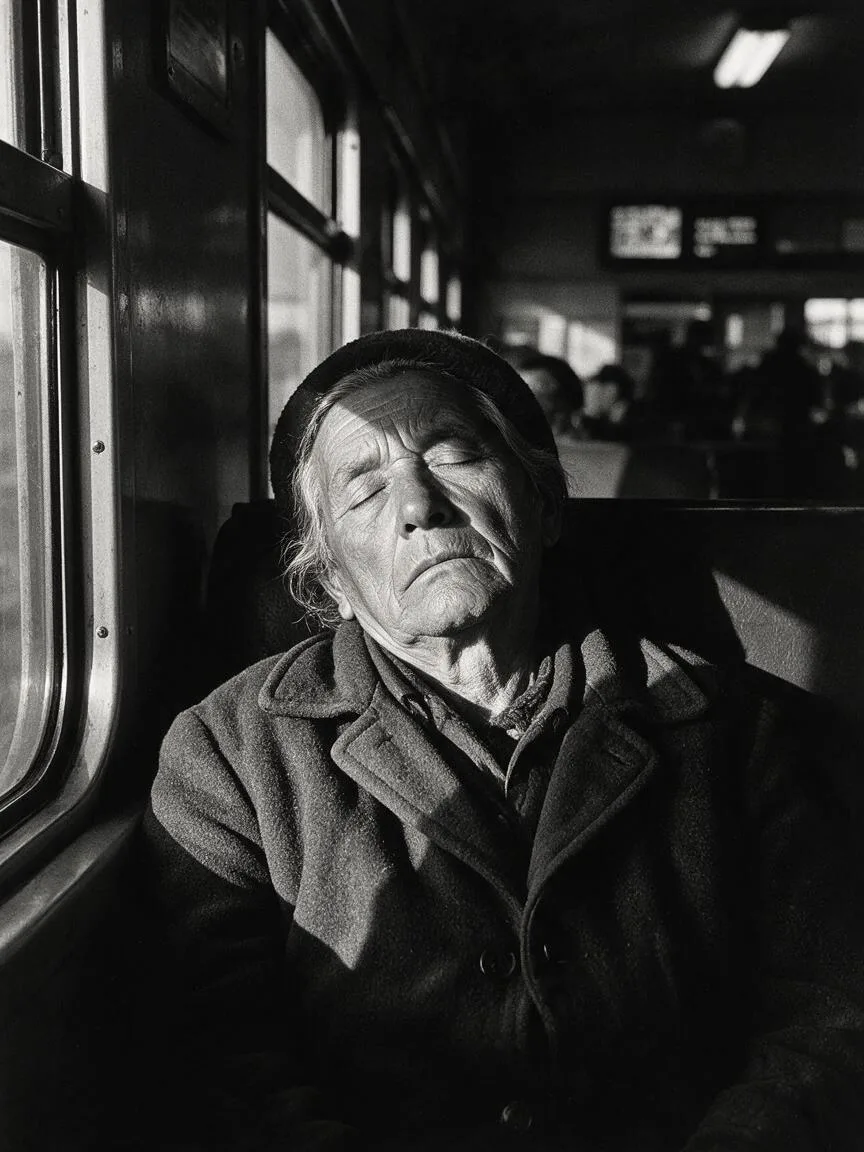
Black and white documentary photography, candid street portrait in a busy market, natural light, shot on Leica M6, Kodak Tri-X 400 film, fine grain, high contrast, rich grayscale, raw, authentic, Henri Cartier-Bresson style, 35mm lens --style raw --v 6.0Black and white documentary footage, handheld camera movement, following a worker in an old industrial factory. High contrast lighting, visible film grain, realistic textures, raw and unpolished look, 35mm lens, 24fps.Black and white documentary photography, candid street snap, vendor in an old vegetable market, natural light, high contrast, rich grayscale details, prominent film grain, raw and authentic texture, shot on Leica camera, 35mm lens, full of humanistic care.
What it is
Black and White Documentary originates from news and documentary photography. By stripping away color, it directs the viewer’s focus to light and shadow, texture, composition, and human emotion. It is more than just a visual treatment; it is a creative philosophy that emphasizes authenticity and objective documentation.
Visual and emotional effect
Visually, it is characterized by high contrast, rich grayscale transitions, and natural film grain. Emotionally, it establishes a raw, objective, and profound tone, imbuing the image with a strong sense of historical weight and humanistic depth.
When to use it
Ideal for human-interest subjects, social documentary, street photography, and moody portraits. It is the primary choice when you want to minimize the distraction of environmental colors and highlight the subject’s structure, lighting relationships, or narrative tension.
Prompt tips
Beyond specifying black and white, be sure to include classic camera and film models (such as Leica M6, Kodak Tri-X 400) to anchor the texture. Referencing master photographers (such as Henri Cartier-Bresson, Sebastião Salgado) effectively elevates the professionalism of the composition and lighting. Additionally, use terms like candid, unposed, and raw to emphasize the authenticity of spontaneous shots and avoid a staged look.
Common mistakes
The biggest misconception is equating black and white documentary style with simply desaturating an image. Direct desaturation results in a flat, lifeless picture. True black and white documentary requires prompting for high contrast and rich tones, combined with film grain to simulate the authentic texture of physical media.