Visual & Image
Composition & Framing
Rule of thirds, leading lines, frames within frames, shot size and depth of field — same subject, different framing, different story.
24 terms
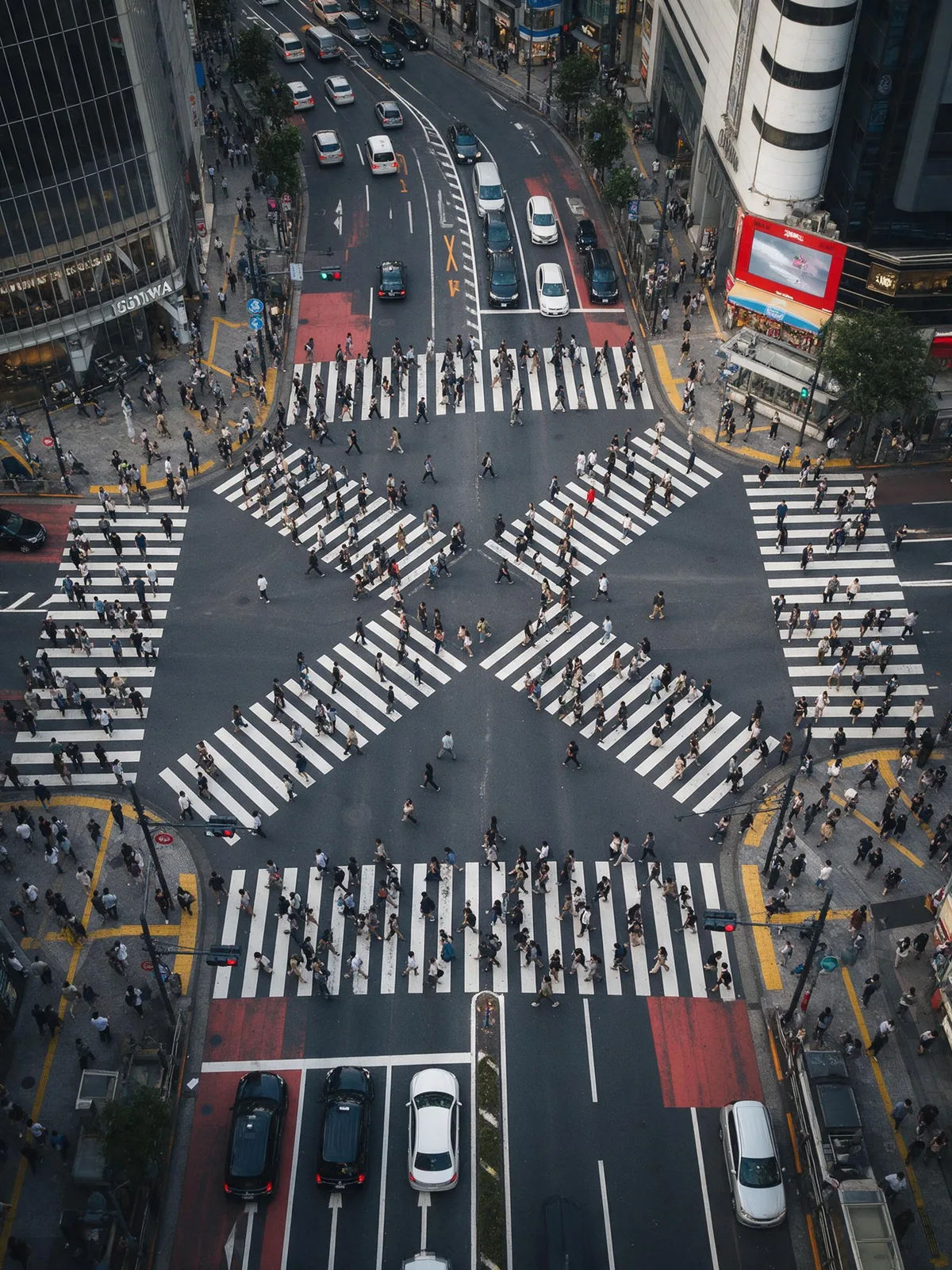
Bird's-Eye View
A framing technique where the camera lens points completely vertically downward (90 degrees), compressing three-dimensional space into two-dimensional geometric shapes.
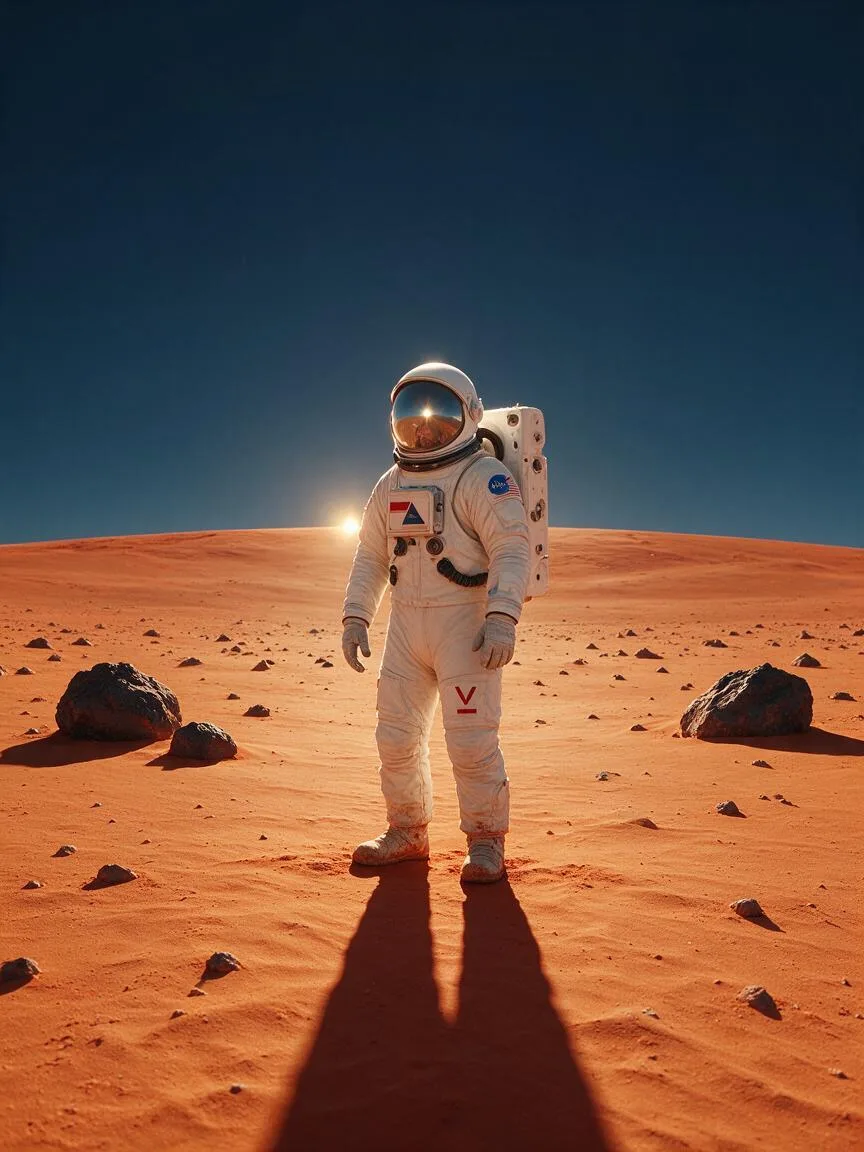
Center Composition
A compositional technique that places the main subject precisely in the geometric center of the frame, utilizing surrounding negative space or symmetrical elements to reinforce the visual focal point.

Close-up
A Close-up is a shot size where a person's head and shoulders or a small object fills the frame, used to clearly present expressions and textures while minimizing environmental context.
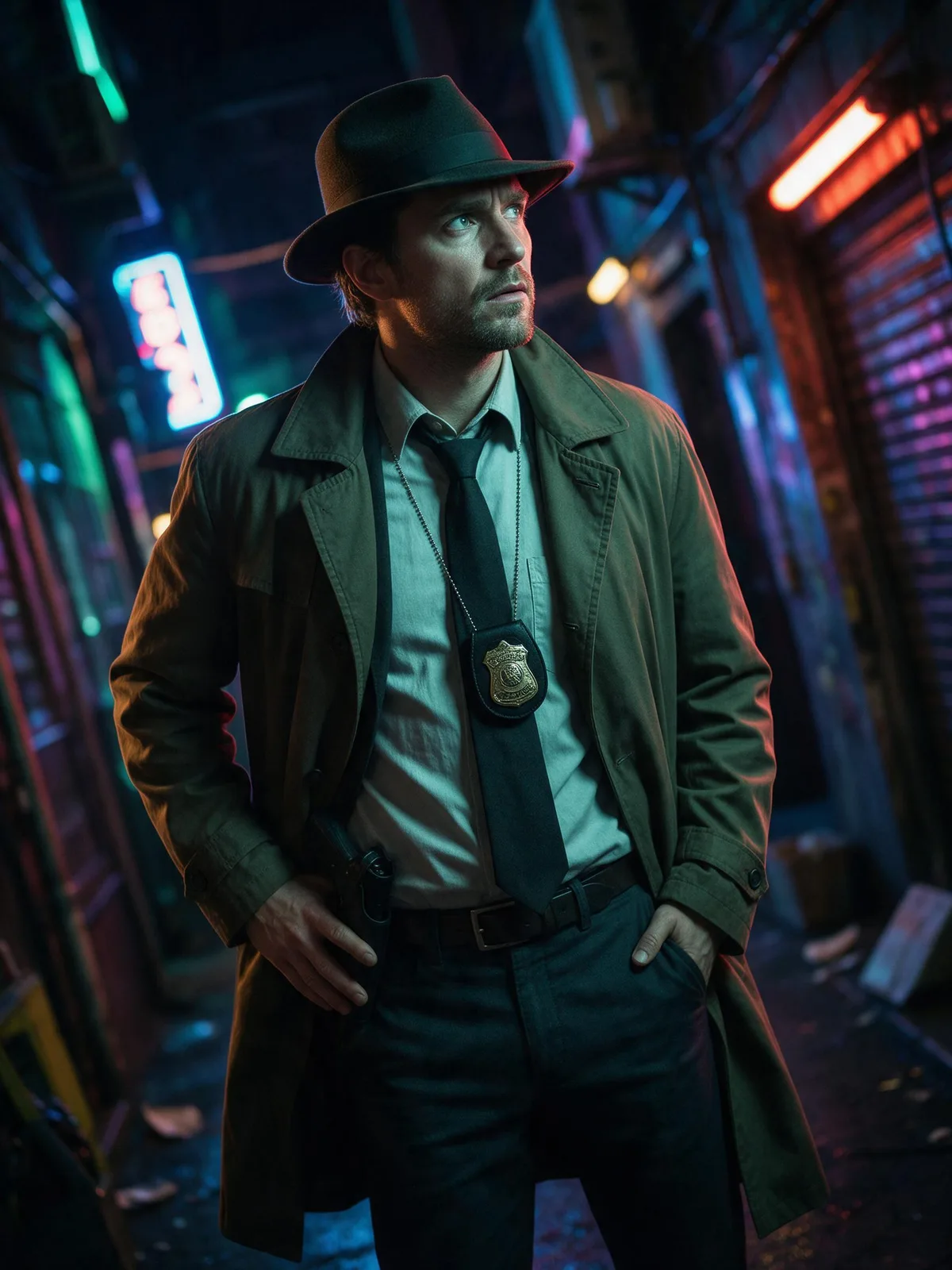
Dutch Angle
A composition technique that breaks the conventional horizontal balance of a frame by rotating the camera along its optical axis to tilt the horizon.

Extreme Close-up
An Extreme Close-up (ECU) is an extreme shot size that frames only a tiny fraction of the subject (such as a single eye or product texture), almost entirely excluding background and environmental context.

Extreme Long Shot
A shot size where the subject is placed in a vast environment and presented at an extremely small scale, primarily used to establish spatial relationships, geographical settings, or to create a grand, epic feel.

Eye-level Shot
The camera lens remains level with the subject's eye line, simulating the objective shooting angle of human eyes naturally observing the world.

First-Person Perspective
Simulates the perspective of looking out through a character's eyes. The camera operator is typically not visible in the frame, used to create a strong sense of immersion and subjective experience.
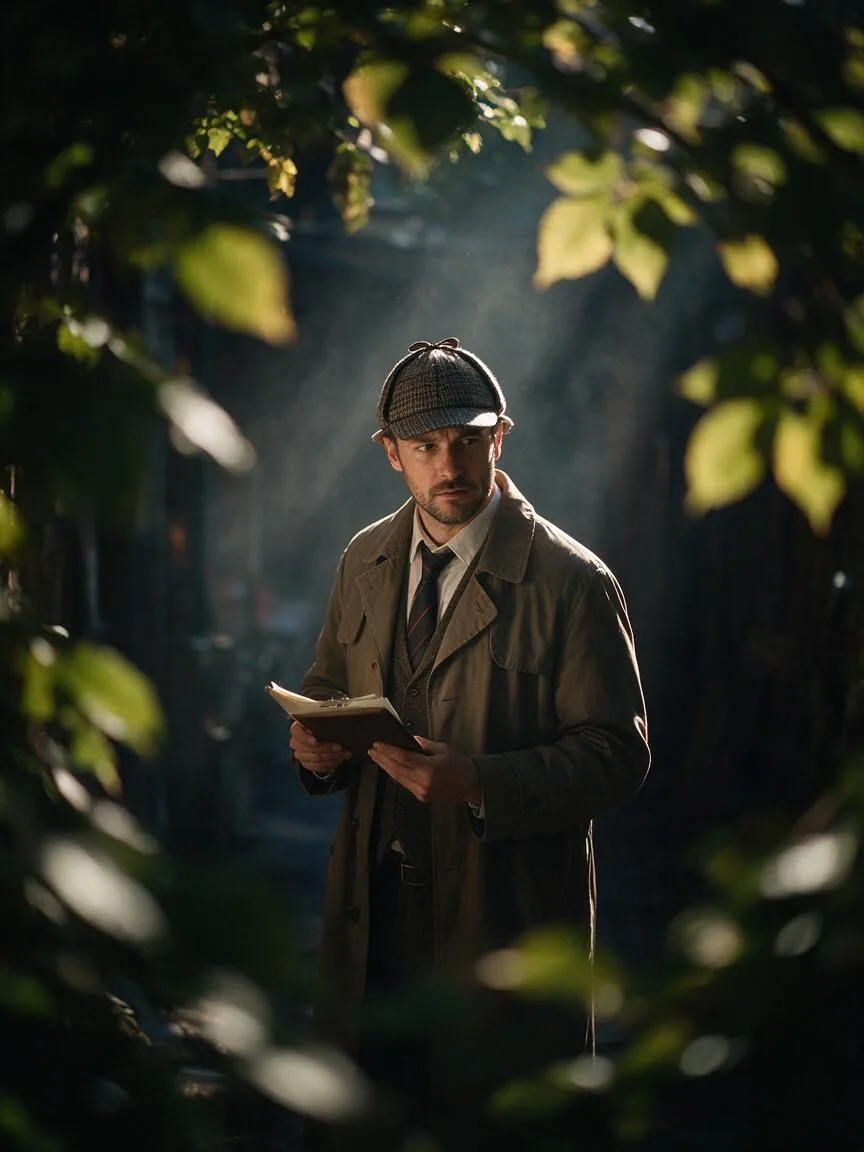
Foreground Obstruction
A compositional technique that places partial obstructions in front of the main subject to enhance depth, create layered dimension, and evoke specific moods.
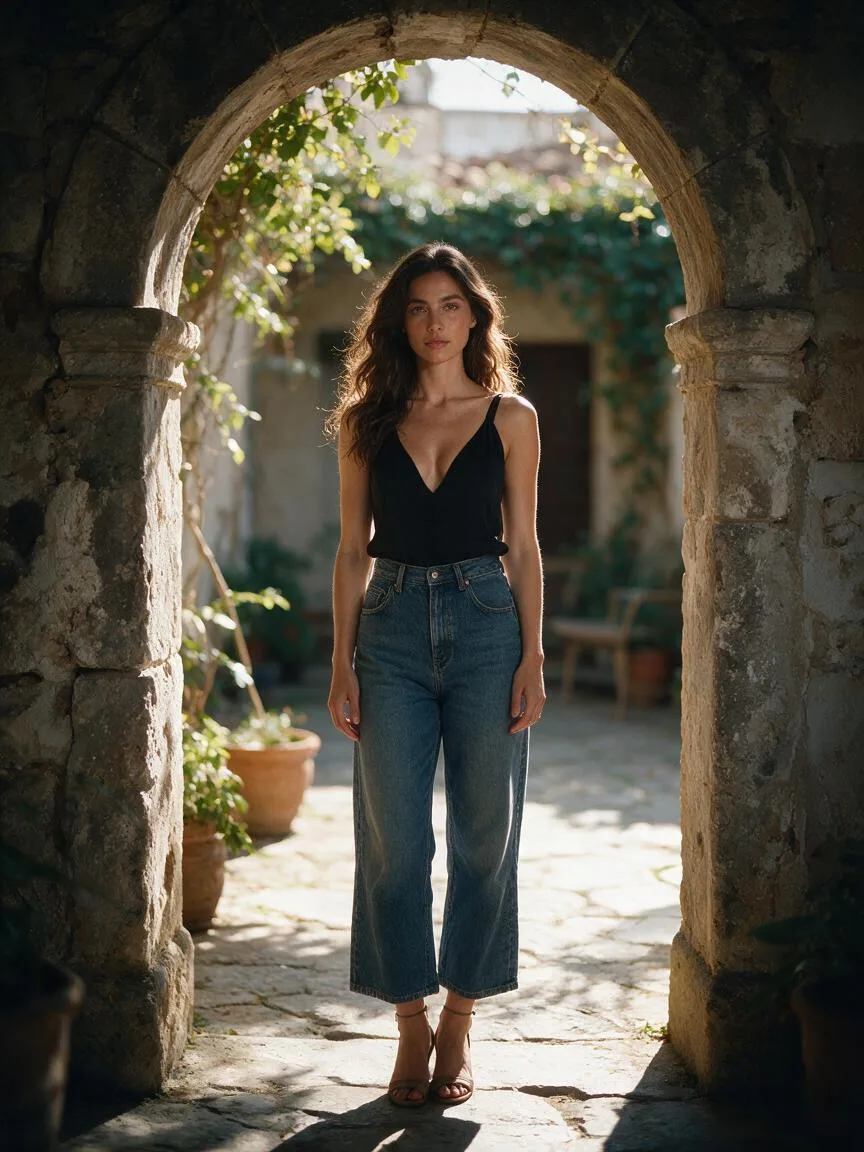
Frame Within a Frame
A composition technique that uses foreground elements (such as doors, windows, branches, or arches) to create a visual frame, highlighting, enclosing, and guiding the viewer's eye to the subject within.

Golden Spiral
A compositional rule based on the golden ratio, using a spiral line to guide the viewer's eye to the visual center (focal point).
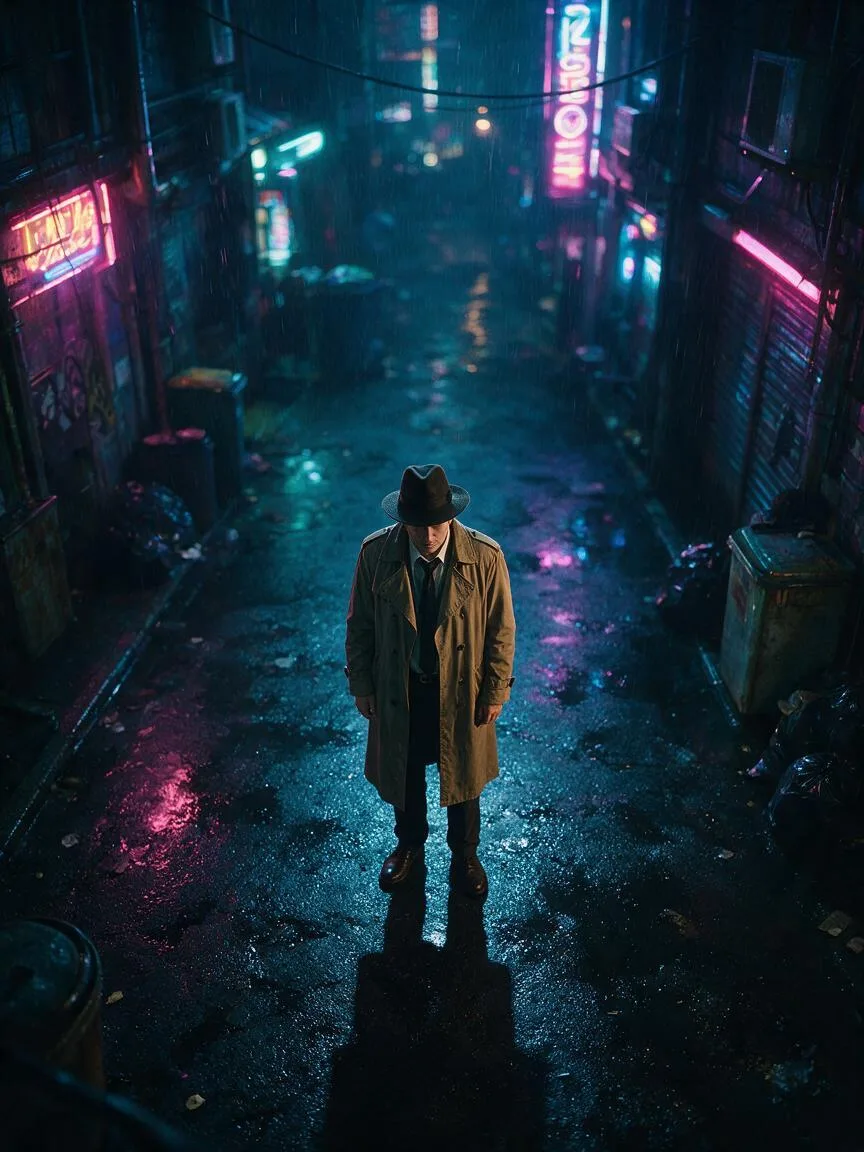
High Angle Shot
The camera is positioned higher than the subject and tilted downwards, often used to convey a sense of the subject's smallness or to reveal the full scope of the environment.
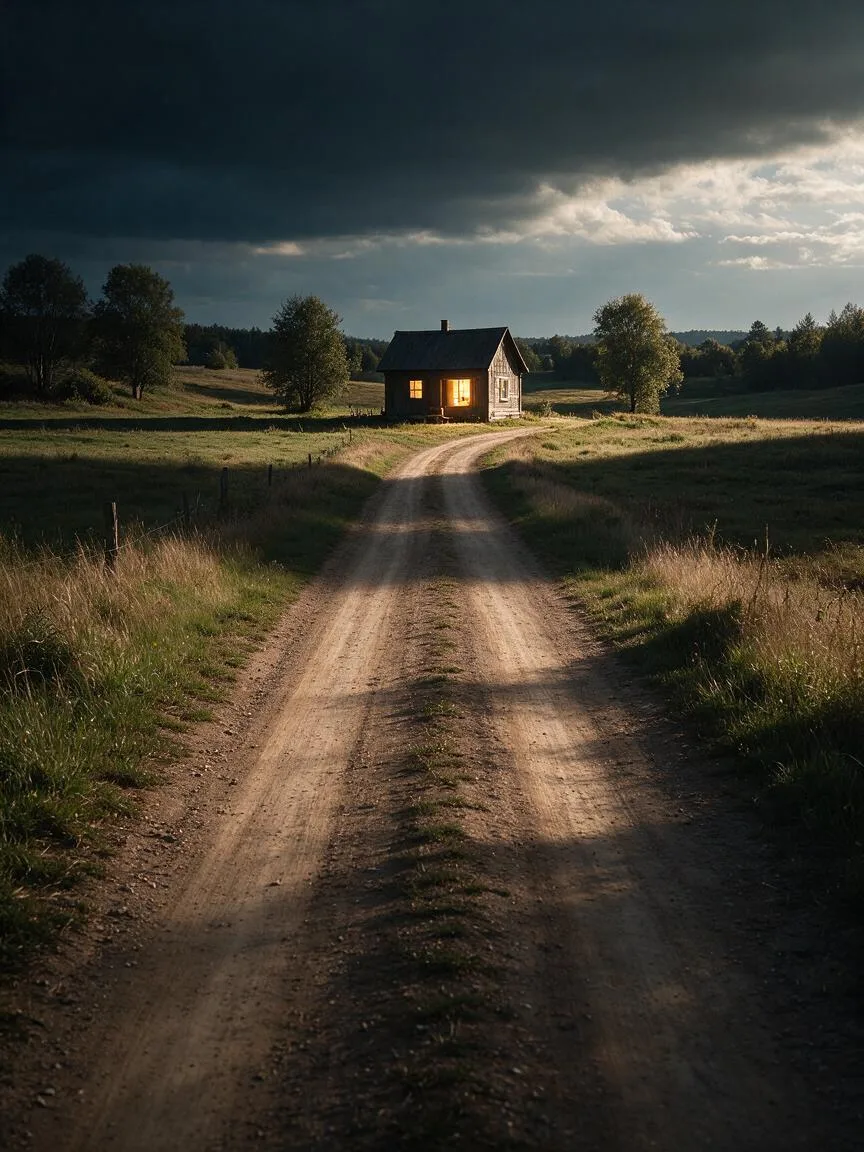
Leading Lines
A compositional technique that uses natural or artificial lines in the frame (such as roads or building edges) to guide the viewer's eye toward a specific subject or deep into the scene.
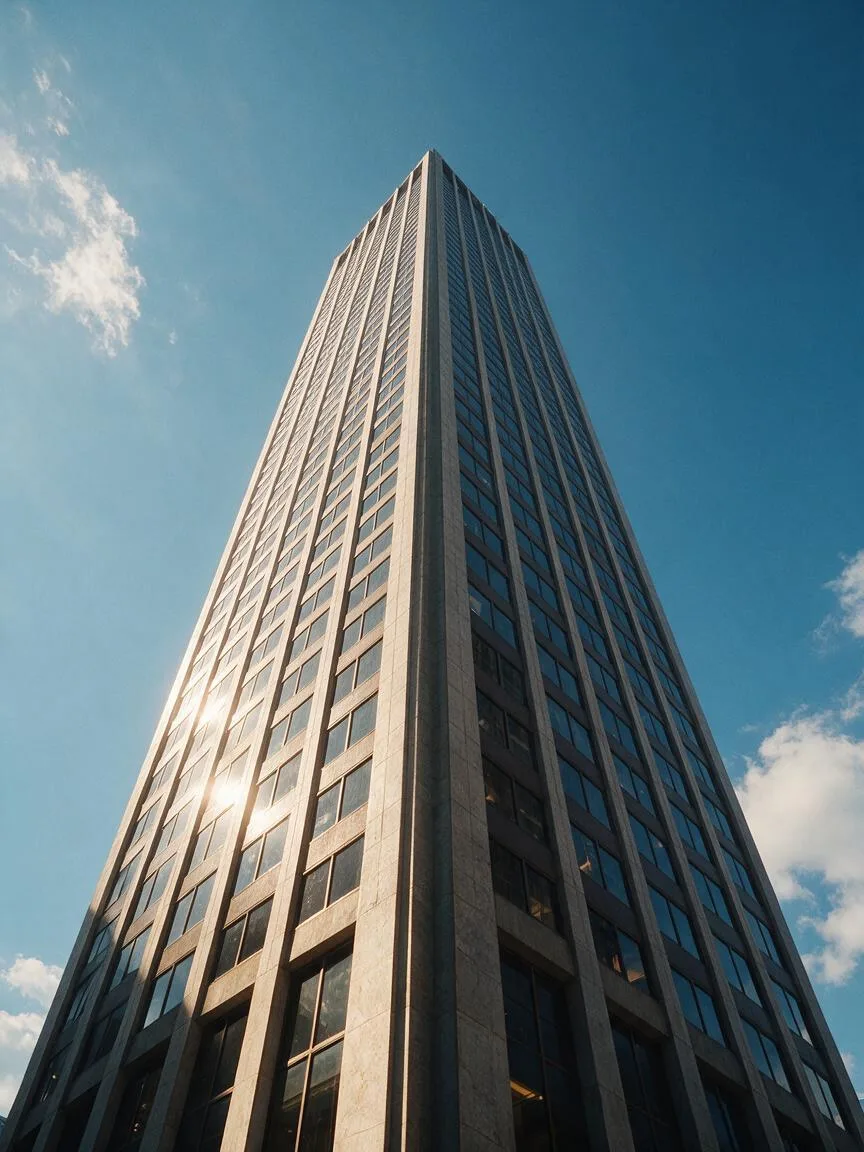
Low Angle Shot
A shooting perspective where the camera is positioned below the subject's horizontal eye level, framing upward to make the subject appear tall, majestic, or imposing.
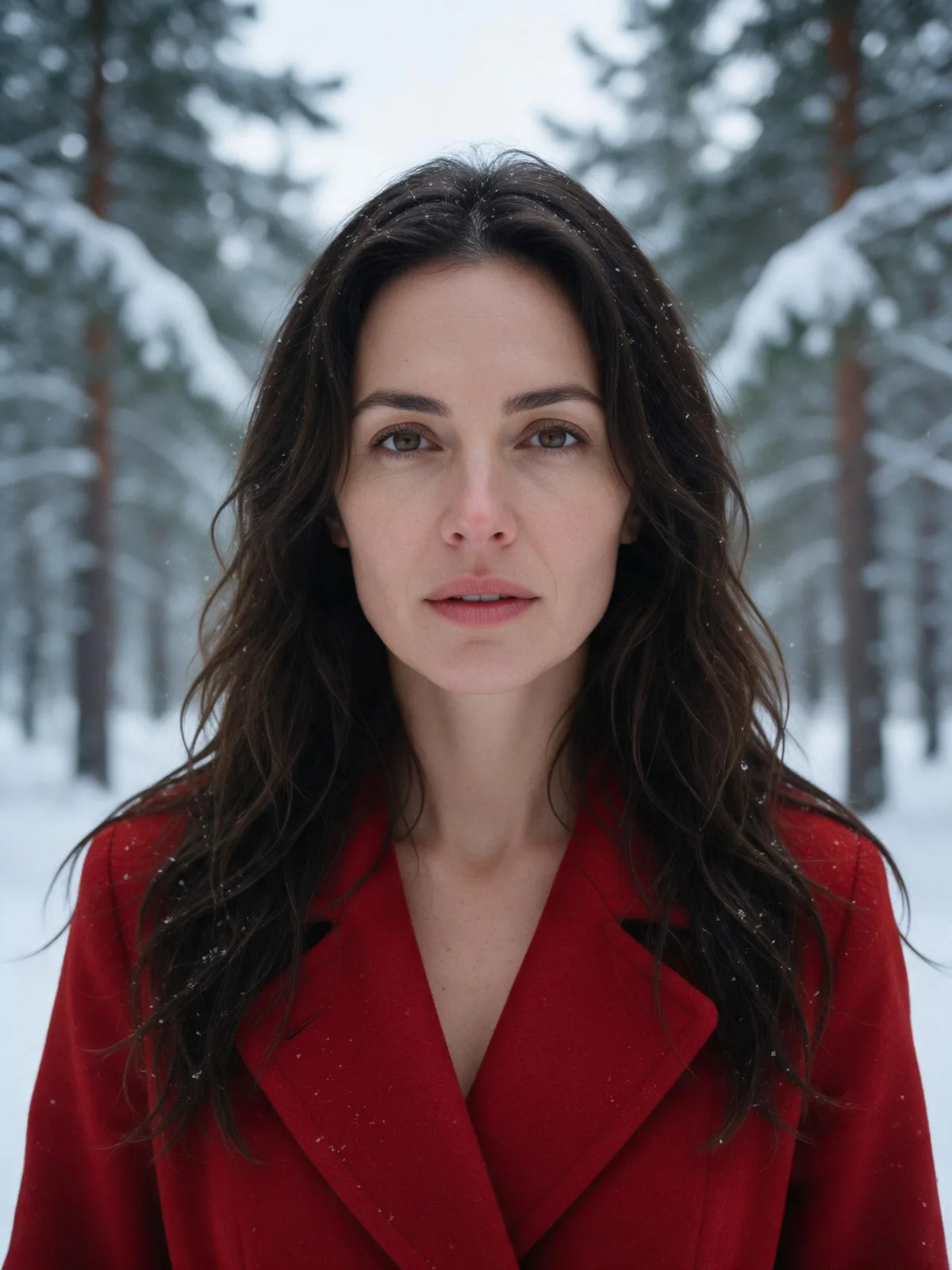
Medium Close-up
A classic framing method that captures a subject from the chest to the shoulders up, balancing facial expressions with partial body language.
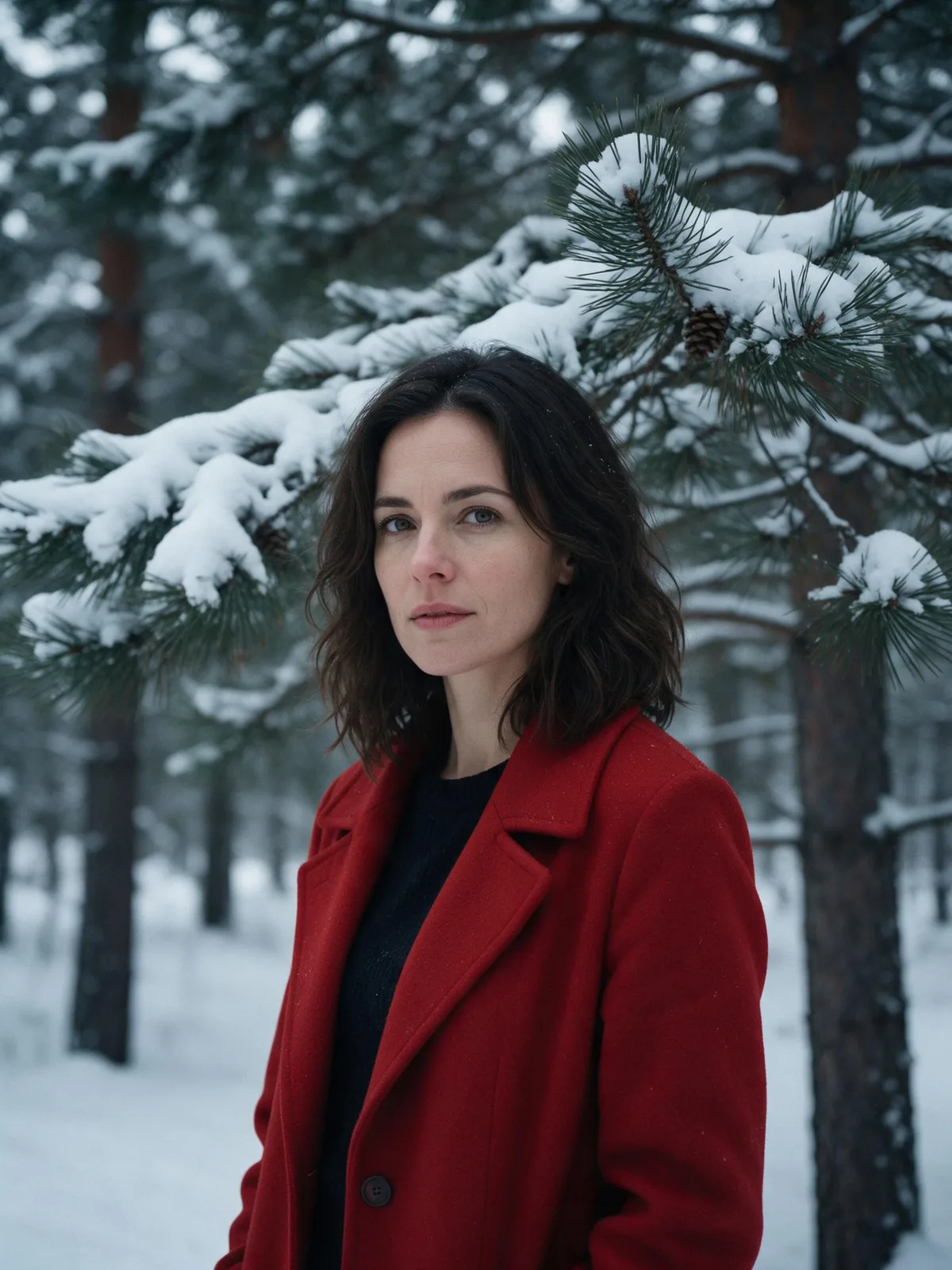
Medium Shot
A framing that typically covers the subject from the waist or knees up, balancing subject detail with environmental context.

Negative Space
The blank or background area around the main subject in an image, which highlights the subject, creates balance, and gives the composition room to breathe by reducing visual elements.
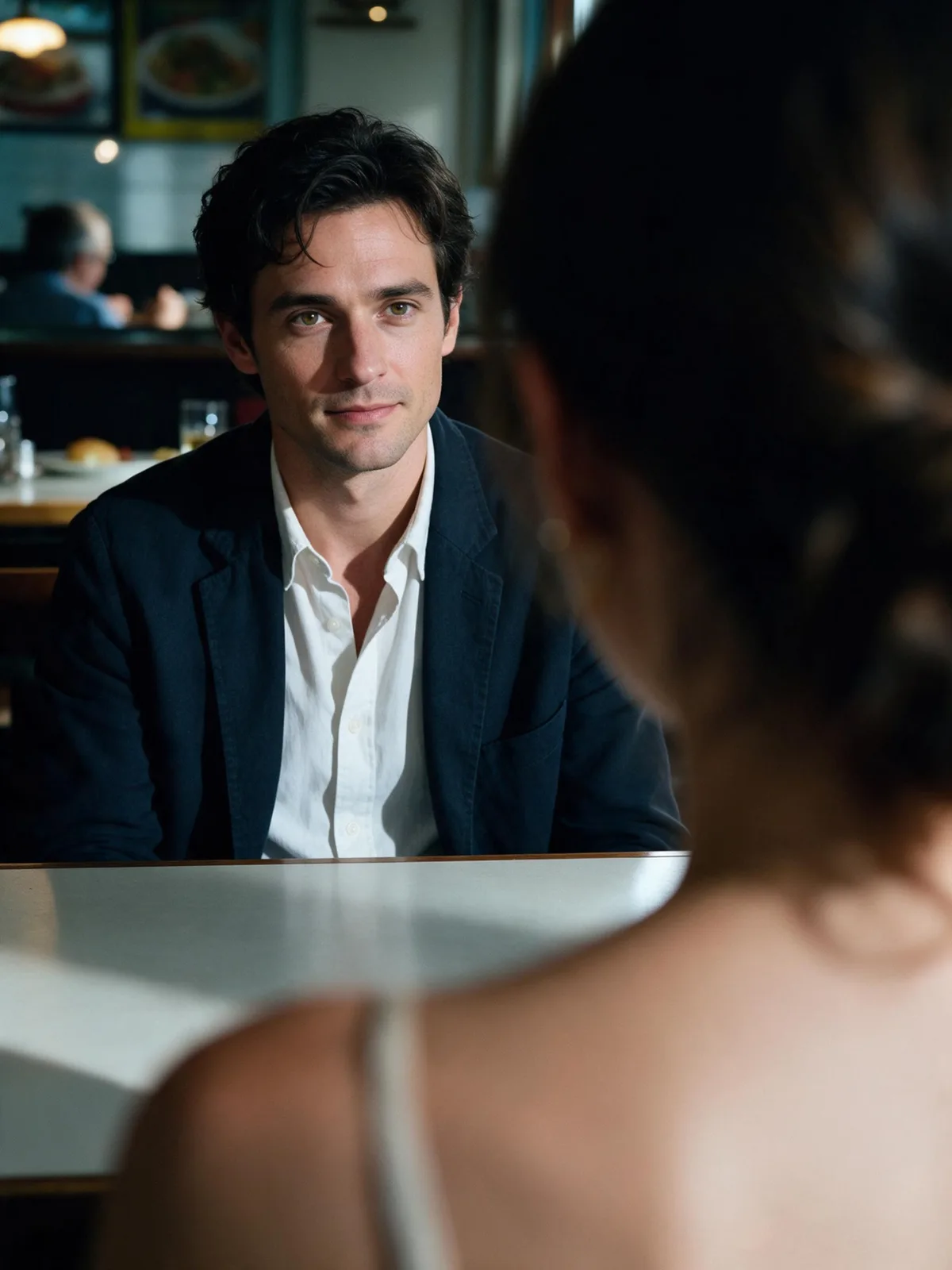
Over-the-Shoulder Shot
A compositional technique in photography and film that uses the shoulder and back of the head of a foreground character as a frame, focusing on the opposing character or subject. It is commonly used in dialogue scenes to establish spatial relationships.
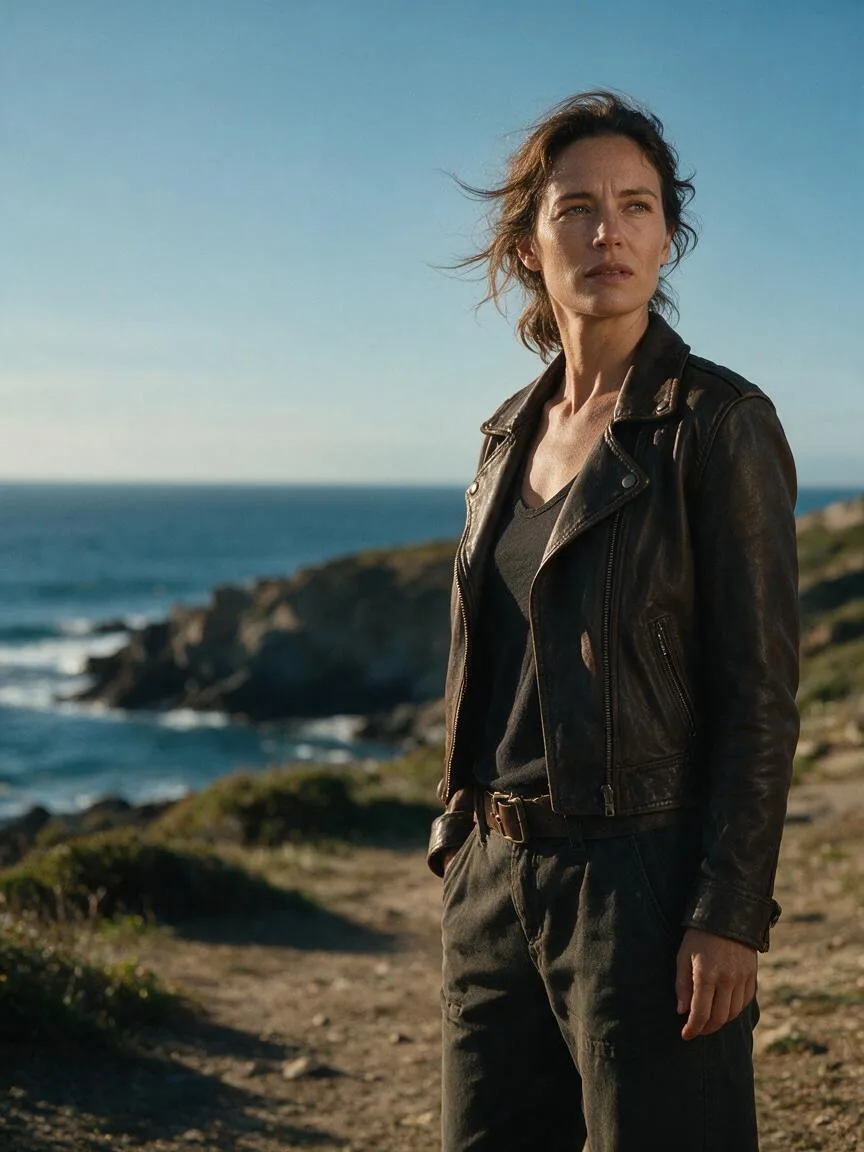
Rule of Thirds
A classic composition technique that divides the frame into a 3x3 grid, placing the visual subject at the intersections or along the dividing lines to create a natural and harmonious visual balance.

Shallow Depth of Field
A photographic and cinematic optical effect where only a very small range of the subject is in sharp focus, while the foreground and background appear softly blurred, used to forcefully highlight the subject.

Shot Size
Shot size refers to the framing scale of the subject within the image, used to control narrative distance and visual focus.
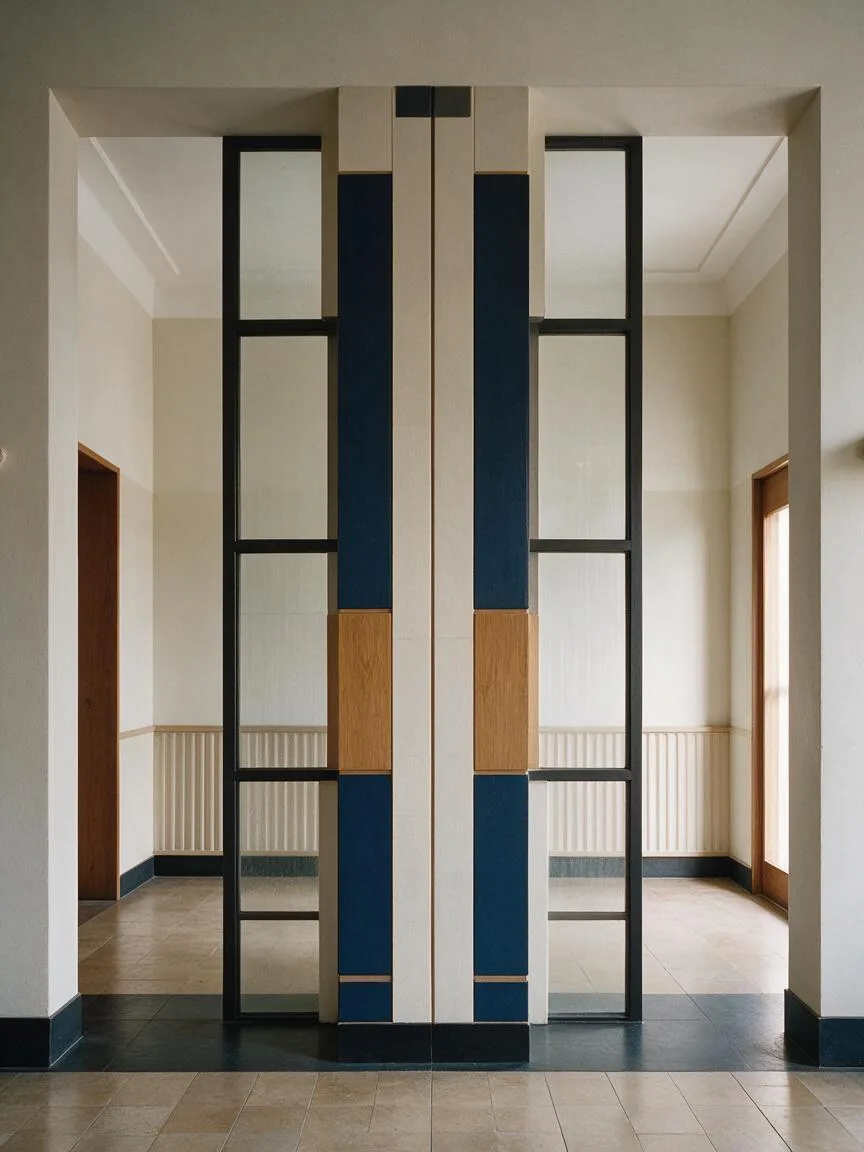
Symmetrical Composition
A compositional rule where visual elements are arranged in a mirrored or geometrically symmetrical pattern along a central axis or focal point, designed to create a profound sense of balance, order, and solemnity.
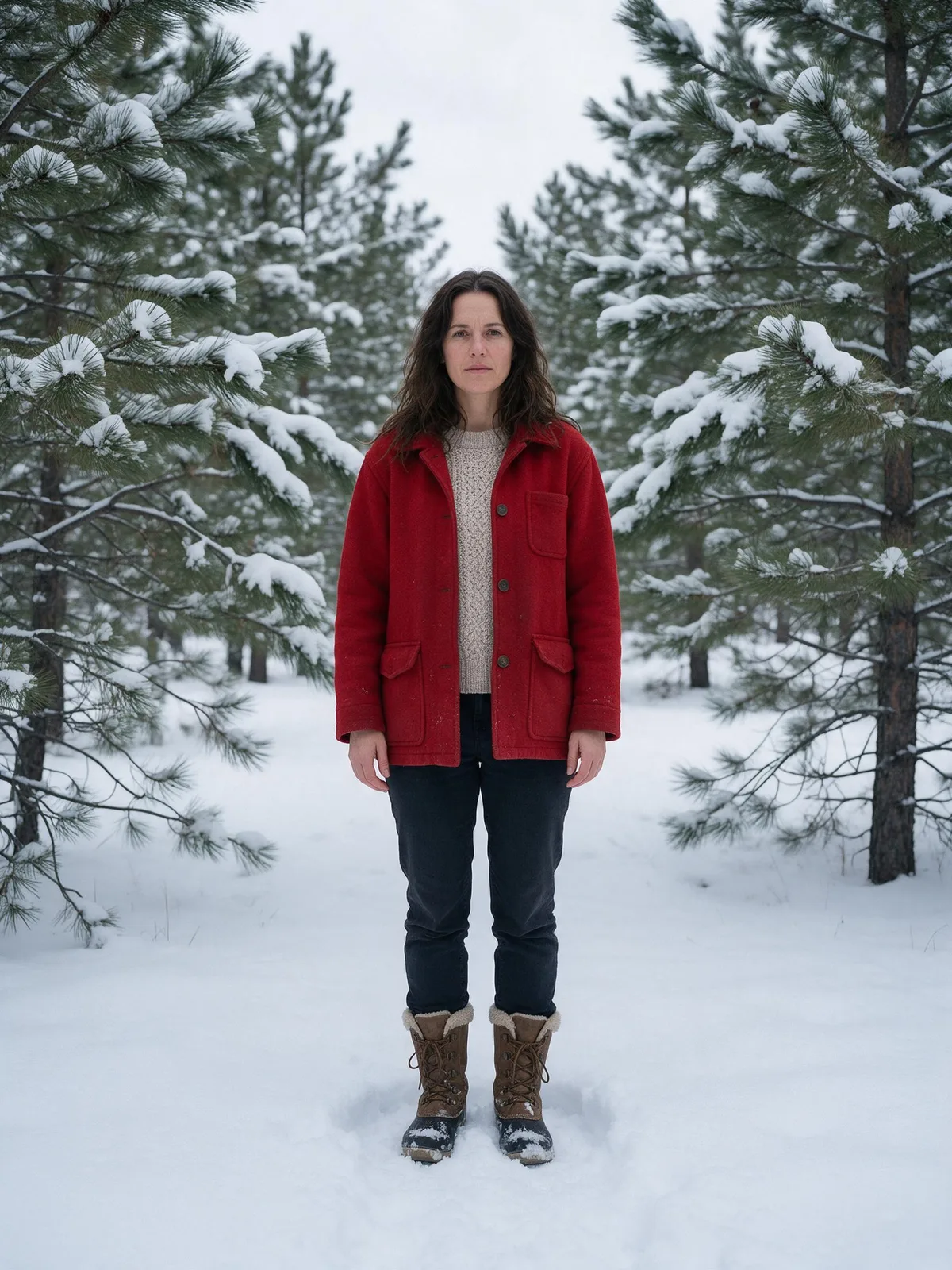
Wide Shot
A composition that captures the subject's full body and surroundings, or presents an exceptionally wide field of view, used to establish spatial relationships and overall atmosphere.
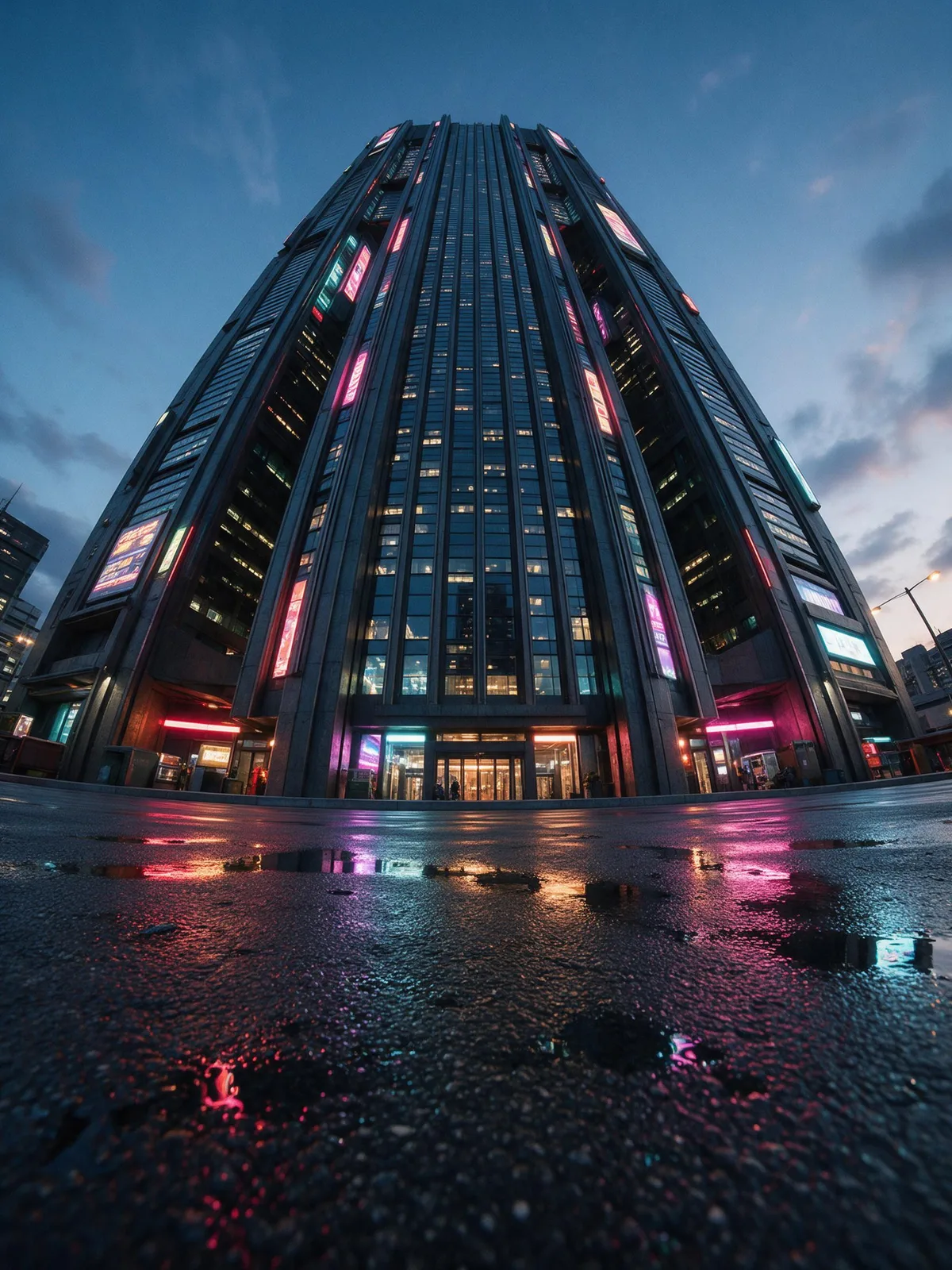
Worm's-Eye View
A framing technique that places the camera at an extremely low position, close to the ground, capturing the subject from an extreme upward angle to exaggerate its height or the oppressive feel of the environment.