Worm's-Eye View
Worm's-Eye View Bug's-Eye View
Composition & FramingA framing technique that places the camera at an extremely low position, close to the ground, capturing the subject from an extreme upward angle to exaggerate its height or the oppressive feel of the environment.
Also known as: Bug's-Eye View
- Midjourney
- Runway
- Kling
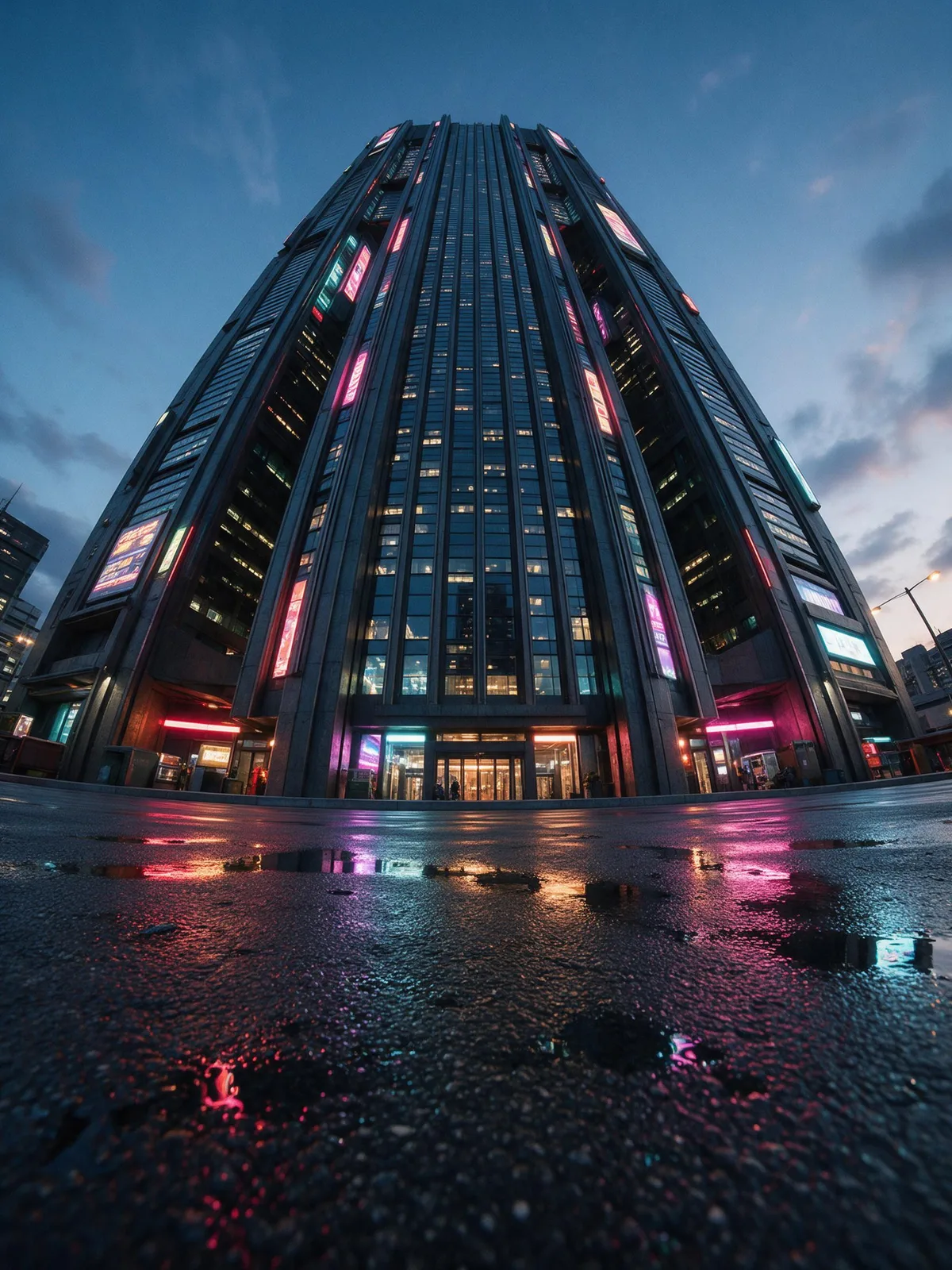
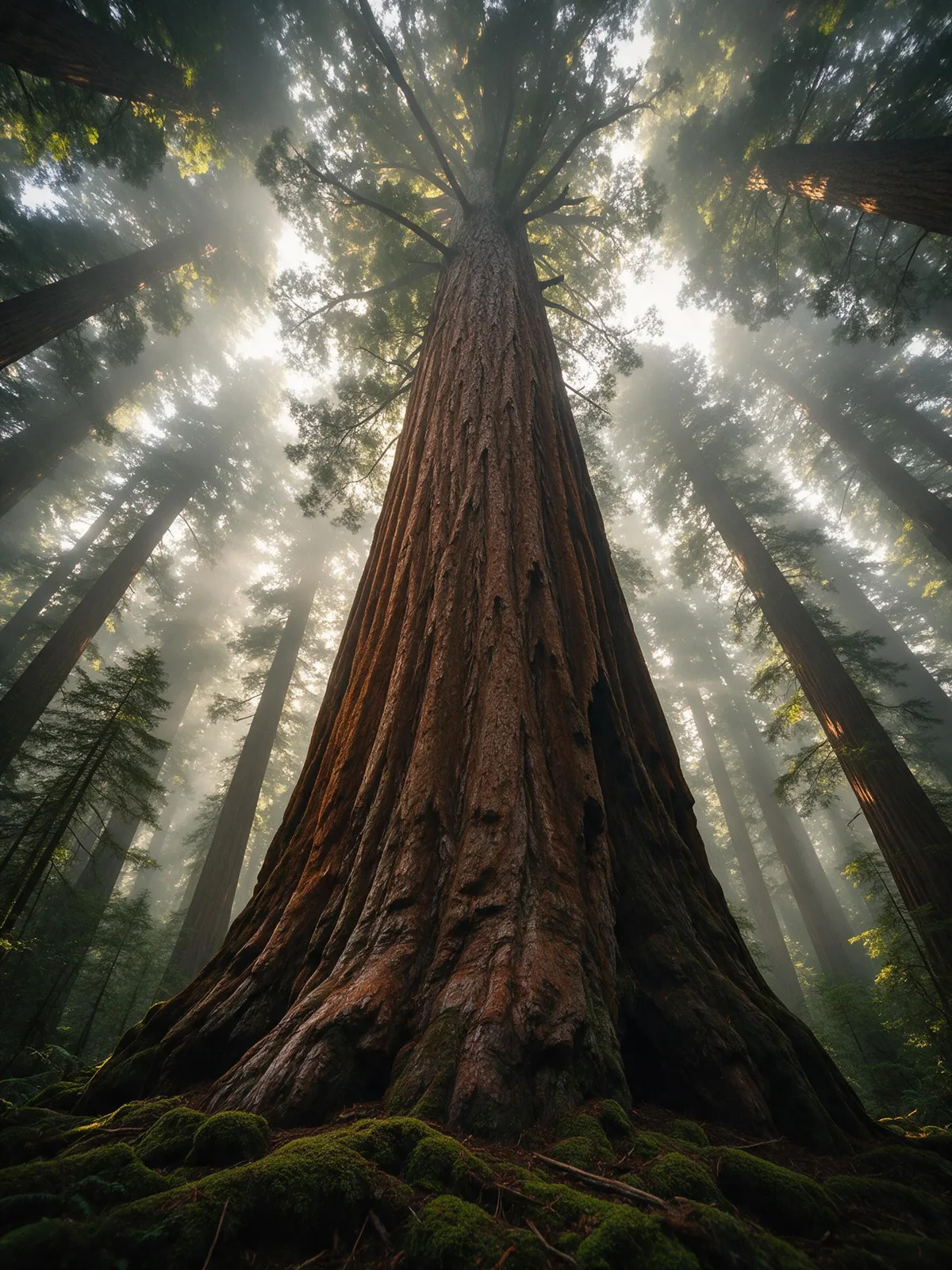
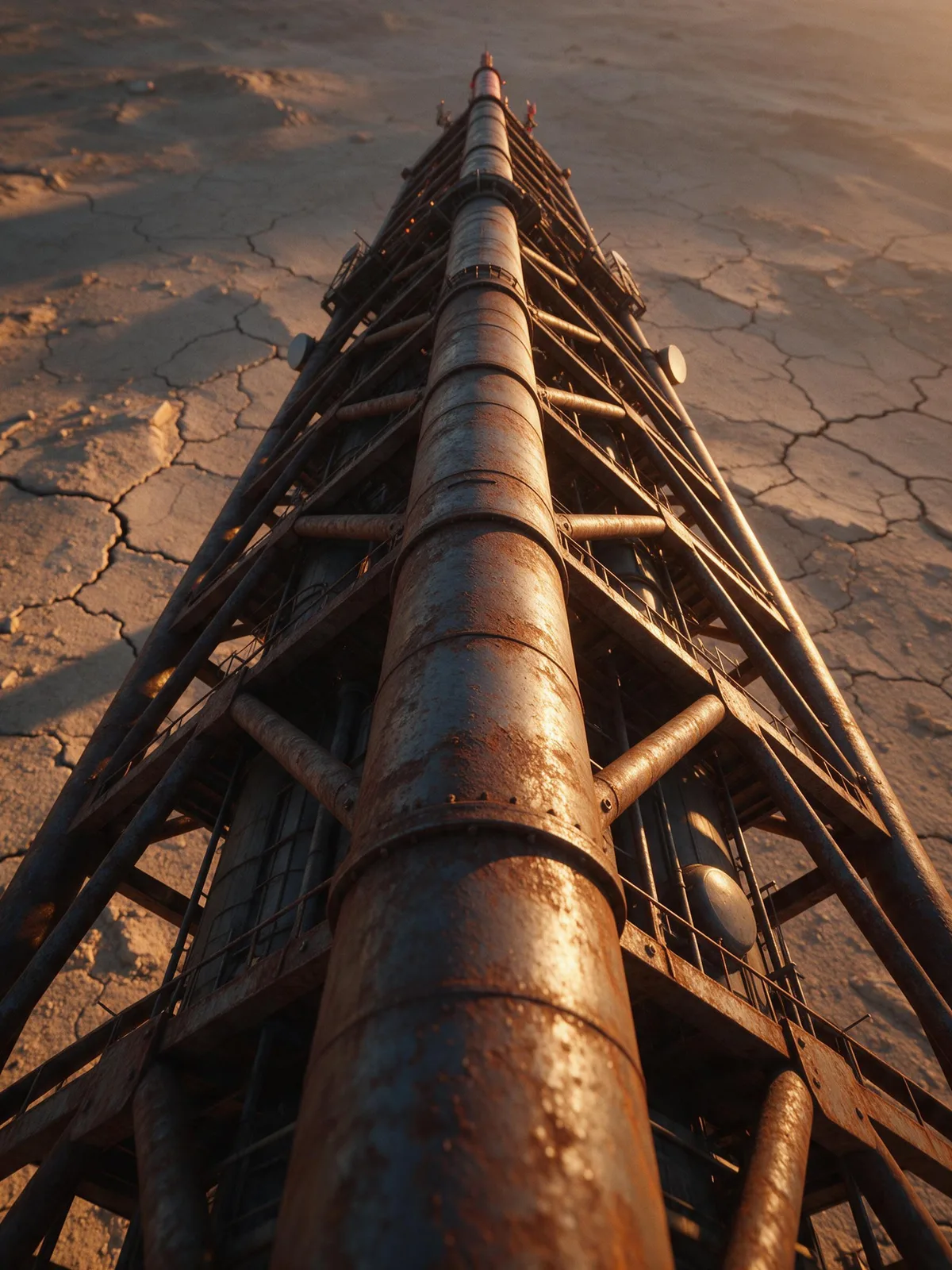
Prompt snippets
A worm's-eye view of a towering cyberpunk skyscraper, camera placed directly on the wet asphalt looking straight up, extreme low angle, dramatic perspective distortion, neon lights reflecting in puddles, cinematic lighting --ar 9:16bug's-eye view, camera on the ground looking up at a giant robot walking, extreme low angle, strong perspective distortion, dust kicking up from the ground, slow motion, cinematic lighting.worm's-eye view, camera flush with the ground looking up, a giant mechanical beetle crawling over the top of the lens, extreme low angle perspective, blurred cyberpunk city sky in the background, full of oppressive atmosphere, cinematic lighting.
What it is
A worm’s-eye view is a framing technique where the camera is placed at an extremely low position, flush with or even below ground level, to capture the subject from an extreme upward angle. Unlike a standard Low Angle Shot, it requires the camera to be as close to the ground as possible, with the line of sight piercing through the subject from the bottom up.
Visual and emotional effect
This perspective induces strong perspective distortion, making the foreground appear massive while the background shrinks dramatically. It exaggerates the height and imposing presence of the subject, giving the frame a strong sense of oppression or awe. At the same time, it magnifies everyday objects (like plants, insects, or shoe soles) into spectacles. The background is typically simplified to the sky or a ceiling, highlighting the subject’s silhouette and visual tension.
When to use it
Ideal for conveying the awe and intimidation of colossal objects, the towering presence of heroic characters, or the sense of wonder in a micro-world. It is also effective in storytelling to emphasize a character’s absolute power or environmental oppression. In sci-fi and fantasy genres, it is frequently used to highlight the massive scale of giant mechs, monsters, or architecture.
Prompt tips
For image generation, explicitly emphasize “camera on the ground” and “extreme low angle,” and combine them with “perspective distortion” or “sky background” to enhance the effect. For video tools, it is recommended to combine this with a slow Dolly In or a ground-level Tilt Up to enhance spatial depth and dynamic tension.
Common mistakes
It is most easily confused with a standard Low Angle Shot. A low angle shot only requires the camera to be below eye level, whereas a worm’s-eye view must be flush with the ground. Additionally, if left uncontrolled, the extreme perspective can cause the subject to deform and distort. It should be used with caution in commercial designs that require precise reproduction of the subject’s proportions.