Frame Within a Frame
Frame Within a Frame Framed composition Natural frame
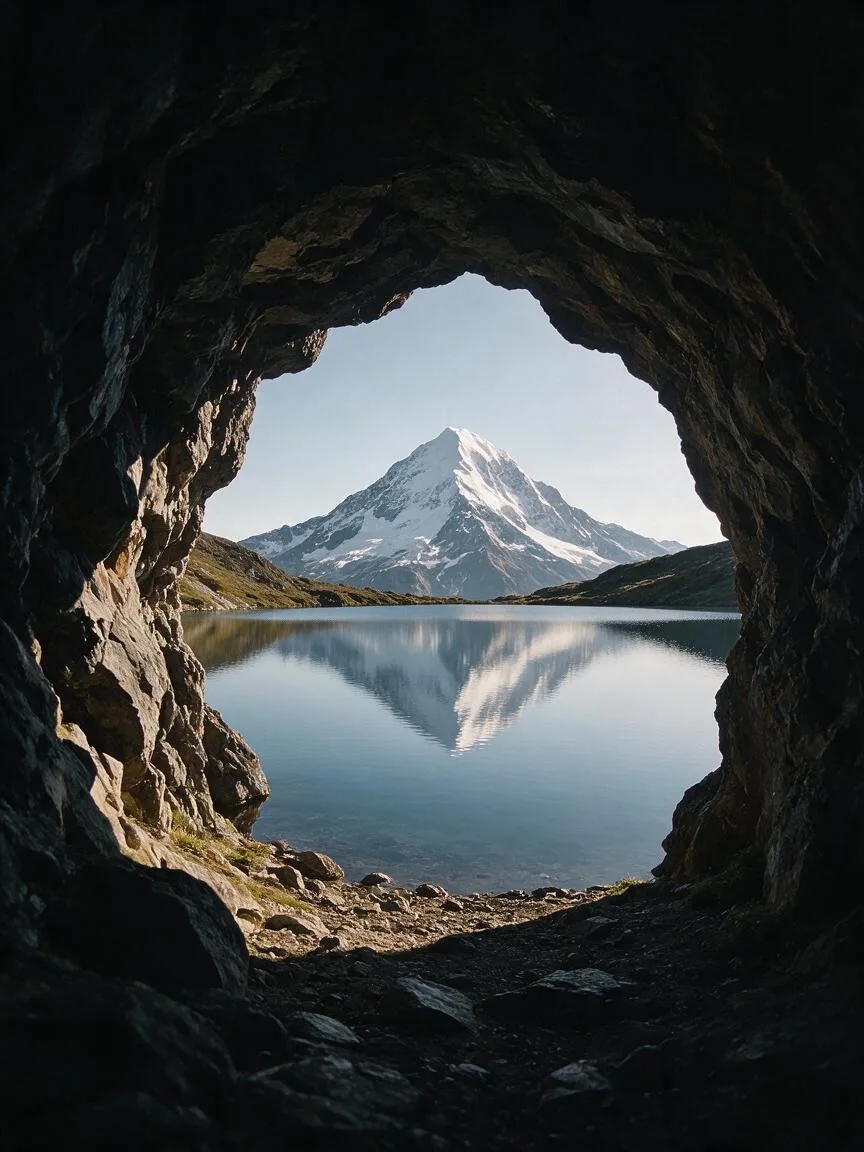
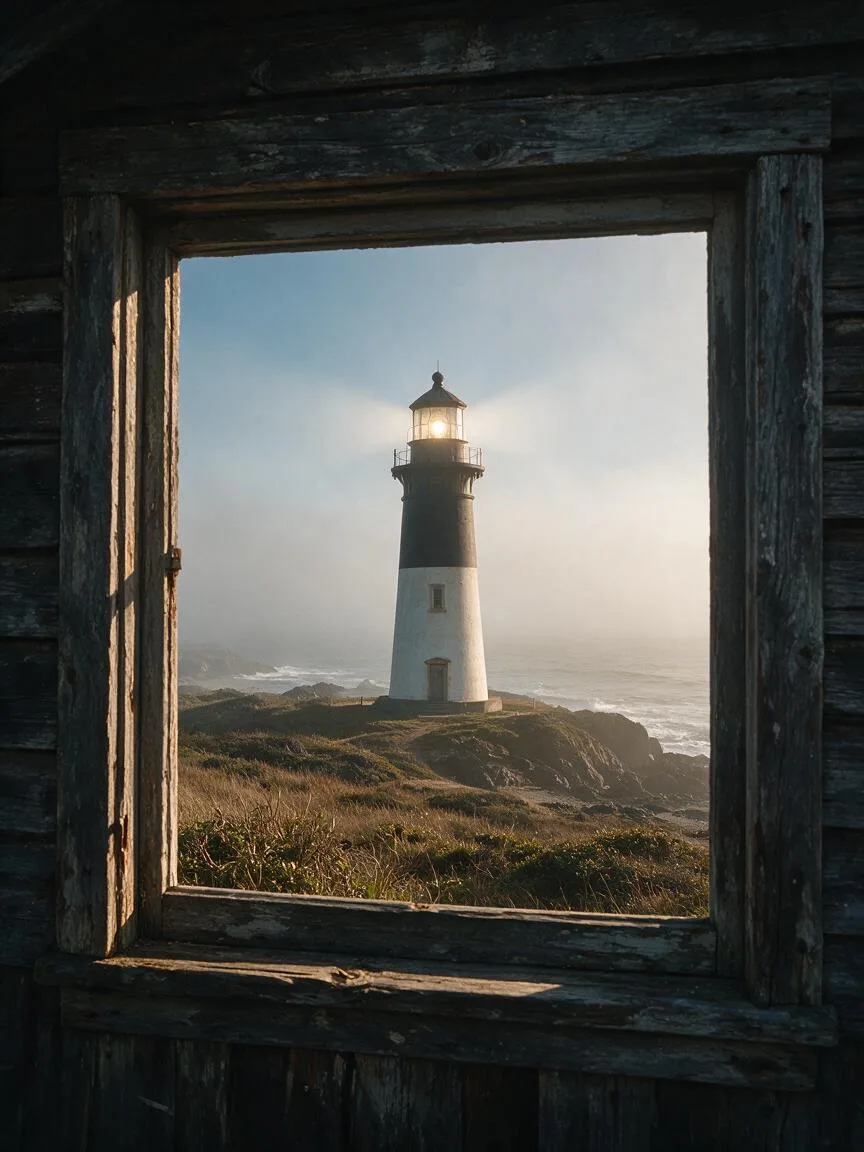
Composition & FramingA composition technique that uses foreground elements (such as doors, windows, branches, or arches) to create a visual frame, highlighting, enclosing, and guiding the viewer's eye to the subject within.
Also known as: Framed composition · Natural frame
- Midjourney
- Kling
- Sora

Prompt snippets
A beautiful woman standing in a sunlit courtyard, viewed through an ancient stone archway in the foreground, the archway acts as a natural frame, depth of field, cinematic lighting, shot on 35mm lens --ar 16:9A cinematic shot looking through a half-open vintage wooden window. Outside the window, a girl is walking with an umbrella in the rain. The wooden window serves as a foreground frame, depth of field effect, cinematic lighting, high quality, rich details.A cinematic shot looking through a dense canopy of autumn leaves. The leaves create a natural frame in the foreground, slightly blurred and swaying gently in the wind. In the center of the frame, a deer is drinking from a clear stream. Sunlight filters through the leaves, creating a dappled light effect on the forest floor.
What it is
Frame Within a Frame is a composition technique that uses natural or man-made elements in the scene (such as doorframes, windows, branches, arches, or even boundaries formed by light and shadow) as foreground elements to build a “frame”. This guides and restricts the viewer’s attention to the subject inside the frame.
Visual and emotional effect
It significantly enhances the 3D depth of the image, breaking the monotony of a flat plane. Emotionally, the frame can create a sense of “peeking”, “mystery”, or “shelter”, giving the audience the psychological impression of observing a bright scene from the dark. At the same time, clear frame boundaries create strong visual focus, forcing the viewer to ignore cluttered backgrounds.
When to use it
Use it when you need to highlight a specific subject or want to convey the subordinate relationship between the subject and its environment. In landscape photography, it is often used to add foreground depth; in portrait or narrative videos, it is frequently used to express a character’s loneliness or feeling of being trapped, or to create a voyeuristic or secretive narrative perspective.
Prompt tips
In your prompt, you must specify the exact material and form of the “frame” (e.g., through a rusted iron gate, framed by overhanging branches) and define the spatial relationship between the frame and the subject. It is recommended to pair this with depth of field control (e.g., blurred foreground frame, shallow depth of field) to appropriately blur the foreground frame, preventing it from overpowering the main subject.
Common mistakes
The foreground frame is too complex or brightly colored, causing it to overpower the main subject; the edges of the frame harshly cut off key parts of the subject (such as the head or hands), destroying the integrity of the image; ignoring the guiding function of the frame, causing the subject to deviate from the visual center, which makes the “frame” lose its focusing purpose.