Dutch Angle
Dutch Angle German Tilt Canted Composition Dutch Tilt Canted Angle
Composition & FramingA composition technique that breaks the conventional horizontal balance of a frame by rotating the camera along its optical axis to tilt the horizon.
Also known as: German Tilt · Canted Composition · Dutch Tilt · Canted Angle
- Midjourney
- Sora
- Runway
- Kling
- Dreamina
Prompt snippets
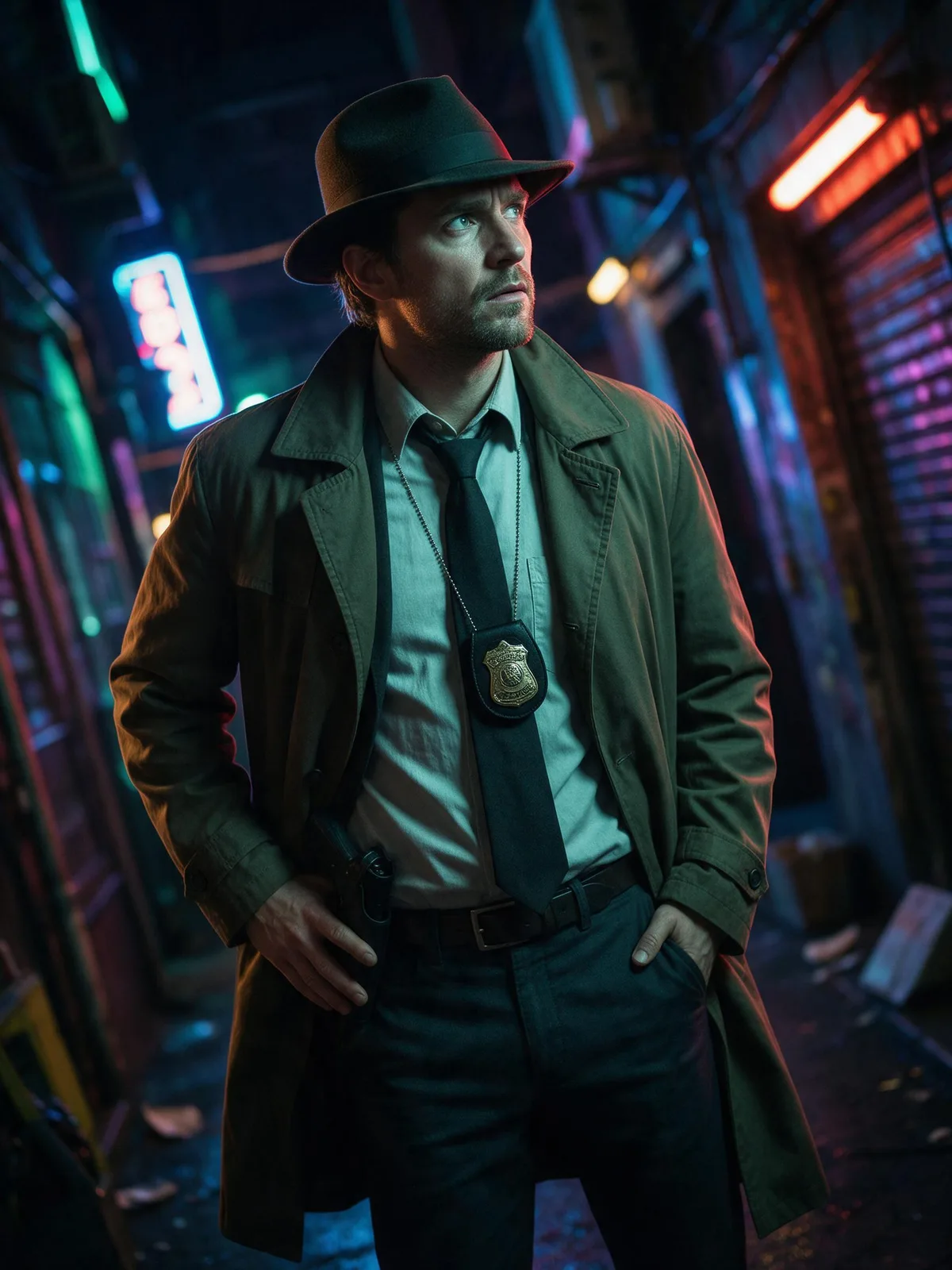
A cinematic shot of a detective in a dimly lit cyberpunk alley, Dutch angle, tilted camera, canted angle, tilted horizon, uneasy atmosphere, neon lights, high contrast, 8k, photorealistic --ar 16:9A tracking shot of a person running through a distorted, surreal dreamscape, the camera is tilted at a 30-degree Dutch angle, maintaining the tilted horizon throughout the movement, disorienting atmosphere, cinematic lighting.Cinematic shot, a frightened woman looking around in a tilted room, Dutch angle, camera tilted 45 degrees, disorienting perspective, psychological thriller vibe, dynamic lighting.A cinematic shot of a cyberpunk city at night, a killer running through a narrow alley, Dutch angle composition, frame tilted at 30 degrees, tilted horizon, creating a tense and unbalanced atmosphere, neon lights, high contrast, motion blur.A thriller and suspense movie frame, the protagonist looks forward in terror inside a tilted room, German tilt composition, camera tilted, the frame loses its horizon line, oppressive psychological tension, cool colors, volumetric light, high quality.
What it is
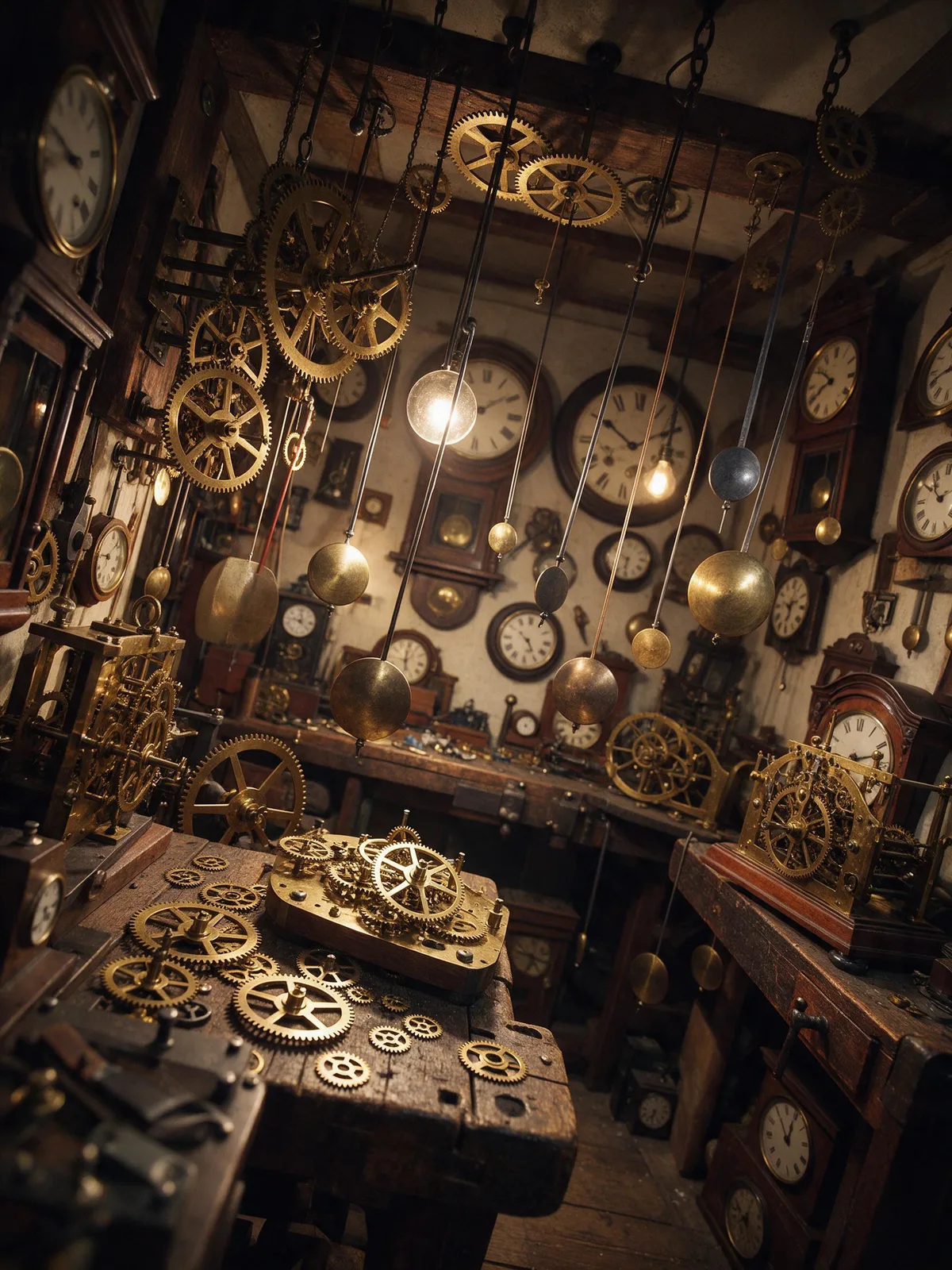
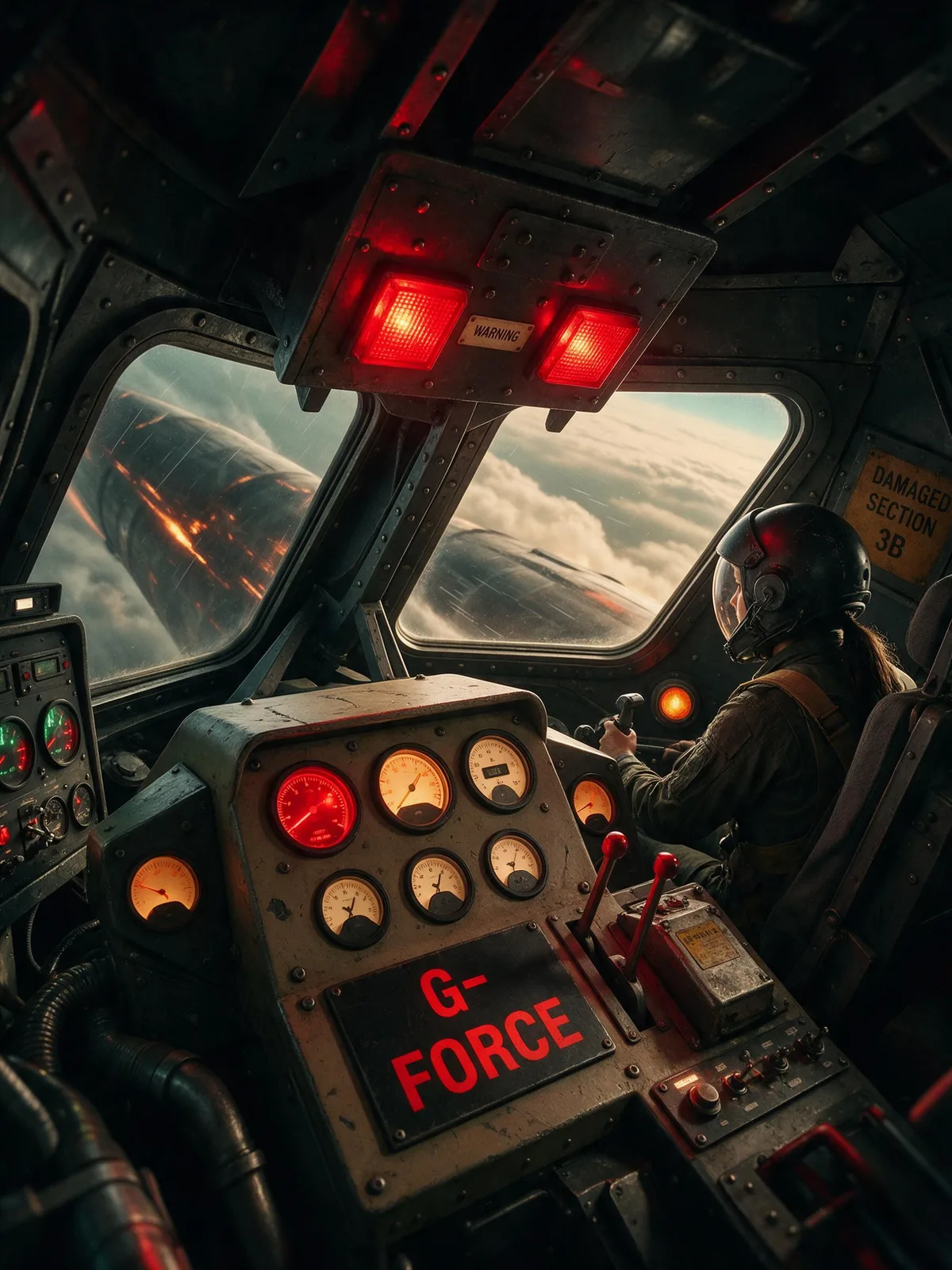
A Dutch angle is a composition technique where the camera is intentionally rotated along its optical axis during shooting, making the horizon line in the frame non-parallel to the frame edges. Its purpose is to break conventional visual balance.
Visual and emotional effect
Its core function is to “break the balance,” depriving the audience of a sense of security and evoking feelings of tension, unease, disorientation, or a surreal state. It visually externalizes a character’s psychological state of mental instability, intoxication, or fear. In action sequences, it also enhances the sense of speed and loss of control.
When to use it
- Psychological thriller: Portraying a character’s mental breakdown, hallucinations, or extreme tension.
- Unbalanced state: Showing a character who is drunk, dizzy, or in a zero-gravity environment.
- Enhancing dynamism: Adding visual tension in cyberpunk or action chase scenes.
- Surreal scenes: Constructing nightmares or fantasy visuals that defy physical laws.
Prompt tips
In image tools, use Dutch angle, tilted camera, canted angle, and tilted horizon, paired with uneasy atmosphere to reinforce the mood. In video tools (like Sora or Runway), explicitly lock the tilted state, such as camera tilted at a 30-degree angle throughout the shot, to prevent the model from auto-correcting the horizon during dynamic generation.
Common mistakes
- Over-tilting: An excessively large angle causes severe distortion of the subject, making it unrecognizable.
- Overuse: Tilting without narrative support looks like a shooting mistake.
- Concept confusion: A Dutch angle involves rotation along the optical axis (Roll), not pitch (Pitch) or high/low angles on the vertical plane.