Extreme Long Shot
Extreme Long Shot ELS Establishing Shot
Composition & FramingA shot size where the subject is placed in a vast environment and presented at an extremely small scale, primarily used to establish spatial relationships, geographical settings, or to create a grand, epic feel.
Also known as: ELS · Establishing Shot
- Midjourney
- Sora
- Kling
- Runway
- Dreamina
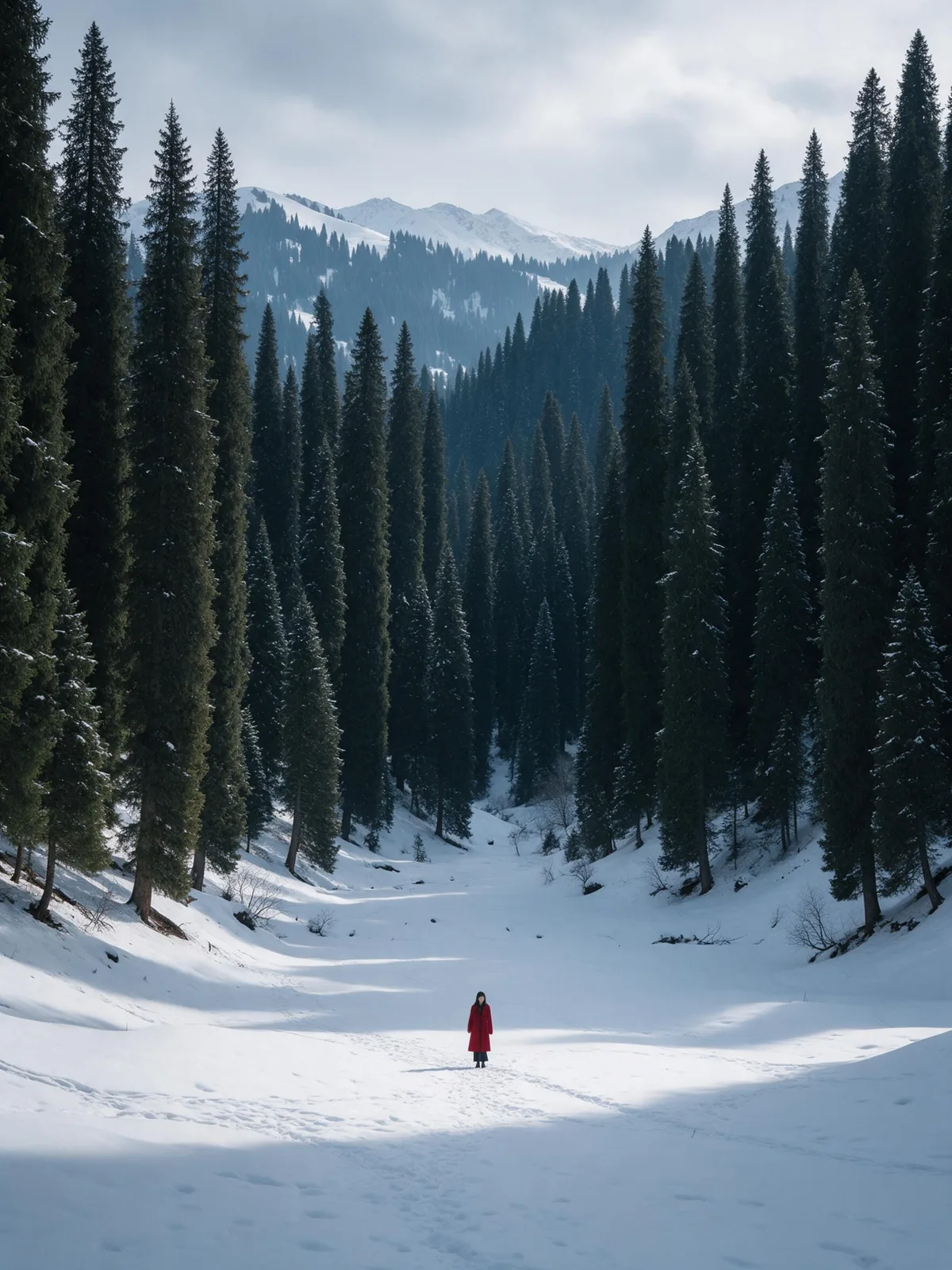
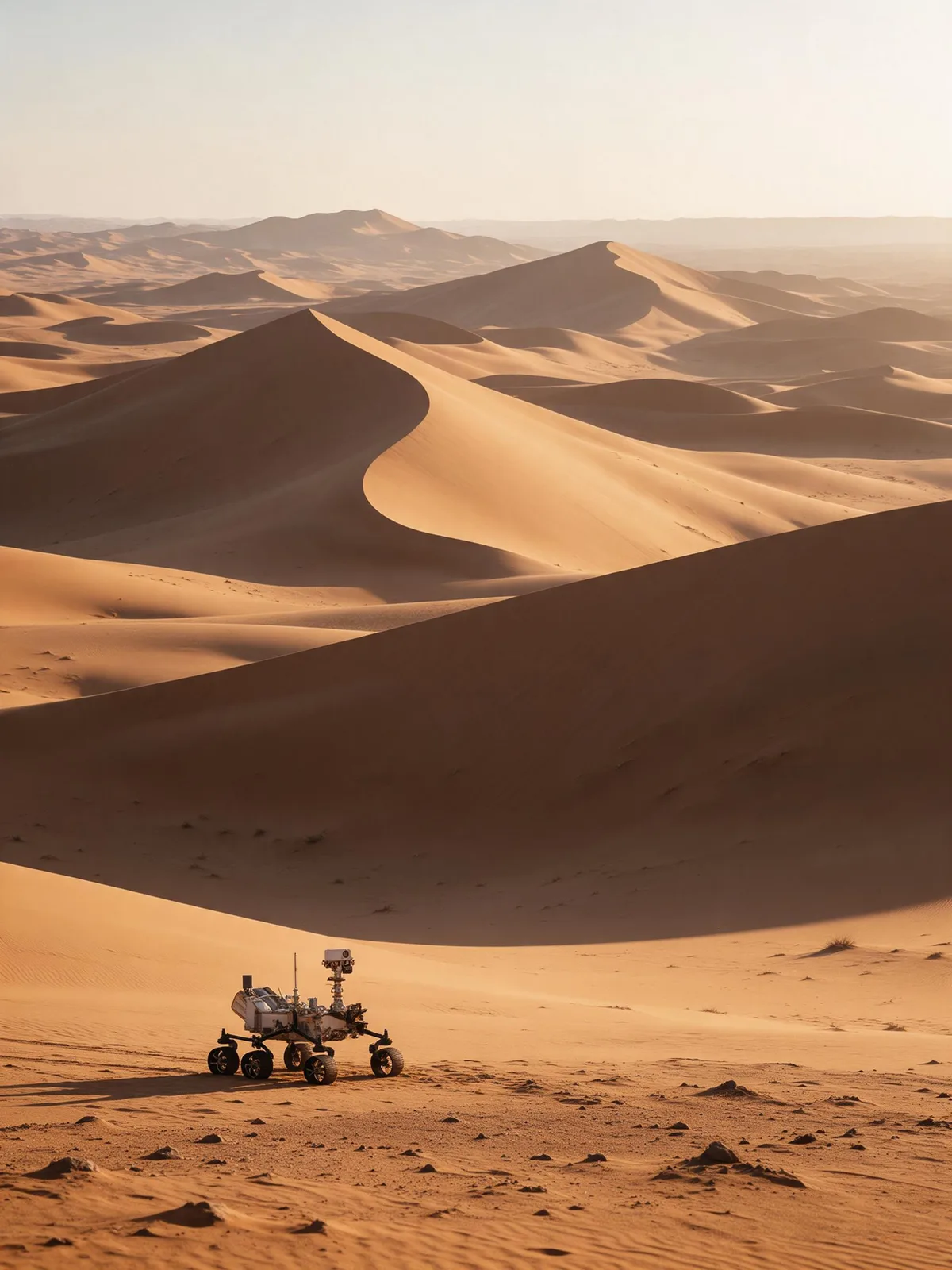
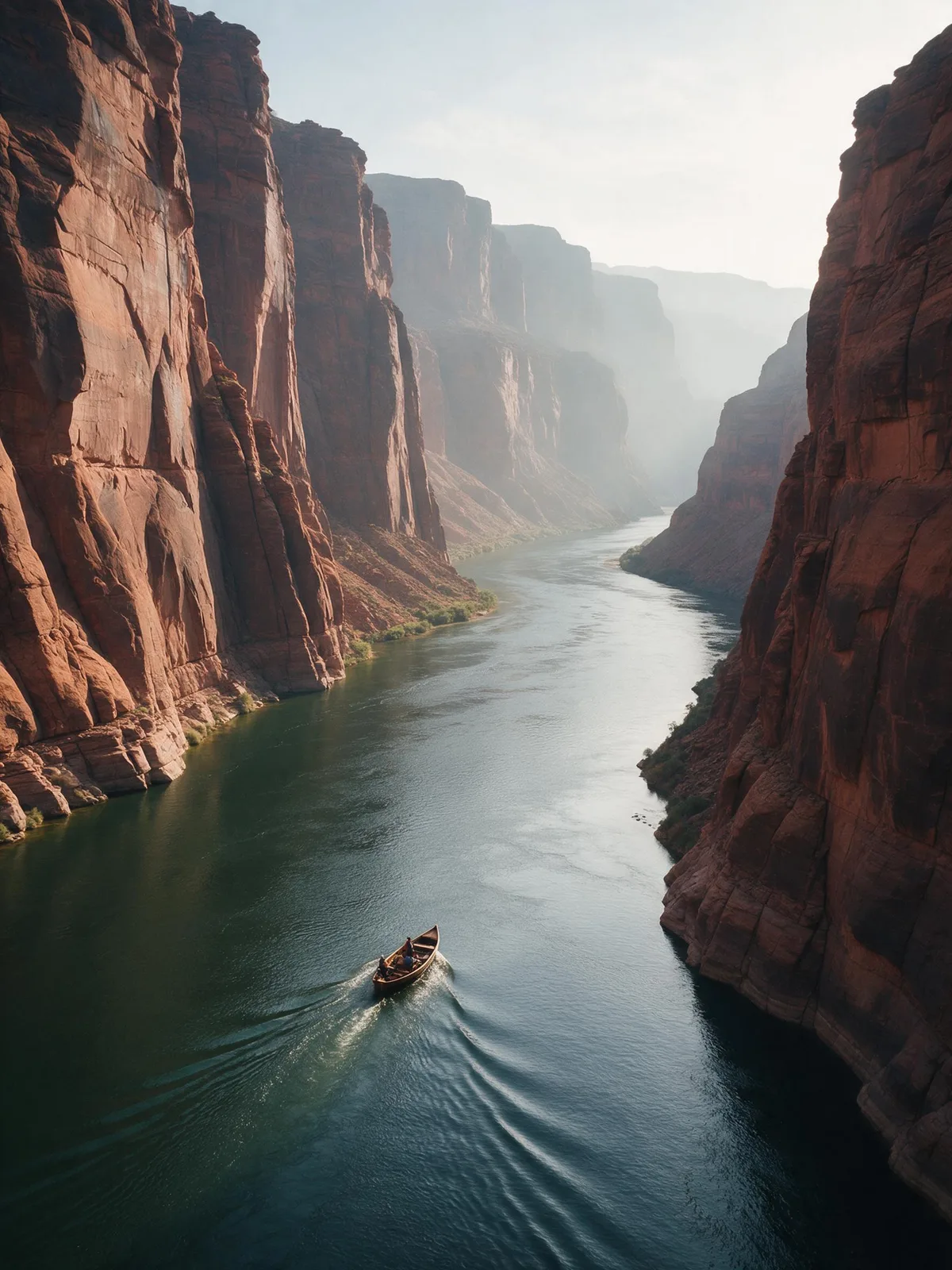
Prompt snippets
An extreme long shot of a woman in a red coat standing in a vast snowy valley, towering pine forest and distant mountains around her, a tiny figure in an immense landscape, cold overcast light, photorealistic, epic scale --ar 21:9Extreme wide shot, aerial view of a massive futuristic cyberpunk city at night, neon lights reflecting on dark waters, camera slowly panning across the sprawling metropolis, tiny flying vehicles in the distance, cinematic, highly detailed environment.Extreme long shot, a vast and boundless snowy mountain canyon, a tiny hiker in a red jacket walking along the mountain ridge, emphasizing the massive scale contrast between human and nature, Tyndall effect, cinematic quality, epic scale.Extreme long shot of a dense, misty ancient forest from a high cliff edge, a tiny campfire glowing in the far distance, slow drone pan, atmospheric, moody, cinematic lighting.Extreme long shot, aerial view, a golden autumn poplar forest and a winding river, an extremely small silhouette of a horse rider at the edge of the frame, rich colors, National Geographic photography style, extremely high environmental detail.
What it is
Extreme Long Shot is the most distant type of Shot Size. The frame is dominated by the environment, landscape, or cityscape, with the human subject or main element occupying only a tiny fraction of the image. In cinematic language, it is frequently used as an Establishing Shot to convey the macro geographical location or the overall spatial scale of the story.
Visual and emotional effect
- Visual characteristics: Environmental information takes absolute precedence; details are compressed, emphasizing lines, color blocks, and macro textures.
- Emotional conveyance: Creates a sense of isolation, insignificance, epic scale, or awe. When the subject is extremely small in the frame, it highlights the overwhelming power of nature or the environment. In sci-fi or fantasy genres, it is often used to showcase the grandeur of the world.
When to use it
- Scene opening: Serves as an Establishing Shot for a film or sequence to set the geographical location (e.g., deserts, snow-capped mountains, Cyberpunk cities).
- Emotional expression: Conveys a character’s loneliness, helplessness, or freedom within a massive environment.
- Visual breathing room: Combined with Negative Space composition to provide visual breathing room, or used to leave space for title text in layout design.
Prompt tips
- Define shot size and scale: Use prompts like
extreme long shotandtiny figure in vast landscapeto force the AI to reduce the subject’s scale. - Emphasize environmental details: The success of an extreme long shot depends on the environment. Add specific descriptions of terrain, weather, or lighting, such as
vast snowy mountain range. - Control perspective and lens: Specifying
wide-angle lensoraerial viewenhances spatial depth and prevents the AI from automatically zooming in on the subject.
Common mistakes
- Confusing it with a wide shot: A Wide Shot still allows the viewer to see the full subject and its immediate surroundings, whereas in an Extreme Long Shot, the subject is extremely minuscule and the environment is the absolute focus.
- Over-describing details: Describing a subject’s facial expressions or clothing textures in an extreme long shot is ineffective. The AI cannot render these details at such a small scale, so you should focus on the environmental atmosphere instead.