Negative Space
Negative Space Whitespace Empty Space Background Whitespace
Composition & FramingThe blank or background area around the main subject in an image, which highlights the subject, creates balance, and gives the composition room to breathe by reducing visual elements.
Also known as: Whitespace · Empty Space · Background Whitespace
- Midjourney
- Sora
- Kling
- Runway
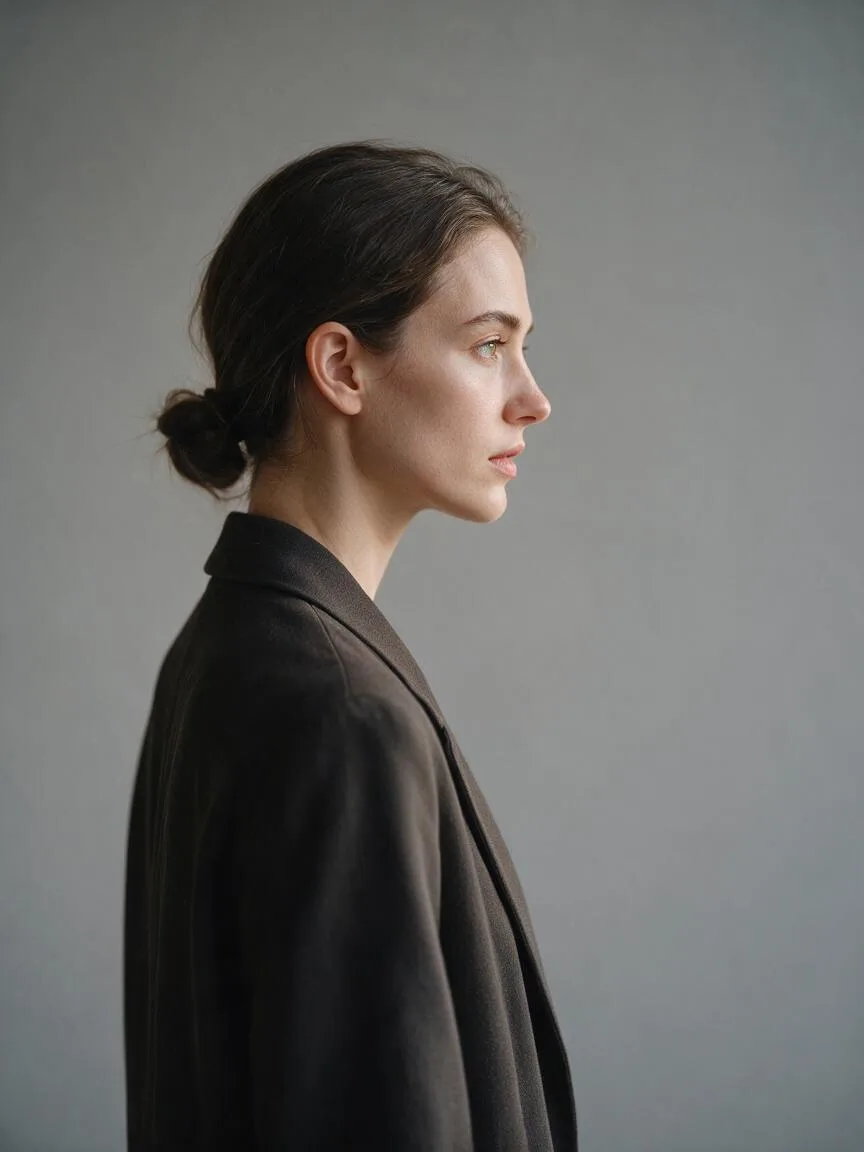
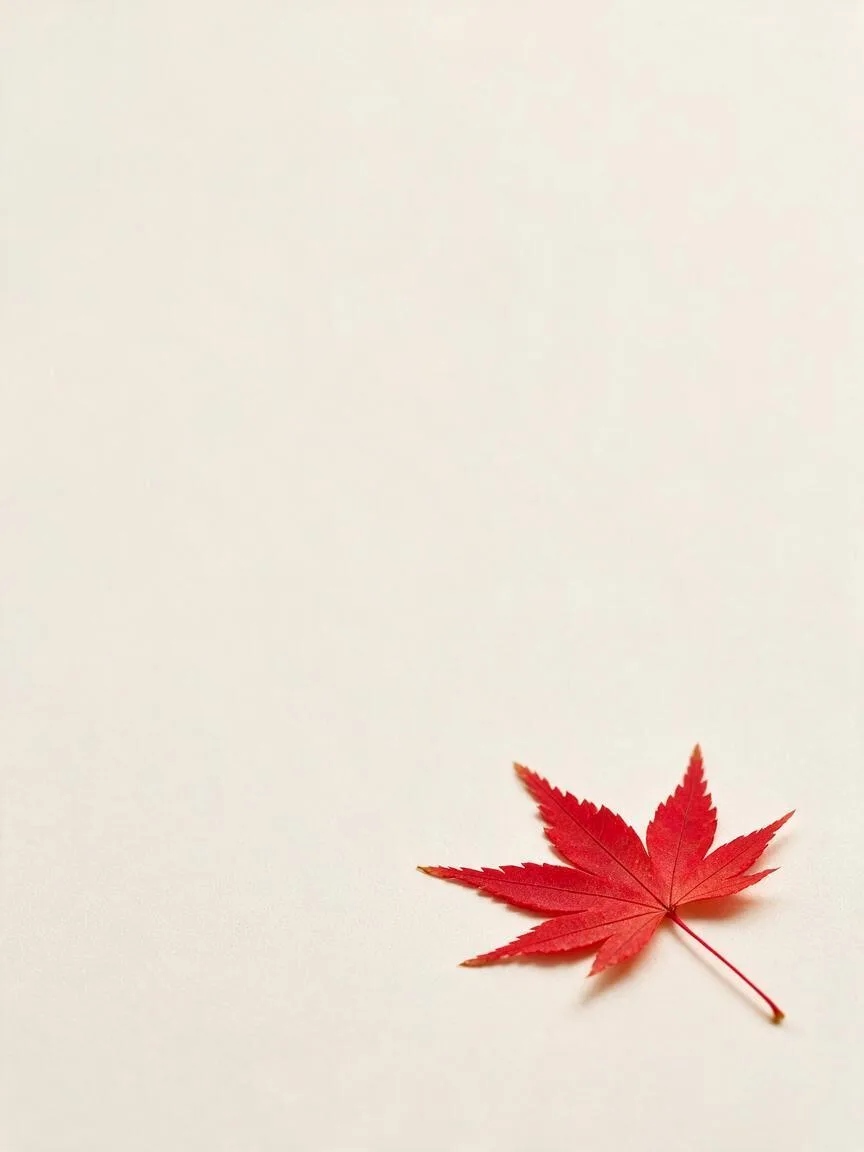

Prompt snippets
A minimalist portrait of a woman looking away, vast empty negative space, solid soft gray background, extreme minimalism, clean composition, high resolution --ar 16:9A lone astronaut standing on a vast, flat salt flat under a clear sky. The camera slowly dollies out, revealing an immense amount of negative space around the tiny figure, emphasizing isolation and the scale of the environment. Soft, diffused lighting.Minimalist poster design, a figure in a red trench coat standing in the bottom left corner of the frame, surrounded by vast pure white negative space, clean and sharp, premium feel, minimalist composition.A single red apple resting on a pure white infinite background, vast negative space, minimalist composition, soft studio lighting, slow camera pan to the right.
What it is
Negative Space refers to the blank or background area around the main subject in an image. Far from being “wasted space,” it is a core composition technique that highlights the subject, builds visual balance, and gives the artwork room to breathe by reducing visual elements and utilizing large areas of blank space, solid colors, or blurred backgrounds.
Visual and emotional effect
Visually, negative space eliminates clutter and directs absolute focus to the subject, creating a strong minimalist aesthetic. Emotionally, large areas of whitespace are often used to evoke a sense of tranquility, premium quality, restraint, or isolation; if the negative space is dark, it can add mystery and a sense of oppression.
When to use it
- Poster and layout design: Provide ample breathing room for text, logos, or UI elements to avoid a cluttered composition.
- Portrait and mood photography: Express a subject’s loneliness, contemplation, or smallness within their environment.
- Minimalist creation: Serve as the core visual language, stripping away unnecessary details to pursue the pure expression of “less is more.”
Prompt tips
- Define proportion and position: Use phrases like
vast negative space,extreme minimalism, andsmall subject in cornerto control the whitespace ratio and specify the subject’s location. - Unify the background tone: Pair with
solid color backgroundorinfinite white backgroundto ensure the background does not steal visual weight from the subject. - Combine with style terms: Use alongside
minimalism,clean composition, andunclutteredto reinforce the cleanliness of the image.
Common mistakes
- Mistake 1: Negative space must be pure white or pure black. In reality, any solid color, gradient, or blurred background that does not overpower the subject can serve as negative space.
- Mistake 2: More whitespace is always better. If the subject itself lacks detail or visual tension, excessive negative space will make the image feel empty and lose its focal point.