High Angle Shot
High Angle Shot High Angle High Angle Perspective
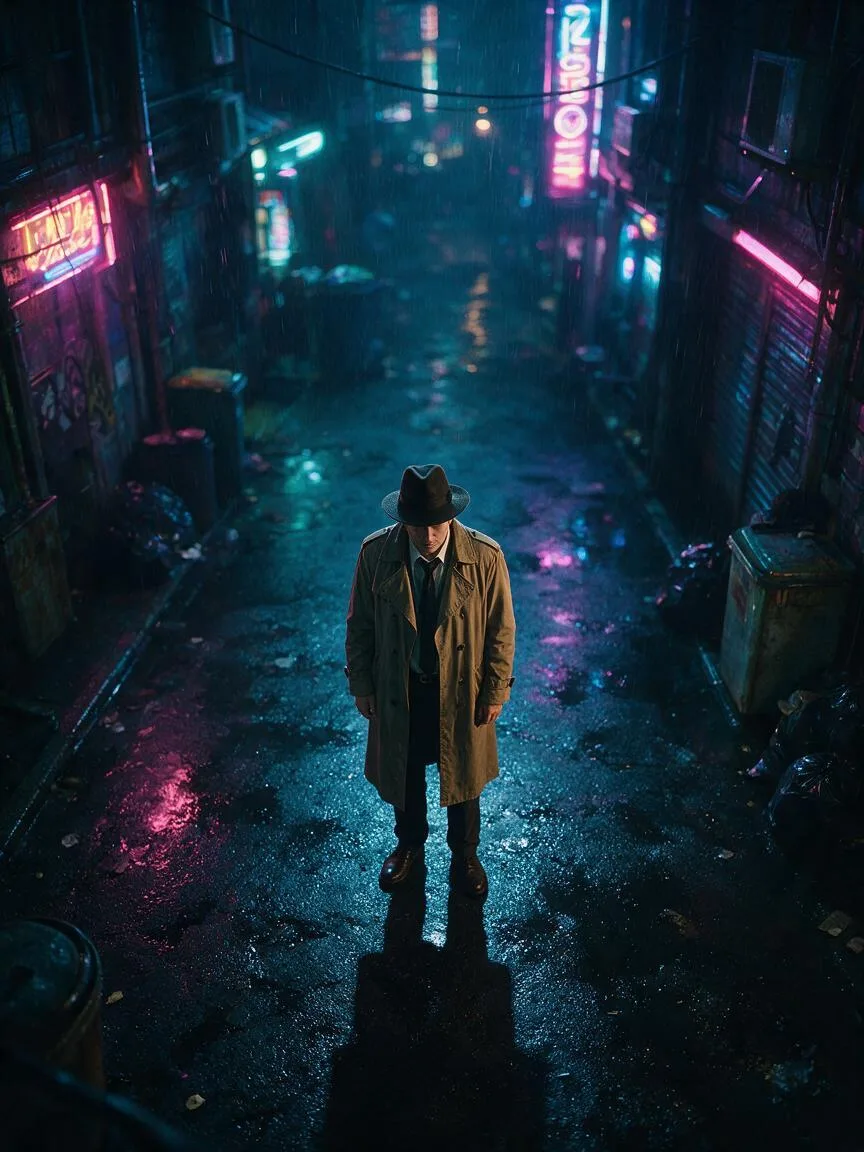
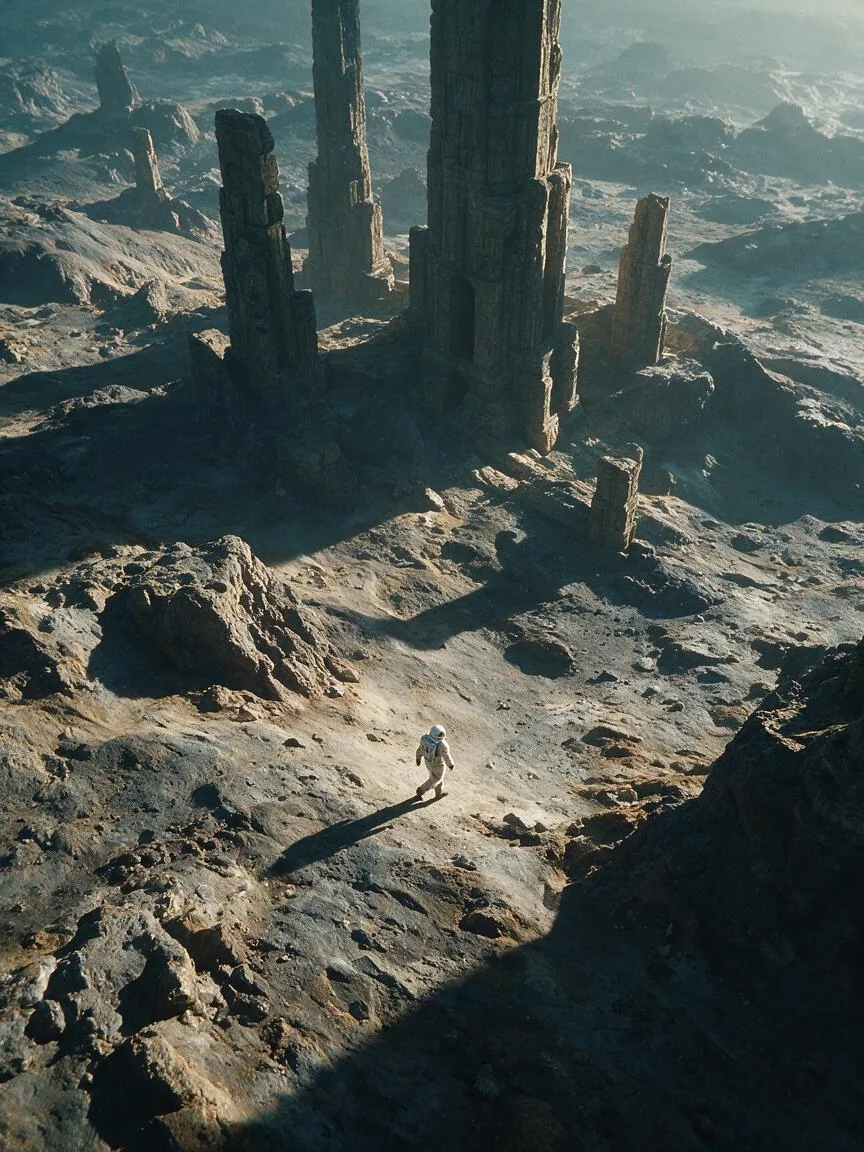
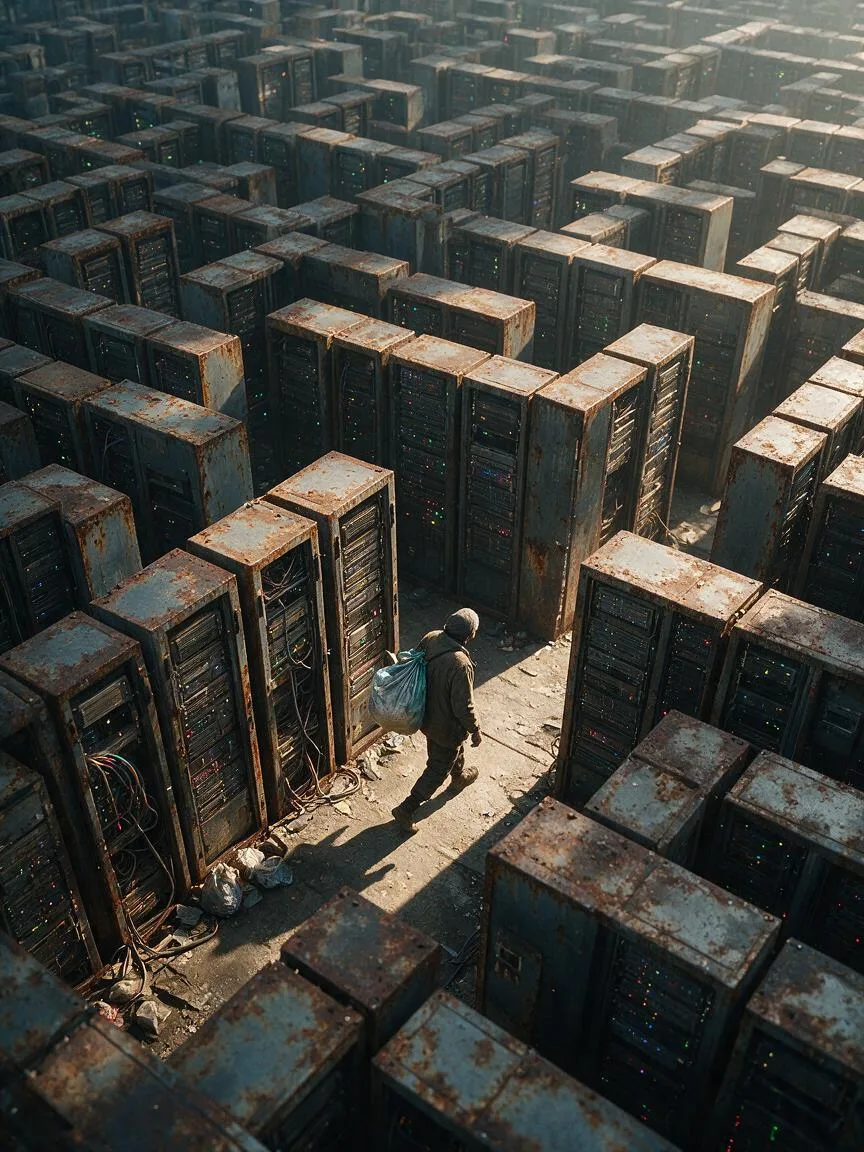
Composition & FramingThe camera is positioned higher than the subject and tilted downwards, often used to convey a sense of the subject's smallness or to reveal the full scope of the environment.
Also known as: High Angle · High Angle Perspective
- Midjourney
- Sora
- Kling
- Runway
Prompt snippets
A high angle shot of a lonely detective standing in a rainy neon-lit alley, looking small and vulnerable, cinematic lighting, cyberpunk aesthetic --ar 16:9High angle shot, a tiny figure walking across a vast, empty snowy landscape, leaving a single set of footprints, slow camera movement, cinematic, hyper-realistic.High angle shot, a detective in a trench coat walking alone through a neon-lit alley on a rainy night, the figure looking small and vulnerable, cinematic lighting, cyberpunk style.High angle shot looking down at a bustling city intersection, pedestrians moving like ants, dynamic motion blur, 4k, photorealistic.
What it is
A High Angle Shot refers to a perspective where the camera is positioned significantly higher than the subject and tilted downwards. It breaks away from the conventional Eye-level Shot, altering the psychological distance between the viewer and the subject.
Visual and emotional effect
Visually, a high angle compresses the subject’s proportions in the frame, making them appear small, while simultaneously revealing more of the surrounding environment. Emotionally, it is often used to imply the subject’s weakness, isolation, helplessness, or vulnerability. When combined with a minimalist environment, it can also create a strong sense of geometric beauty and spatial order.
When to use it
- Portraying character psychology: Expressing a character’s confusion, loss, or sense of powerlessness against their environment.
- Establishing spatial relationships: Showing the scale of a character relative to a vast surrounding environment, or presenting a complex scene layout.
- Special compositional needs: Combining Negative Space or Leading Lines to use the high angle to transform 3D space into geometric shapes with 2D aesthetic appeal.
Prompt tips
- Specify angle vocabulary: Use
high angle shot,high angle view, orlooking down at. For an extreme vertical perspective, replace these withbird's-eye vieworoverhead shot. - Emphasize proportional contrast: Add a sense of volume to the environment description in the prompt (e.g.,
vast desert,massive crowd) to contrast and highlight the subject’s smallness. - Combine with Shot Size control: To retain the environment, use a Wide Shot (
wide shot); to focus on the subject’s expression, use a Medium Shot (medium shot) to avoid losing facial details in a wide frame.
Common mistakes
Confusing a High Angle Shot with a vertical overhead shot (Bird’s-Eye View). A high angle shot typically features a 30° to 60° tilt, preserving the object’s three-dimensionality and perspective depth; a vertical overhead shot is exactly 90° downwards, which completely flattens the perspective and presents a purely 2D geometric effect. When generating with AI, simply writing high angle may randomly produce a tilted overhead view, so precise vocabulary control is necessary.