Golden Spiral
Golden Spiral Fibonacci Spiral Golden Ratio Composition Golden Section Composition
Composition & FramingA compositional rule based on the golden ratio, using a spiral line to guide the viewer's eye to the visual center (focal point).
Also known as: Fibonacci Spiral · Golden Ratio Composition · Golden Section Composition
- Midjourney
- Stable Diffusion
- Kling

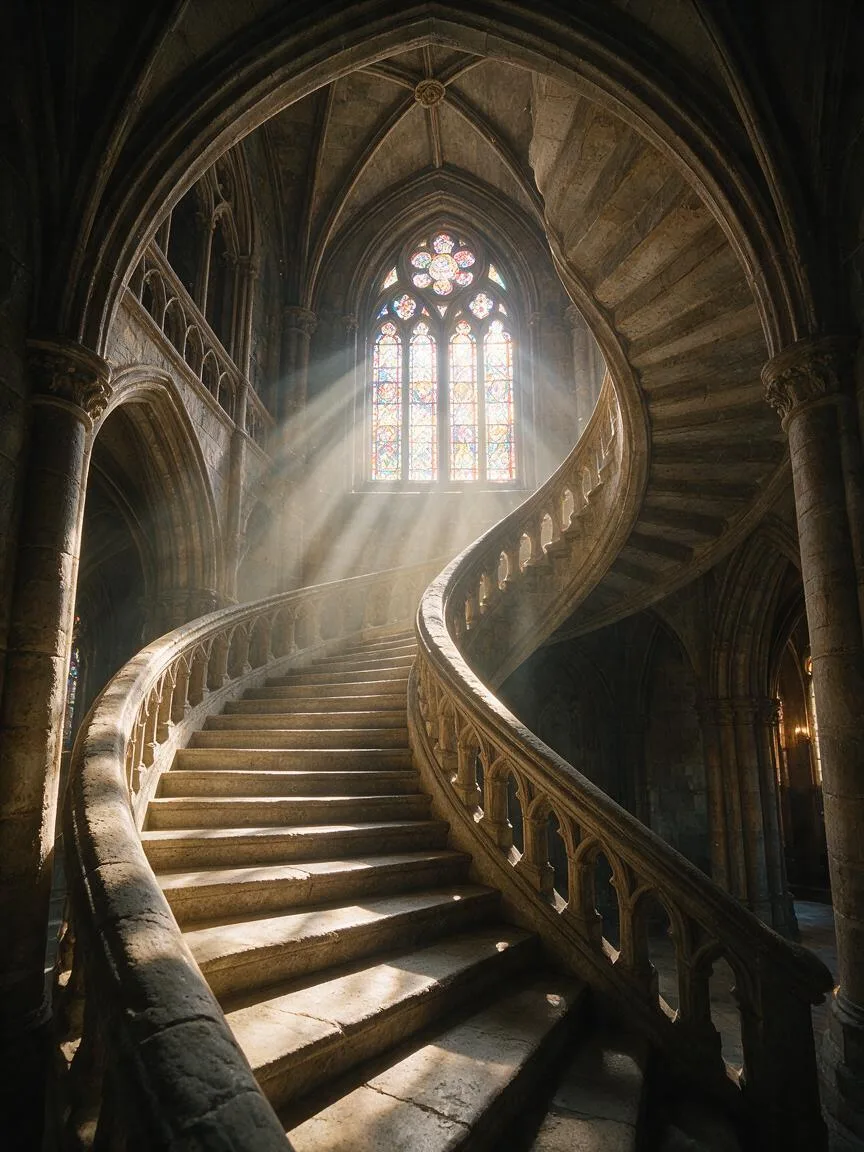
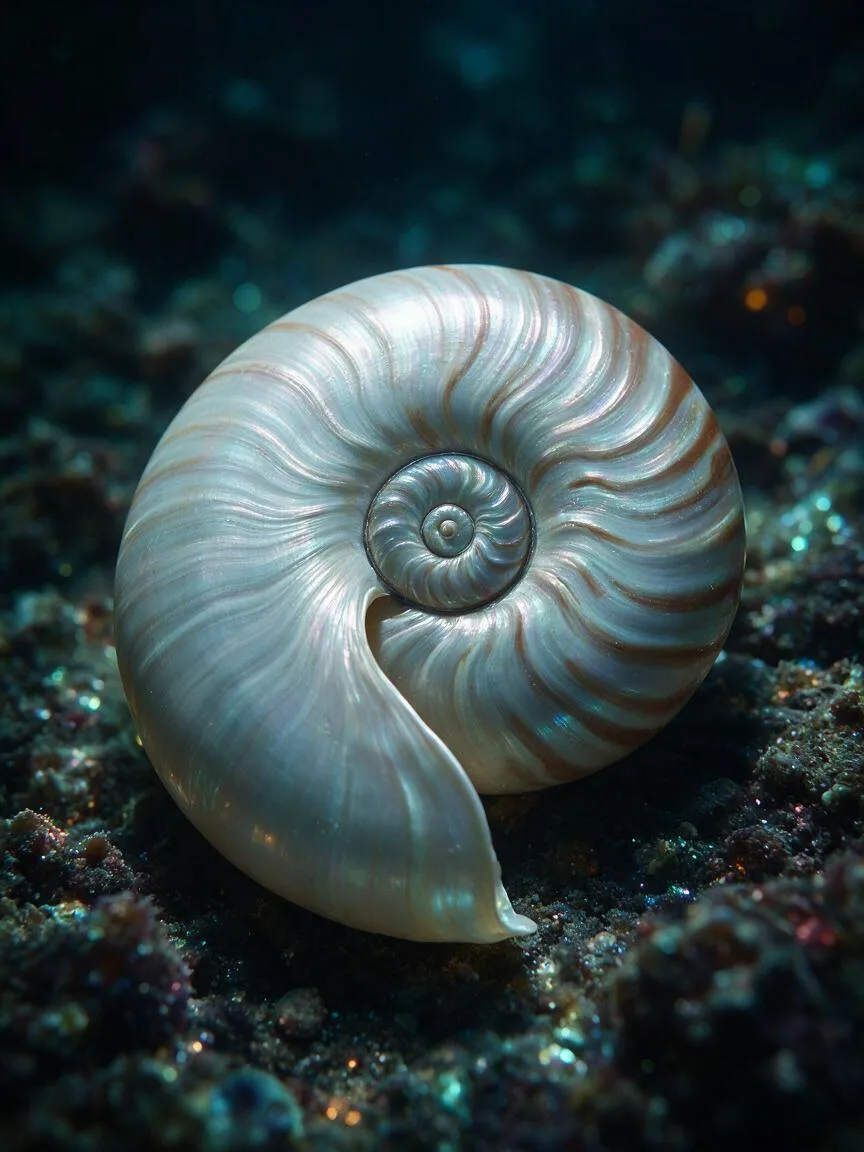
Prompt snippets
A majestic cinematic landscape, a lone lighthouse on a cliff, composed using golden ratio, dynamic flowing composition leading the eye to the lighthouse, golden hour lighting, highly detailed, photorealistic --ar 16:9masterpiece, best quality, 1girl, beautiful detailed eyes, looking at viewer, golden ratio composition, dynamic angle, spiral visual guide, sharp focus, cinematic lightingAn epic fantasy movie shot, a giant dragon coiled at the peak of an ancient snow mountain, composed using the golden spiral. The visual leading line winds from the glacier in the lower left corner of the frame to the dragon's eye in the upper right corner. The scene is full of oppression and grandeur, cinematic lighting, 8k resolution.
What it is
The Golden Spiral, also known as the Fibonacci Spiral, is a logarithmic spiral composition method derived from the golden ratio (approximately 1:1.618). It divides the frame into rectangles that conform to the golden ratio, with the spiral contracting from the outer edges toward the center. The focal point (the eye of the spiral) becomes the absolute visual center of the image. Compared to the straight-line intersections of the Rule of Thirds, the Golden Spiral provides a more dynamic and naturally aesthetic curved visual guide.
Visual and emotional effect
- Visual guidance: Gently and smoothly guides the viewer’s eye from the edges of the frame to the subject through soft curves, increasing viewing time.
- Nature and harmony: Because it is widely found in nature (e.g., nautilus shells, sunflowers, galaxies), it evokes a subconscious sense of harmony and beauty.
- Emotional expression: Compared to the solemnity of Center Composition or the rigidity of Symmetrical Composition, the Golden Spiral is more fluid, narrative, and artistically dynamic, making it suitable for expressing elegant, mysterious, or grand themes.
When to use it
- Landscape and architectural photography: Guide the viewer’s eye to distant mountain peaks, lighthouses, or architectural focal points.
- Portraits and Close-ups: Place the subject’s face or eyes at the focal point of the spiral to enhance the appeal of the gaze.
- Illustration and poster design: Clarify visual hierarchy in complex scenes, ensuring core information rests at the visual endpoint.
- Video camera movement: Combine with camera movement, such as using a Dolly In or Arc Shot along the spiral trajectory.
Prompt tips
In image generation tools, directly using golden spiral can easily cause the AI to draw actual spiral lines in the image. If you want the compositional effect without visible lines, emphasize composition terms and visual guidance; if you want visible spiral art, explicitly specify geometric lines.
- Hidden lines: Use
composed using golden ratio,dynamic flowing composition,leading lines converging to the center. - Visible lines: Use
golden spiral overlay,Fibonacci spiral geometry,mathematical composition,sacred geometry.
Common mistakes
- Mistake 1: Obvious spiral lines appearing in the image. If you write
golden spiralin the prompt, the AI might draw actual spiral patterns. If you only need the composition, usegolden ratio compositioninstead, or exclude lines using negative prompts. - Mistake 2: Incorrect subject placement. The focal point of the spiral is not necessarily the physical center of the frame, but offset according to the opening direction of the spiral. Specifying the subject’s position in the prompt (e.g.,
subject placed at the focal point of the spiral) helps the AI position it accurately.