Foreground Obstruction
Foreground Obstruction Foreground Framing Shot through
Composition & FramingA compositional technique that places partial obstructions in front of the main subject to enhance depth, create layered dimension, and evoke specific moods.
Also known as: Foreground Framing · Shot through
- Midjourney
- Sora
- Kling
- Runway
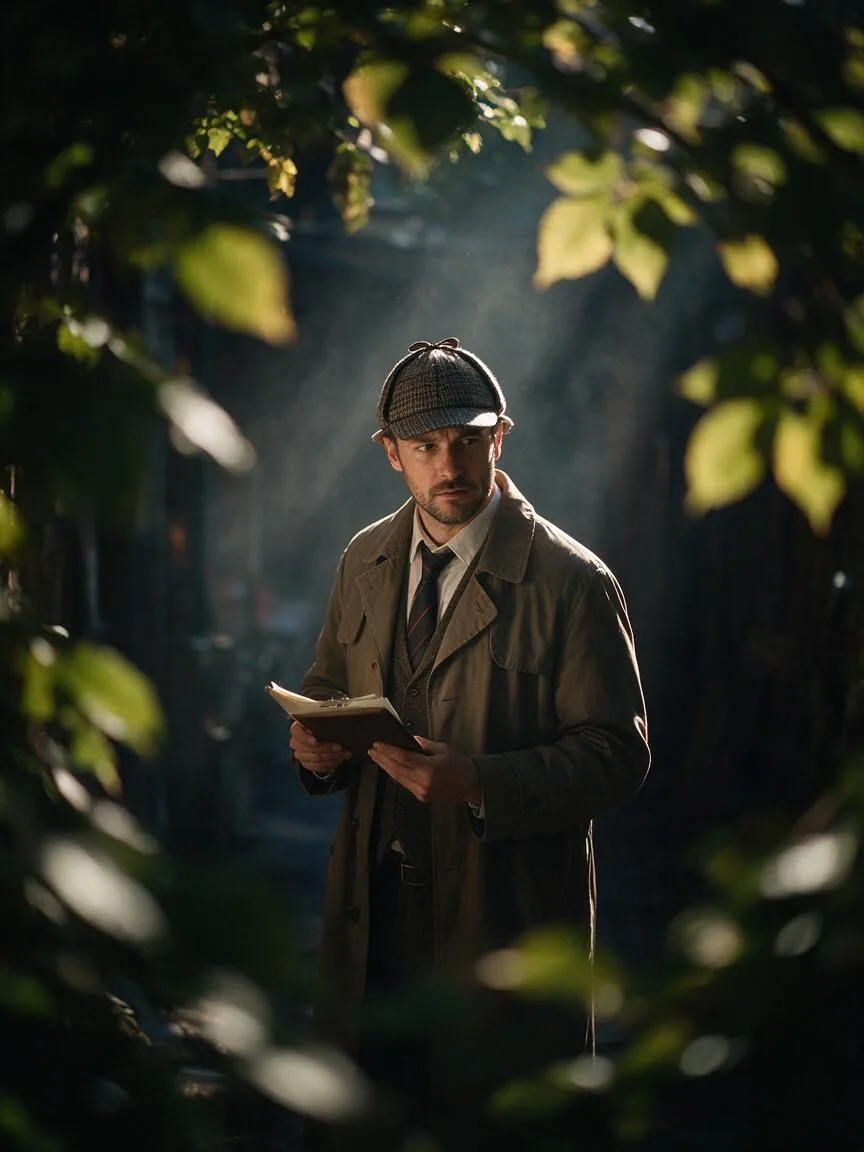
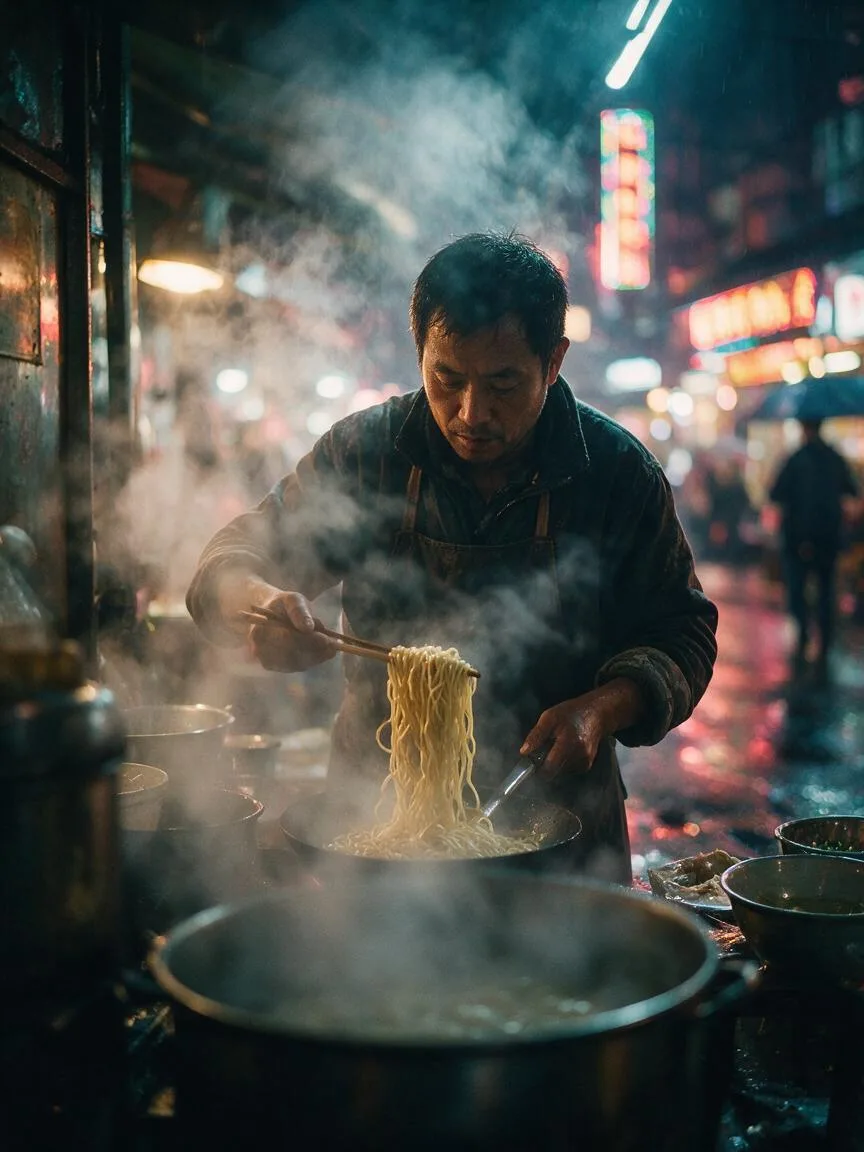

Prompt snippets
A cinematic portrait of a detective in a dimly lit alley, shot through the blurred leaves of a foreground tree, shallow depth of field, volumetric lighting, moody atmosphere --ar 16:9A slow dolly-in shot of a futuristic cyberpunk street, peeking through a cracked neon-lit window frame in the extreme foreground, creating a sense of voyeurism and depth, cinematic lighting, shallow depth of field.Cinematic shot, a woman in a trench coat walking in the rain, shot through blurred raindrops and leaves in the foreground, shallow depth of field to highlight the subject, background is a blurred neon-lit street, strong atmospheric feel, foreground obstruction composition.Camera pushes in slightly, a woman sitting at a cafe table, shot through the blurred out-of-focus coffee cup and sugar shaker in the extreme foreground, shallow depth of field, natural sunlight.
What it is
Foreground Obstruction is a compositional technique that intentionally places objects (such as leaves, door cracks, glass, or a character’s shoulder) between the camera and the main subject, keeping them out of focus or partially focused to create physical occlusion. It breaks the flatness of the image and is an effective way to build Z-axis spatial depth.
Visual and emotional effect
Spatial Depth: Clearly separating the foreground, midground, and background gives the 2D image a strong three-dimensional feel. Mood Creation: Using obstructions to create a sense of voyeurism, mystery, or isolation, bridging the psychological distance between the audience and the image. Visual Guidance: Using gaps or silhouettes in the foreground to form a visual frame, forcing the viewer’s eye to focus on the subject.
When to use it
When the image lacks depth and needs to break the monotony of a flat, eye-level perspective. When conveying voyeurism, concealment, suspense, or an immersive subjective point of view. When the shooting environment is cluttered, and you need to use the foreground (like blurred flowers or a blurred curtain) to hide background flaws and highlight the subject.
Prompt tips
- Specify foreground material and state: Use
shot through [foreground object]orpeeking through [foreground object]. - Emphasize optical effects: Must be paired with
blurred foreground,shallow depth of field, orbokeh; otherwise, the foreground will overpower the subject. - Control occlusion ratio: Use
extreme foregroundto imply the foreground only occupies the edges of the frame, preventing the subject from being completely blocked.
Common mistakes
- Foreground too sharp: Failing to apply depth of field blur, resulting in too many foreground details that steal focus from the main subject.
- Overpowering the subject: The foreground area is too large or too brightly colored, destroying the subject’s completeness and its position as the visual center.
- Logical disconnect: The foreground obstruction does not match the scene environment (e.g., outdoor leaves appearing indoors), breaking the realism of the image.