Symmetrical Composition
Symmetrical Composition Symmetry in Composition
Composition & FramingA compositional rule where visual elements are arranged in a mirrored or geometrically symmetrical pattern along a central axis or focal point, designed to create a profound sense of balance, order, and solemnity.
Also known as: Symmetry in Composition
- Midjourney
- Sora
- Runway
- Kling
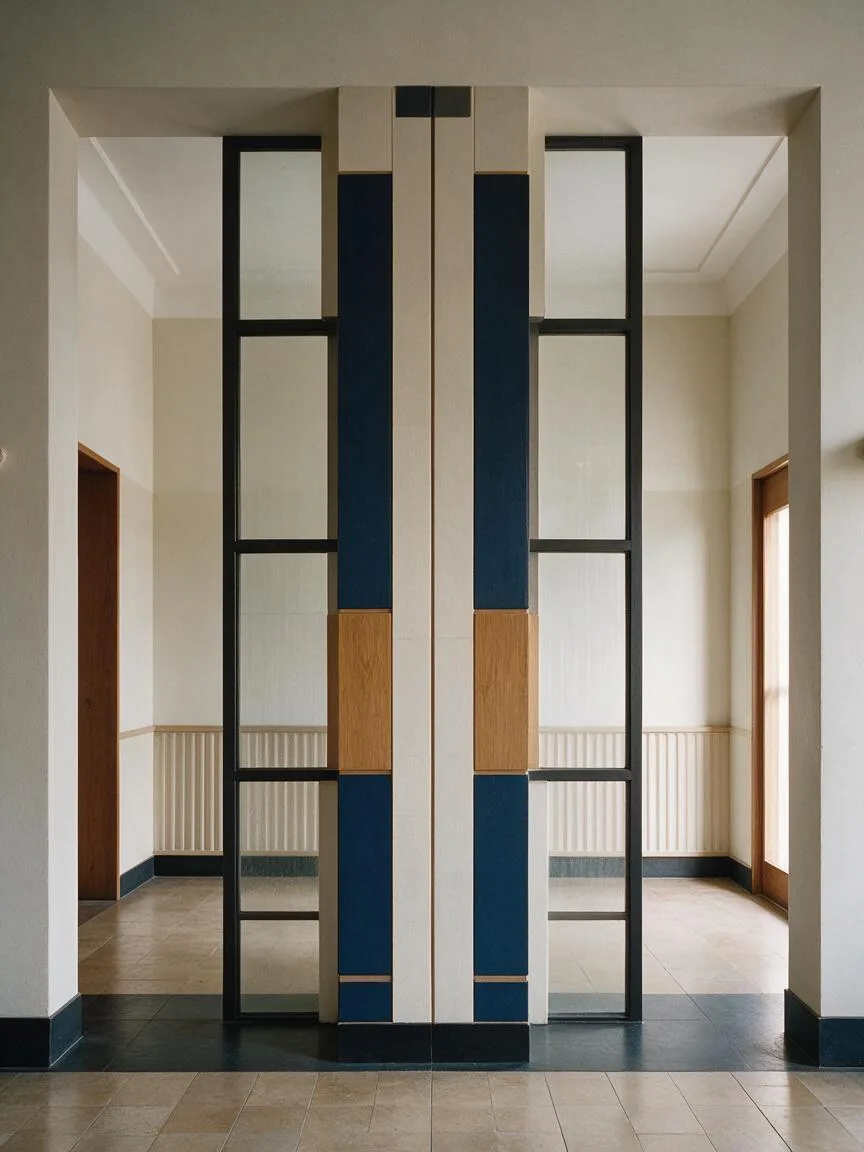
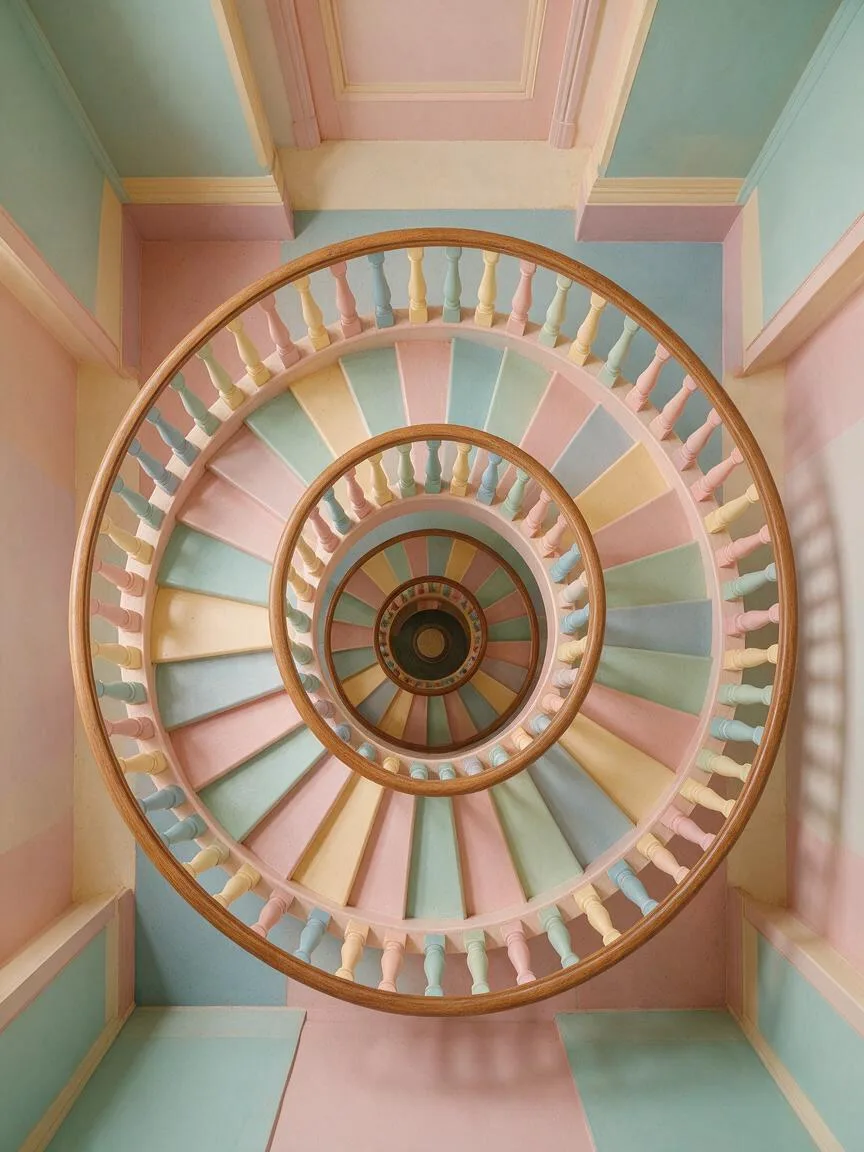
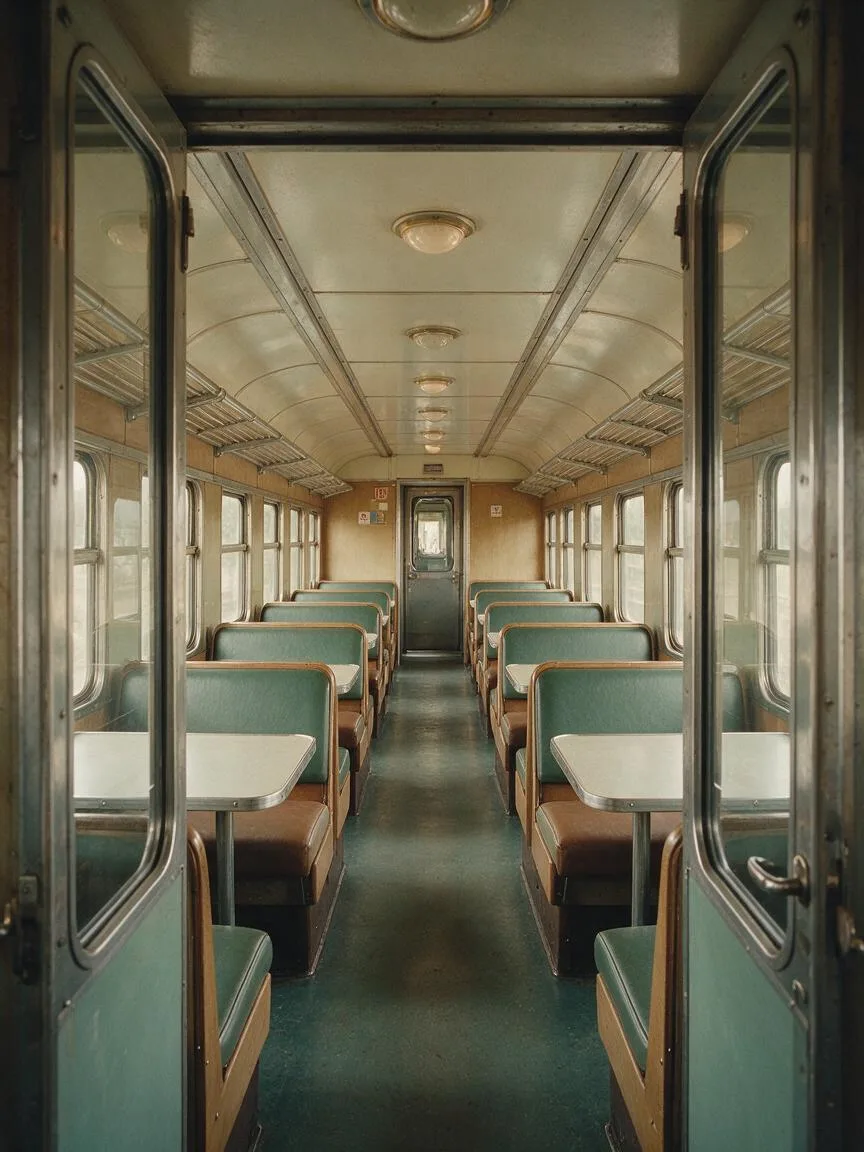
Prompt snippets
symmetrical composition, perfect bilateral symmetry, centered subject, architectural symmetry, highly ordered, Wes Anderson style, 8k resolution, photorealistic --ar 16:9symmetrical composition, perfect bilateral symmetry, centered subject, architectural symmetry, highly ordered, Wes Anderson style, 8k resolution, photorealistic
What it is
Symmetrical composition refers to the arrangement of visual elements along a vertical axis, horizontal axis, or central point, creating a mirrored or geometrically symmetrical layout. It is an advanced and ultimate expression of Center Composition, demanding absolute balance in visual weight and physical form between the left and right, or top and bottom halves of the frame.
Visual and emotional effect
Symmetry creates a strong sense of visual balance and stability. Vertical symmetry (left-right) often conveys solemnity, dignity, a ritualistic feel, or classical beauty; horizontal symmetry (top-bottom, like water reflections) evokes tranquility and an ethereal calm. In cinema (such as in the films of Stanley Kubrick or Wes Anderson), extreme symmetrical aesthetics can sometimes create a surreal, obsessive-compulsive visual style, even carrying subtle psychological undertones of oppression and the uncanny.
When to use it
Ideal for capturing classical architecture, modern interior design, corridors, tunnels, and other scenes with naturally symmetrical structures. It is also frequently used for highly ritualistic portrait close-ups, product still-life photography, or narrative shots that need to express absolute order, power, or a religious atmosphere. When a strong contrast with the dynamic feel of the Rule of Thirds is required, symmetrical composition is the best choice.
Prompt tips
Use direct instructions like symmetrical composition, perfect bilateral symmetry, and centered subject. When shooting architecture or interiors, add architectural symmetry. To reinforce a specific aesthetic, specify a director’s style, such as Wes Anderson style, Stanley Kubrick framing, or symmetrical Wes Anderson.
Common mistakes
First, when generating images with AI, models often struggle with strict geometric symmetry, resulting in “pseudo-symmetry” (e.g., mismatched window counts or asymmetrical facial features). These flaws must be corrected using Vary Region or Inpainting. Second, absolute symmetry can easily look stiff and lifeless. Excellent symmetrical compositions usually retain a small “visual breaking point” at the center or on one side (such as an object with a pop of contrasting color) to break the monotony and guide the viewer’s focal point.