Extreme Close-up
Extreme Close-up ECU Macro Shot
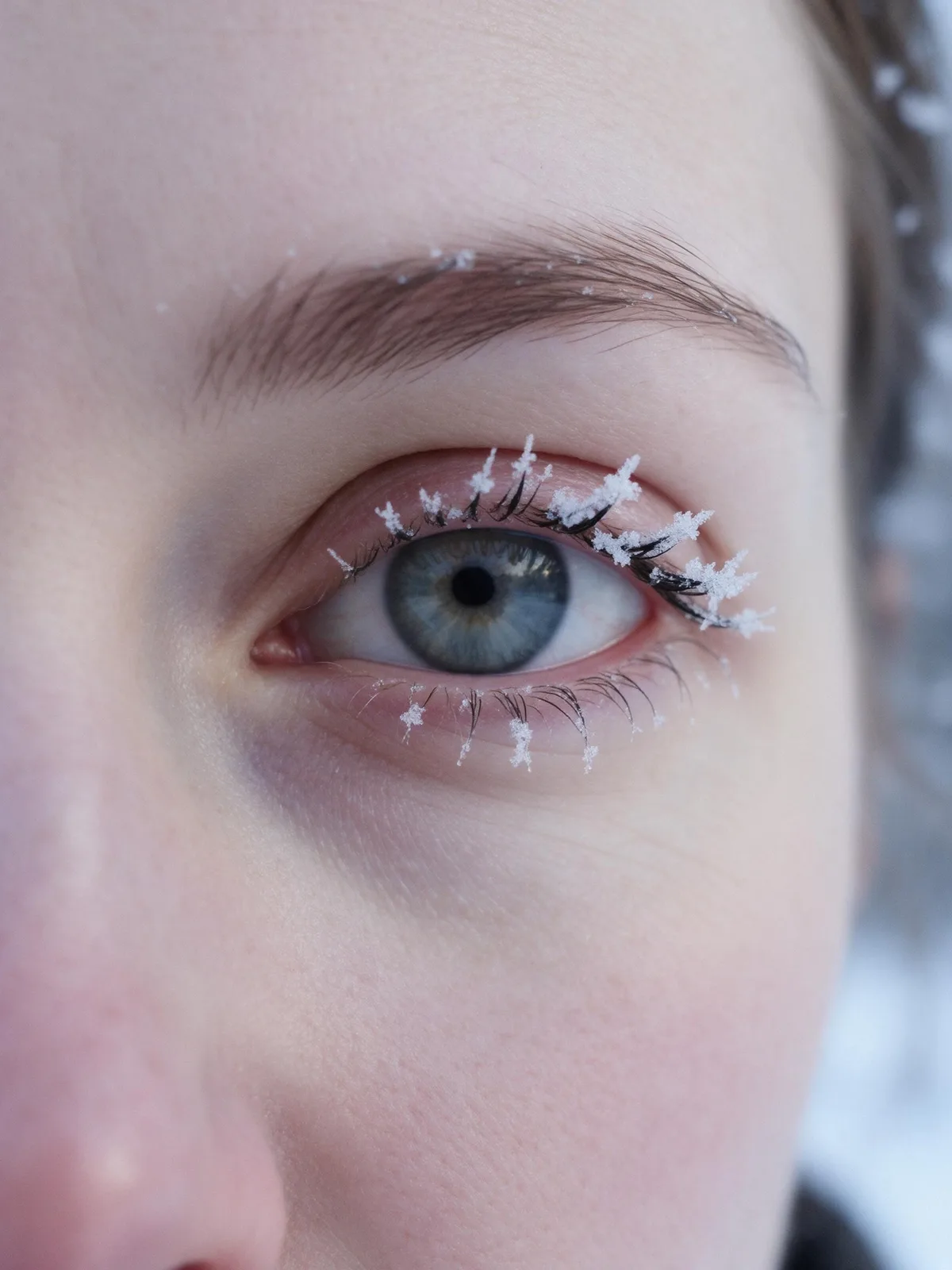
Composition & FramingAn Extreme Close-up (ECU) is an extreme shot size that frames only a tiny fraction of the subject (such as a single eye or product texture), almost entirely excluding background and environmental context.
Also known as: ECU · Macro Shot
- Midjourney
- Sora
- Kling
- Runway


Prompt snippets
Extreme close-up of a woman's eye, frost clinging to her eyelashes, pale winter skin tones, macro photography, shallow depth of field --ar 16:9Extreme close-up of a mechanical watch gear rotating slowly, metallic texture, sharp focus on the gear teeth, blurred background, cinematic lighting, 4k.Extreme close-up shot of an insect's compound eye, with clear hexagonal textures on the surface, reflecting a faint blue light, completely blurred background, macro photography texture, high definition.Extreme close-up of a drop of water falling onto a leaf, capturing the surface tension and ripples, slow motion, macro lens, sharp focus on the water drop, blurred green background.
What it is
An Extreme Close-up (ECU) is an extreme shot size that frames only a tiny fraction of the subject (such as a single eye, lips, product texture, or mechanical gear), almost entirely excluding background and environmental context.
Visual and emotional effect
By forcibly magnifying microscopic details, the extreme close-up creates a strong sense of visual pressure and immersion. In portraiture, it is often used to convey intense tension, fear, intimacy, or focus; in still life or product photography, it highlights material textures, creating an ultimate sense of micro-detail and premium quality.
When to use it
- Emotional climax: Capture micro-muscle twitches around the eyes or lips when a character experiences shock, realization, or emotional breakdown.
- Suspense and thriller: Create psychological pressure and a sense of the unknown through partial obstruction or magnifying unusual details.
- Texture showcase: In commercial photography, display jewel facets, leather textures, watch gears, or the gloss of food.
Prompt tips
- Define the specific area: Do not just write “close-up”; specify “extreme close-up of [specific area]”, such as “only the left eye” or “macro shot of a single water drop”.
- Emphasize optical properties: Extreme close-ups are highly prone to losing focus due to a shallow depth of field. Pair them with
sharp focus on [subject],macro lens, and8k resolutionto ensure crisp details. - Use lighting for shaping: Due to the lack of environmental context, rely on
rim lightorspecular highlightsto outline the three-dimensionality of the local area.
Common mistakes
- Confusing “Close-up” with “Extreme Close-up”: A close-up typically includes a full face or an entire object, whereas an extreme close-up must isolate only a specific part. If the AI generates a full face, reinforce local constraints like “only the iris”.
- Neglecting quality control: Extreme close-ups magnify all flaws. Without specifying
highly detailedormacro photography, the AI tends to generate blurry, heavily smeared, or overly noisy pseudo-details.