Shot Size
Shot Size Framing Shot Scale
Composition & FramingShot size refers to the framing scale of the subject within the image, used to control narrative distance and visual focus.
Also known as: Framing · Shot Scale
- Midjourney
- Sora
- Kling
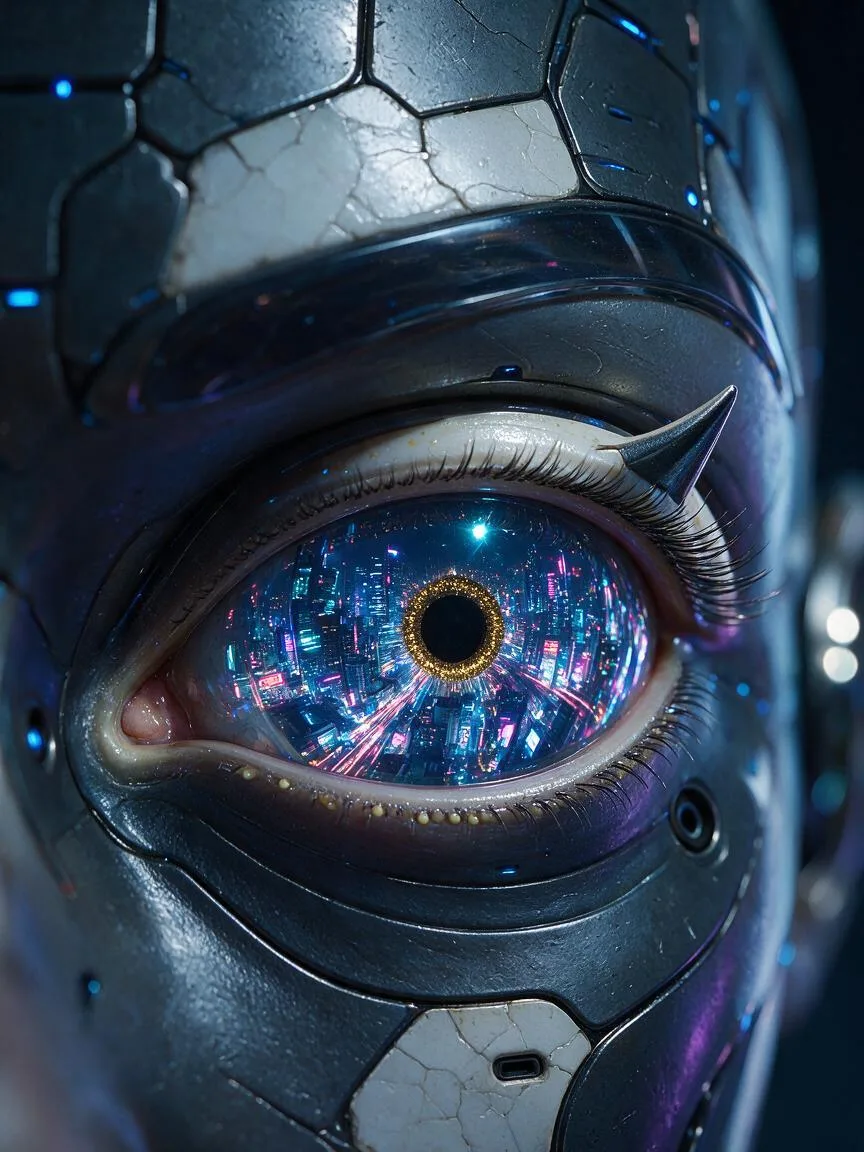
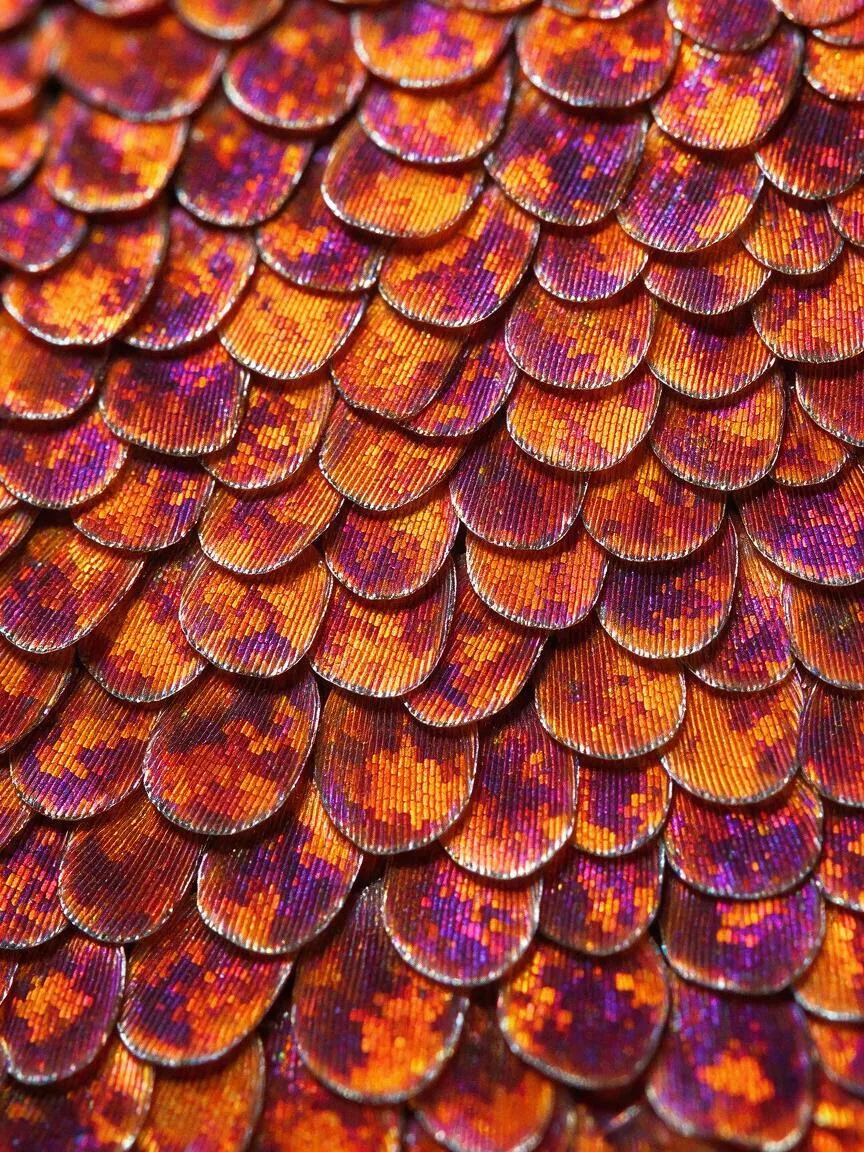

Prompt snippets
Extreme close-up of a cyberpunk android's eye, reflecting a neon city, macro photography, sharp focus on the iris, highly detailed --ar 16:9Medium shot of a detective walking through a rainy neon-lit alley, cinematic lighting, shallow depth of field, 4k resolution, slow motion.Wide shot of a girl wearing Hanfu standing at the foot of a vast snow-capped mountain, golden sunlight illuminating the peaks, epic scale, cinematic lighting, 8k resolution.
What it is
Shot size refers to the extent of the subject visible in the frame, determined by the distance between the camera and the subject. In film and photography, it is typically divided into five basic categories: Extreme Long Shot, Wide Shot, Medium Shot, Medium Close-up, and Close-up. Fundamentally, it is the visual projection of physical distance or lens focal length onto a two-dimensional plane.
Visual and emotional effect
Shot size directly determines the viewer’s “psychological distance” from the image. An Extreme Long Shot establishes grand environments and spatial relationships. A Wide Shot reveals the full subject and its interaction with the surroundings. A Medium Shot closely mimics the human eye level during daily conversation, making it ideal for storytelling. A Medium Close-up isolates the subject from the environment to focus on facial expressions and emotions. A Close-up magnifies localized details to the extreme, delivering strong visual impact and psychological intensity.
When to use it
In AI generation, explicitly specifying the shot size is the most effective way to control composition and visual focus. When generating portraits, product details, or grand scenes, accurate shot size prompts prevent the AI from randomly cropping the image, which can cause missing subject parts, distorted proportions, or shifted focus.
Prompt tips
- Image tools: Place standard shot size terms directly before the subject description (e.g.,
Extreme close-up), and pair them with focal lengths (e.g.,85mm lens) or depth of field (shallow depth of field) to enhance spatial depth. - Video tools: Lock the initial shot size before describing the action (e.g.,
Medium shot). If a shot size change is needed, combine it with camera movement instructions (e.g.,Camera slowly dollies in to a close-up).
Common mistakes
- Confusing shot size with camera angle: Shot size controls the “distance and scale” of the frame, while camera angle (e.g., Low Angle Shot) controls the “vertical height and tilt” of the camera. These are independent dimensions that can be combined.
- Stacking contradictory terms: Using
Extreme close-upandFull body shotsimultaneously in a prompt will cause the AI to fail in understanding spatial logic, resulting in structurally broken images.