Monochromatic
Monochromatic Monochrome Single Hue
Color & GradingA color rendering technique that builds an entire image using only a single hue and its variations in lightness and saturation.
Also known as: Monochrome · Single Hue
- Midjourney
- Runway
- Sora
- Kling
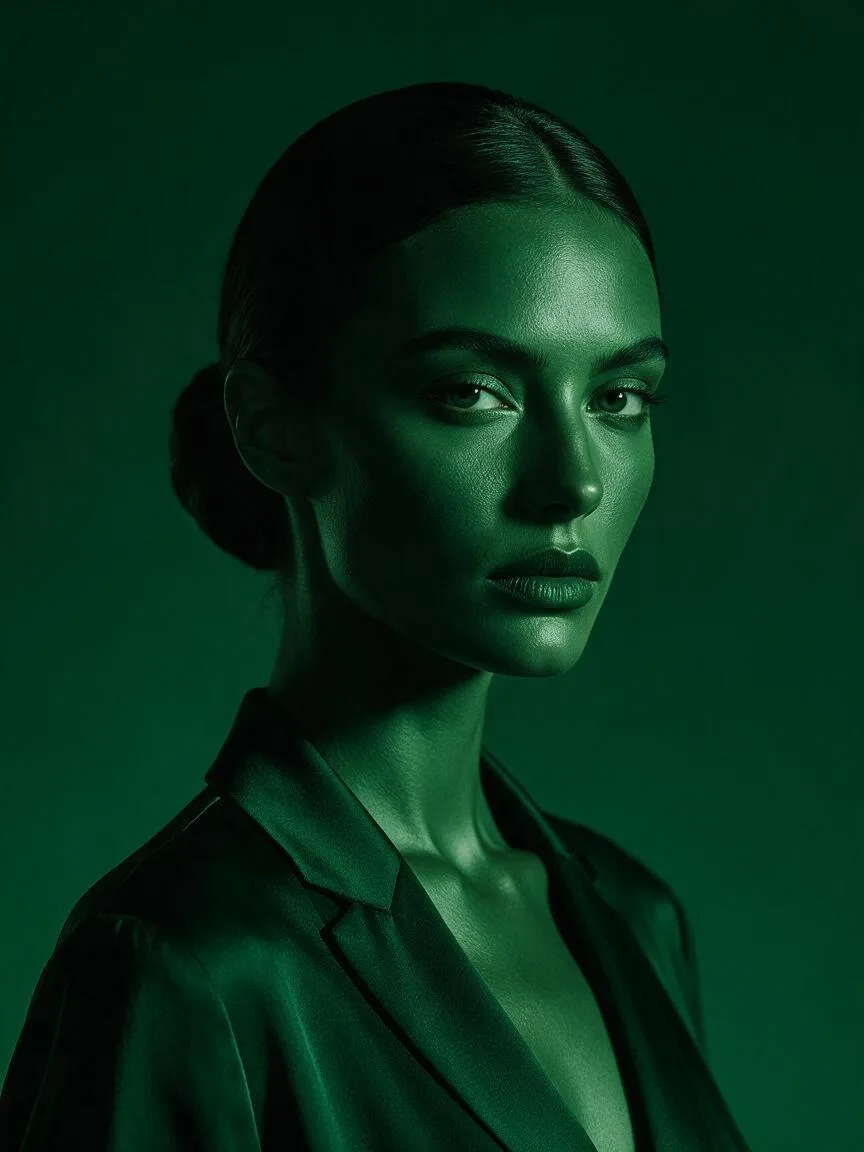
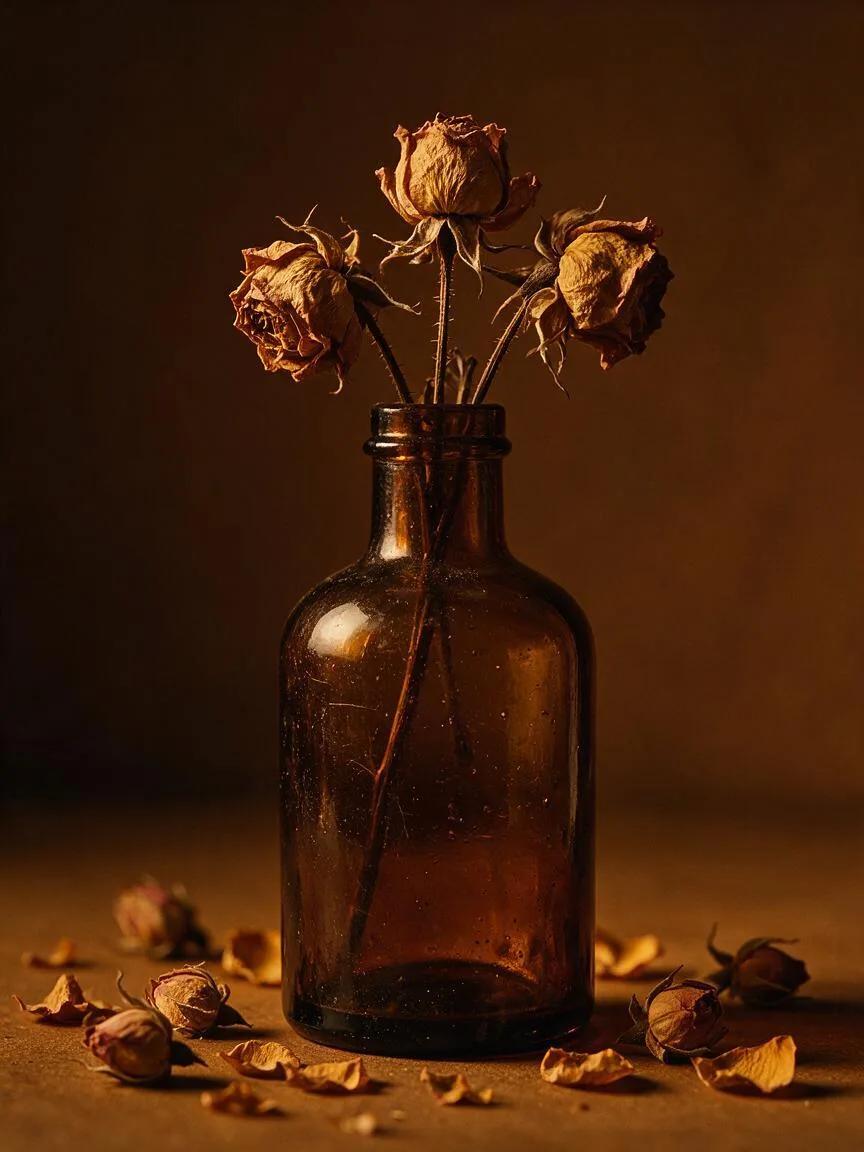
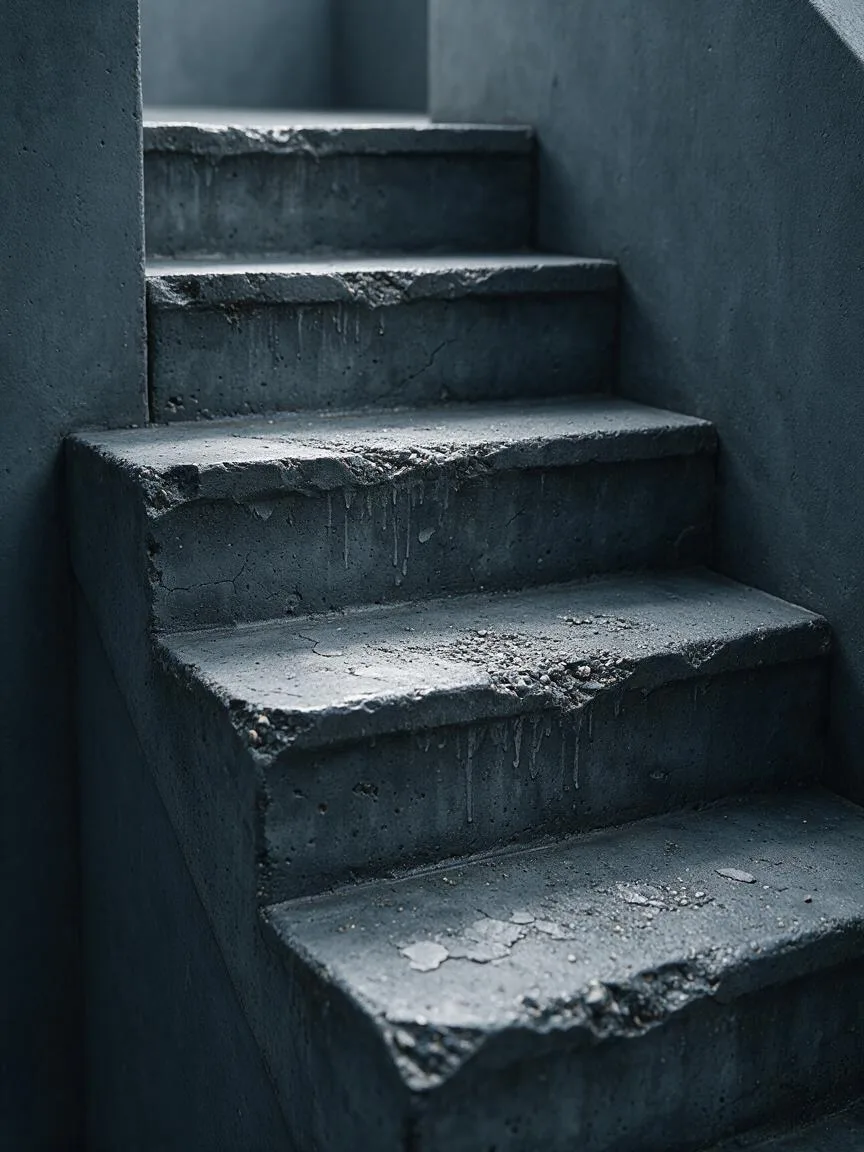
Prompt snippets
A monochromatic portrait of a woman in deep shades of emerald green, cinematic lighting, highly detailed textures, minimalist background, 8k, photorealistic --ar 16:9Monochromatic blue color palette, a lone figure walking in a foggy forest, varying shades of navy and cyan, cinematic lighting, slow camera pan.A monochromatic red cityscape at dusk, all buildings and streets rendered in varying shades of crimson and dark red, neon signs glowing in bright red, cinematic lighting, highly detailed.Monochromatic image, primarily deep blue, showing the back of an astronaut on the lunar surface. Use varying lightness and saturation to create depth, minimalist, cinematic lighting, high quality.
What it is
Monochromatic refers to an image containing only a single hue, creating depth through variations in lightness and saturation. It strips away the distraction of multiple hues, focusing attention entirely on the mood, lighting, and texture of that single color. Black and white (grayscale) is its extreme subset.
Visual and emotional effect
It delivers ultimate visual unity and a sophisticated aesthetic. The absence of color conflict naturally shifts focus to composition, texture, and the subject’s mood. A deep blue monochromatic palette often conveys melancholy or a tech aesthetic, dark red suggests oppression or intensity, while low-saturation monochromatic schemes create a calm and restrained atmosphere.
When to use it
When you need to emphasize form, texture, and lighting rather than color itself; when creating a minimalist, pure, or psychologically suggestive atmosphere; or when the core subject must stand out absolutely, preventing background colors from stealing focus.
Prompt tips
Use monochromatic followed by a specific color, such as monochromatic shades of emerald green. You can add single color palette to reinforce the effect. Avoid introducing descriptions of other colors in your prompt to prevent the AI from mixing in stray hues.
Common mistakes
A common misconception is equating monochromatic with black and white photography. Black and white is merely an extreme case lacking hue, whereas monochromatic includes rich color variations. Another mistake is allowing environmental color casts (such as yellow light bleeding into a blue scene) to ruin the effect; use strictly monochromatic to constrain the AI.