Material Close-up
Material Close-up Macro Product Photography Detail Close-up Texture Close-up Macro Still Life Photography
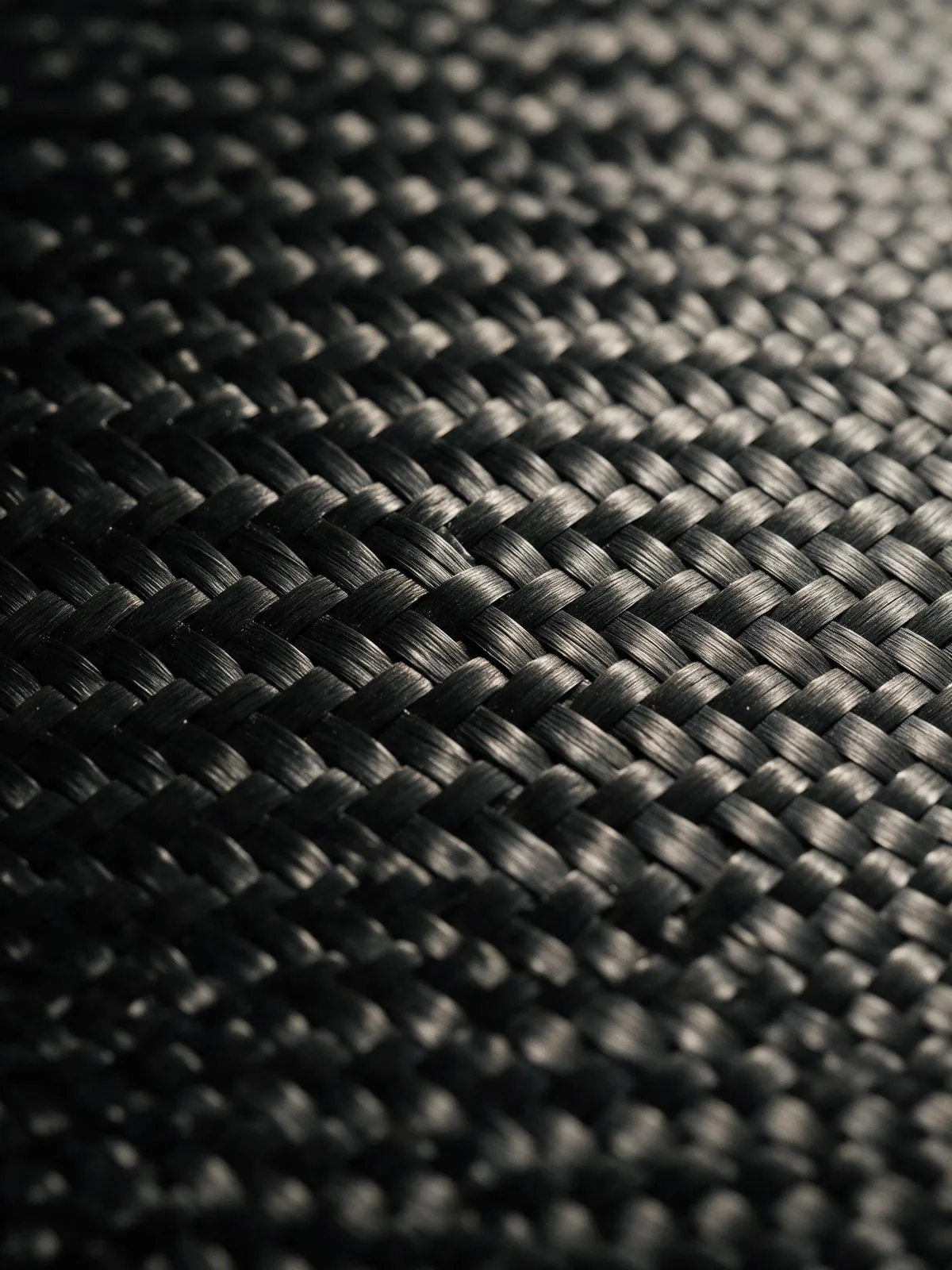
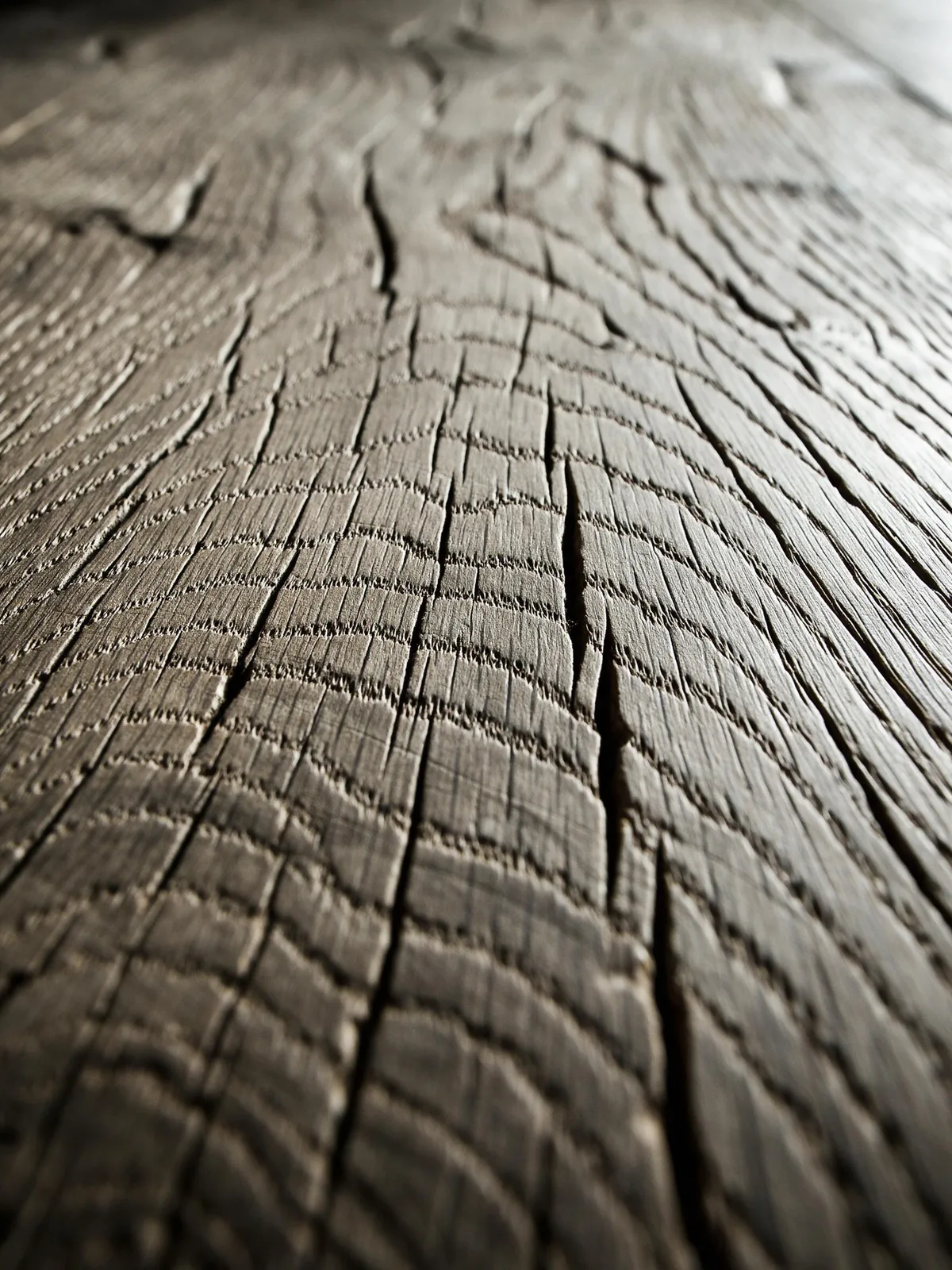
Product PhotographyA photography technique that uses a macro lens to capture product surfaces at an extremely close range, magnifying material textures, sheen, and craftsmanship details to highlight product quality.
Also known as: Macro Product Photography · Detail Close-up · Texture Close-up · Macro Still Life Photography
- Midjourney
- Flux
- Dreamina

Prompt snippets
macro material close-up of a pebbled leather watch strap with fine stitching, hard raking side light revealing every bump of the grain, very shallow depth of field, desaturated tones, no text --ar 4:5 --style rawA macro close-up of a pebbled leather watch strap and its fine stitching. Hard light rakes across the surface from the side so every bump of the grain casts a tiny shadow, and only a thin strip is in focus. Desaturated tones, no text.Macro material close-up, pebbled leather watch strap with fine stitching, low-angle hard light raking from the side, every texture bump casting a shadow, extremely shallow depth of field, desaturated tones, no text.
How this look is built
Open in the builder ›An ad look is not one style word but the combination below. Opening it fills the matching slots; the subject is yours to write.
- CompositionShallow Depth of FieldKeep only a small patch of texture in the focal plane, blurring everything else.
- LightingHard LightHard light rakes across the surface at a low angle, casting shadows to reveal the relief of the texture.
- ColorLow SaturationLower the saturation to keep the focus on the texture rather than the color.
What it is
Material close-up is a photography technique that uses a macro lens to capture product surfaces at an extremely close range, focusing entirely on the product’s surface. It strips away the overall outline and focuses on magnifying microscopic physical properties such as leather grain, brushed metal, or glass refraction.
Visual and emotional effect
Visually, it presents extremely high definition and delicate lighting and shadows, making every detail visible. Emotionally, macro magnification conveys a refined and premium visual cue, building consumer trust in quality through the persuasive power of extreme detail.
When to use it
Suitable for scenarios that emphasize exquisite materials and craftsmanship. Examples include beauty (showcasing the moisture of creams or the matte finish of bottles), 3C electronics (showcasing metal chamfers), bags (showcasing leather pores), or food and beverages (showcasing crispy surfaces).
Prompt tips
- Lock the perspective: Use
macro photography,100mm macro lens. - Detail the material: Describe physical states, such as
brushed aluminum texture,pebbled leather grain. - Shape the lighting: Add
studio lighting,soft rim lightto enhance the three-dimensional feel.
Common mistakes
Mistake 1: Ignoring depth of field. Macro photography easily results in an overly shallow depth of field; specify f/8 aperture to ensure the core texture remains sharp.
Mistake 2: Lighting is too flat. A lack of side or backlighting will cause textures to lose their three-dimensional feel and look messy; deliberately arrange Rim Light.