Hard Light
Hard Light Direct Light Hard Lighting Harsh Light
LightingA highly directional light quality with sharp shadow edges and strong light-to-dark contrast, typically produced by a point light source or distant direct light.
Also known as: Direct Light · Hard Lighting · Harsh Light
- Midjourney
- Sora
- Kling
- Runway
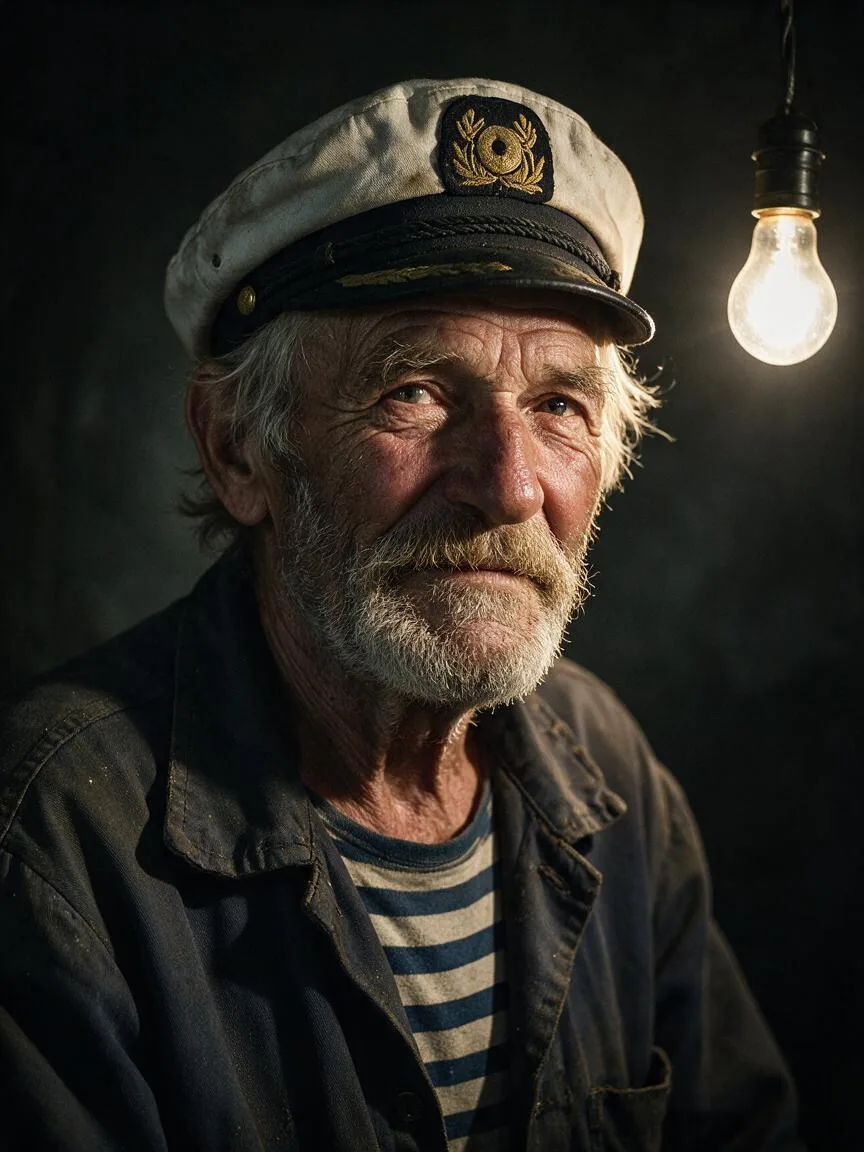
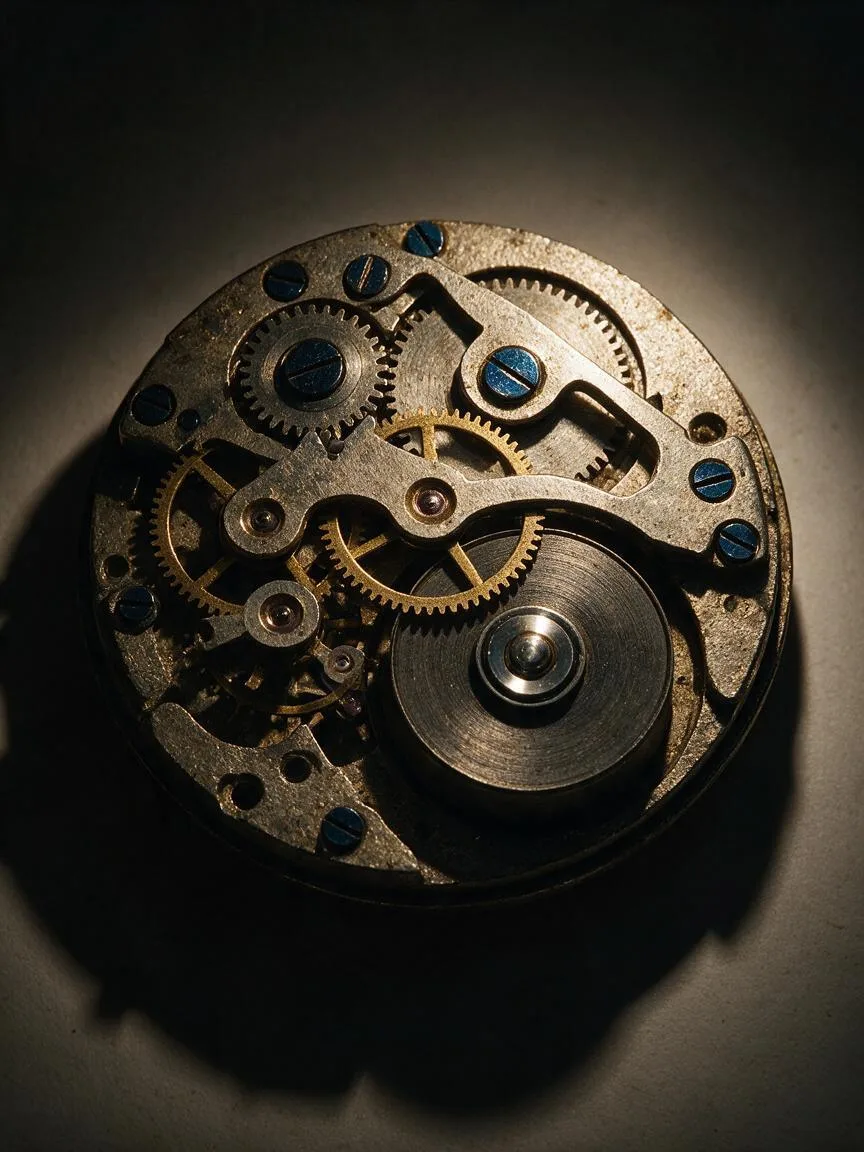
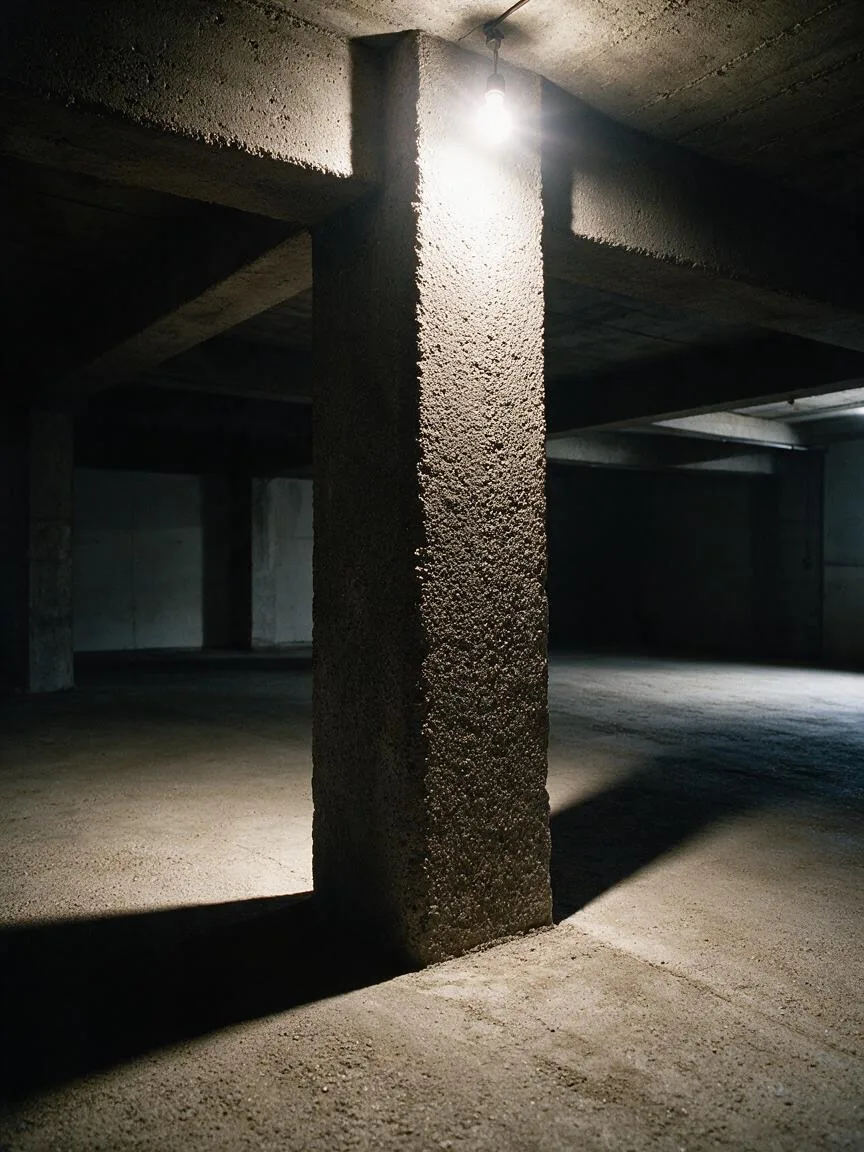
Prompt snippets
A portrait of an old sailor, illuminated by harsh hard light from a single bare bulb, sharp deep shadows, high contrast, gritty texture, cinematic lighting --ar 16:9A cinematic tracking shot in a dystopian alleyway. Harsh direct sunlight cuts through the narrow gap between buildings, casting sharp, well-defined shadows on the wet pavement. High contrast, dramatic hard lighting.A close-up of a figure wearing a black leather jacket, illuminated by intense, harsh midday sunlight from the upper side, casting deep shadows with sharp edges. Extreme contrast between light and dark, highlighting the rough texture of the leather, cinematic hard lighting.Cinematic close-up of a metallic sculpture. Hard light from a spotlight creates sharp, high-contrast shadows, emphasizing the rigid edges and cold texture of the metal.
What it is
Hard Light refers to light produced when the light source has a small surface area relative to the subject or is placed far away. Its physical characteristic is highly directional light; when it hits an object, the boundary between the lit and unlit sides is distinct, shadow edges are sharp, and the transition area between light and dark is minimal. Typical hard light sources include direct midday sunlight, bare bulbs without softboxes, and spotlights.
Visual and emotional effect
Hard Light creates extremely high contrast between light and dark, giving the image a strong sense of drama, power, and coldness. Sharp shadows can amplify the surface texture and geometric contours of objects, creating a rugged, mysterious, or minimalist atmosphere. In portrait photography, hard light exposes skin imperfections but is often used to shape resolute, weathered, or highly distinctive characters.
When to use it
Use it when you need to emphasize the geometric contours of an object, showcase rough materials (like metal, rock, or leather), or create styles such as suspense, film noir, or Cyberpunk. In video creation, hard light is often used to express tense conflicts or reinforce the harshness of the environment.
Prompt tips
Do not just write “hard light”; describe the specific light source and shadow characteristics. For example, use phrases like “harsh midday sun,” “single bare bulb,” or “narrow spotlight.” Pair these with “sharp shadows,” “high contrast,” or “clashing light and dark” to reinforce the effect.
Common mistakes
- Confusing light intensity with light quality: High luminous flux does not mean it is hard light. A large softbox, even at maximum brightness, still produces soft light with soft edges. The core of hard light lies in the small relative size of the light source.
- Overusing hard light for portraits: Unless you are deliberately pursuing a rough, realistic look, directly shooting portraits with hard light can easily create excessively heavy eye bags or nose shadows, ruining the skin texture.