Low-Key Lighting
Low-Key Lighting Low-key light
LightingA high-contrast lighting style where the frame is mostly engulfed in deep shadows, leaving only specific areas of the subject illuminated. It shapes volume and atmosphere through extreme contrast between light and dark.
Also known as: Low-key light
- Midjourney
- Sora
- Kling
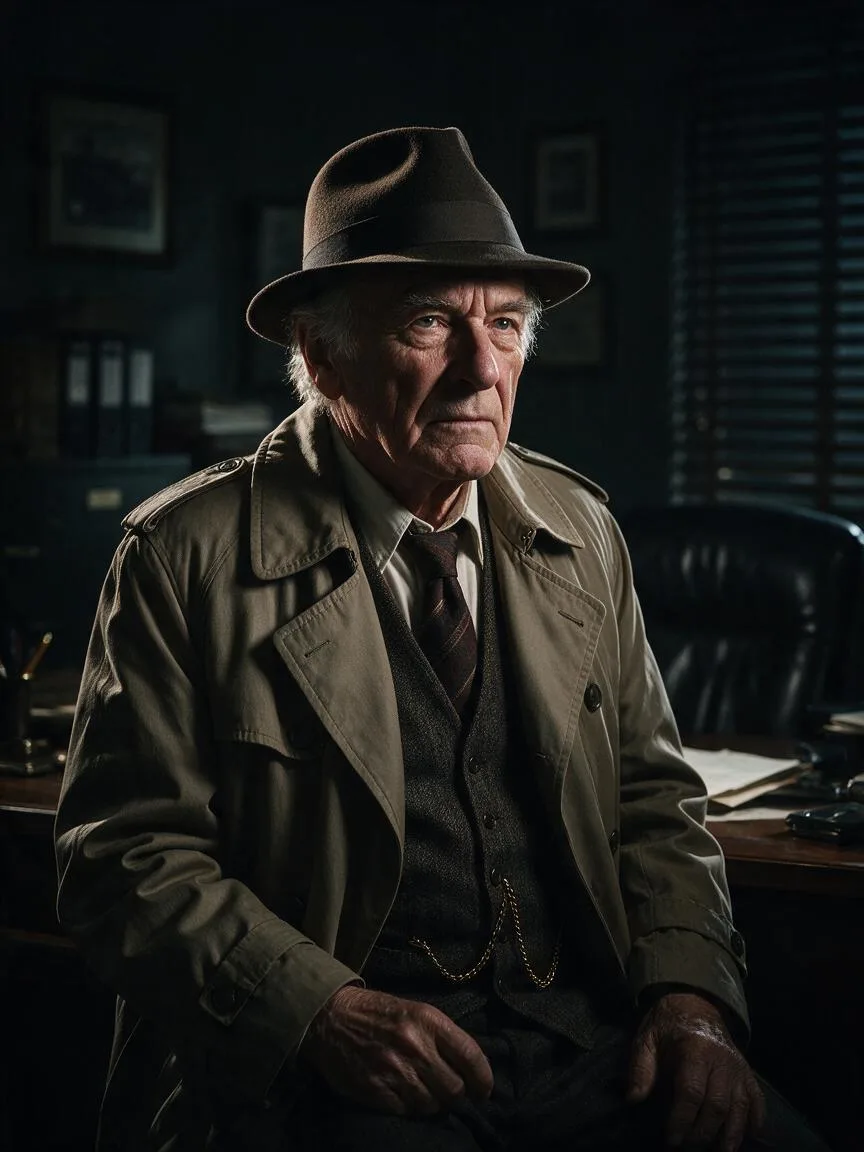
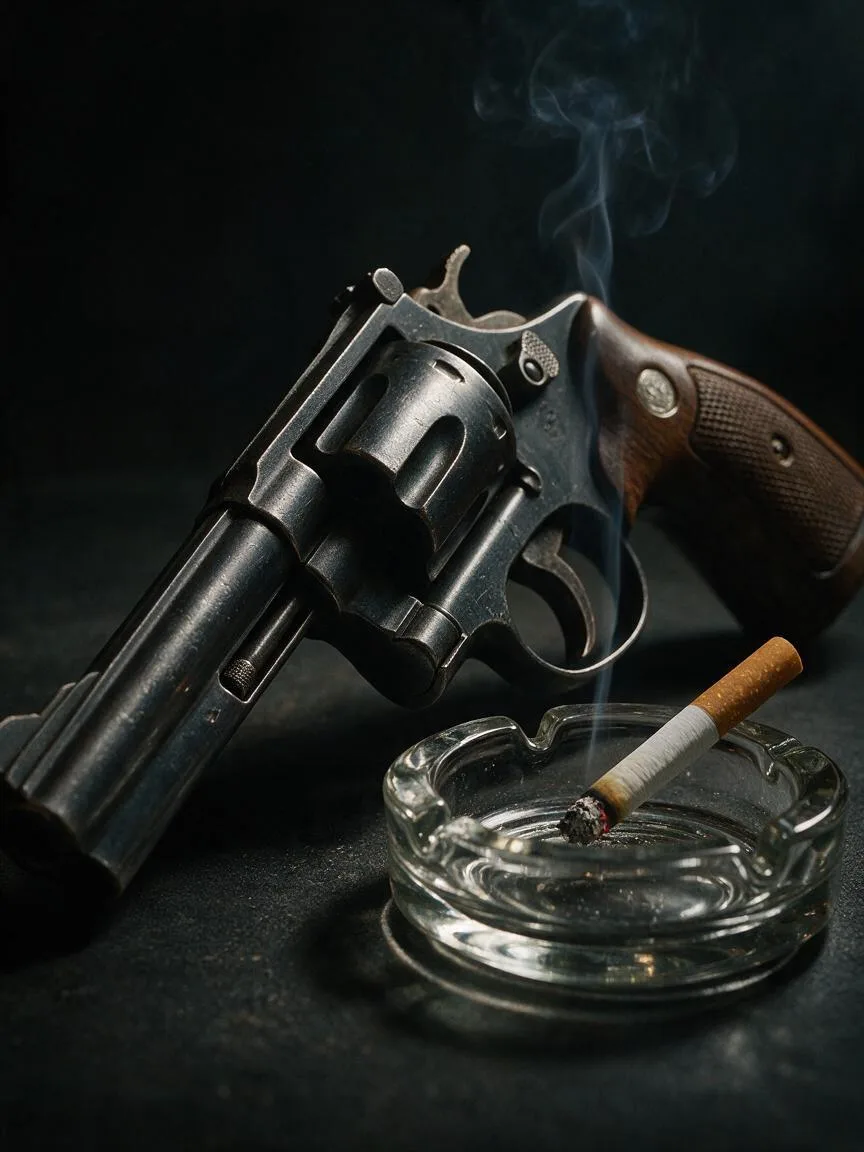
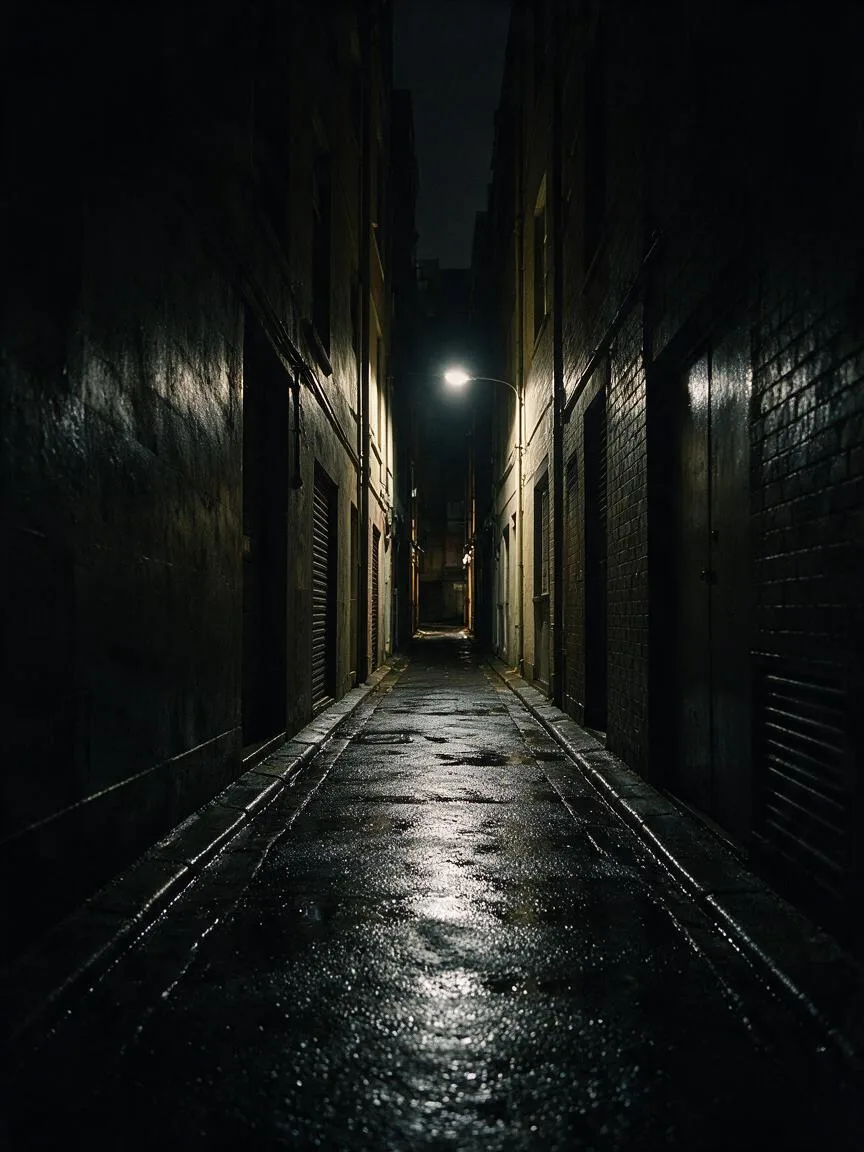
Prompt snippets
A cinematic portrait of an old detective in a dimly lit office, low-key lighting, deep shadows, high contrast, chiaroscuro, film noir style, dramatic atmosphere, 8k resolution --ar 16:9 --style raw --v 6.0A cinematic shot of a lone figure walking through a foggy, dimly lit alleyway. Low-key lighting creates deep, elongated shadows. The only light source is a single flickering streetlamp casting a harsh, directional beam. High contrast, moody and mysterious atmosphere, photorealistic, 4k.Cinematic close-up of a detective in a trench coat in a dimly lit interrogation room, low-key lighting, deep shadows covering most of the frame, high contrast, sharp light-to-shadow transitions, film noir style, dramatic atmosphere, highly textured.
What it is
Low-key lighting is a lighting approach dominated by dark tones. Shadows occupy the absolute majority of the frame (typically over 70%), with only the subject’s key contours or local details illuminated. Rather than revealing global details, it guides the visual focus by concealing information.
Visual and emotional effect
This lighting creates extreme light and shadow contrast (High Contrast). Visually, it strongly outlines the volume and edges of the subject; emotionally, it naturally conveys a sense of mystery, suspense, melancholy, danger, or a tough, gritty vibe. It is the signature visual language of Film Noir and thrillers.
When to use it
- When you need to create a tense, mysterious, or somber narrative atmosphere.
- When the background is cluttered and you need to hide it using large areas of shadow to make the subject stand out.
- When expressing a character’s internal complexity, struggle, or hidden identity.
Prompt tips
- Core vocabulary: Explicitly state
low-key lighting, supplemented byhigh contrast,deep shadows, andchiaroscuro. - Restrict ambient light: Add
dimly litorsingle light sourceto prevent the AI from auto-filling global ambient light, which tends to brighten the image. - Style anchoring: Include style words like
film noirorneo-noirto more accurately lock in the dark color palette.
Common mistakes
- Mistake 1: Shadows mean pure black. Excellent low-key lighting retains rich grayscale gradients and details in the shadows, rather than featureless pure black (crushed blacks). Add
shadow detailsto your prompt to preserve shadow texture. - Mistake 2: Low-key lighting equals night scenes. Low-key lighting is a light-ratio control technique. Light leaking through window blinds during the day can equally create a strong low-key lighting effect.