Mirror Reflection
Mirror Reflection Reflective Surface Product Reflection Reflection Shot
Product PhotographyA premium still-life photography technique that enhances spatial depth and symmetrical beauty by creating a clear reflection under the product, using reflective materials like pure water, acrylic, or polished metal at the base of the shooting platform.
Also known as: Reflective Surface · Product Reflection · Reflection Shot
- Midjourney
- Flux
- Dreamina
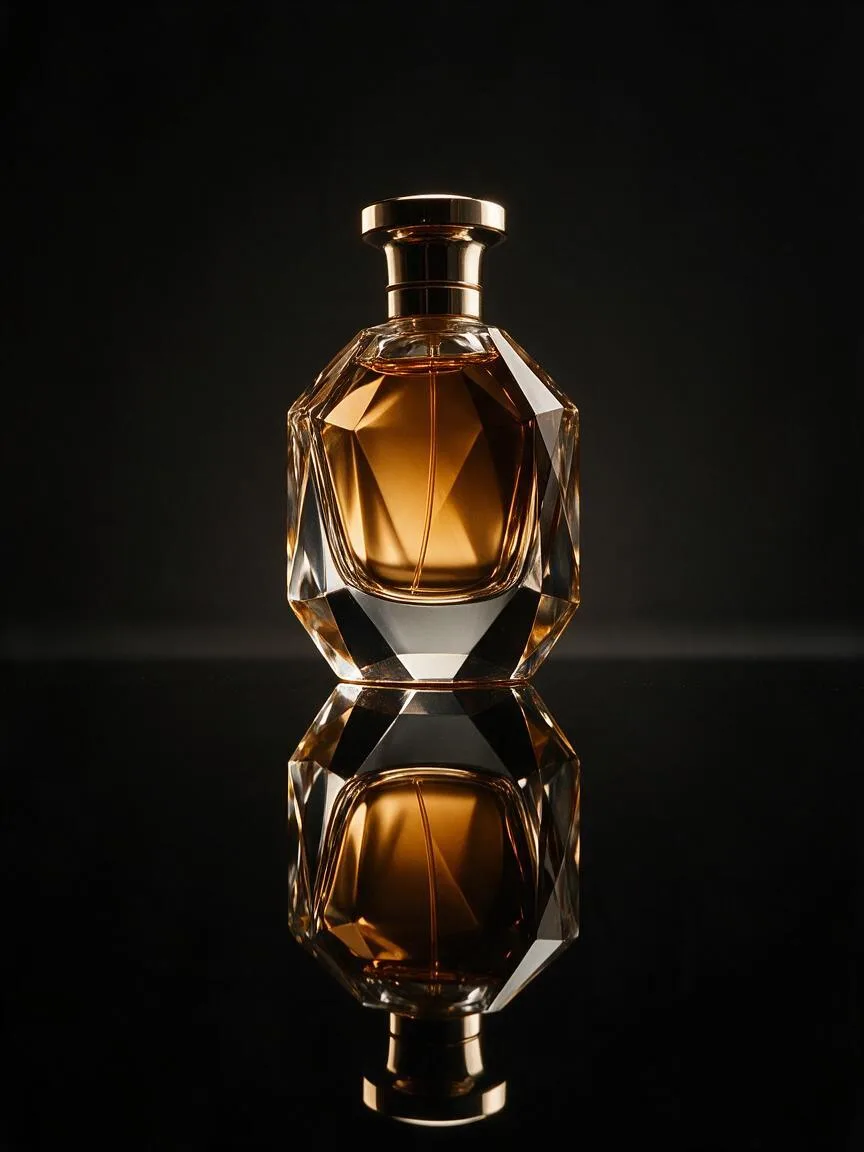
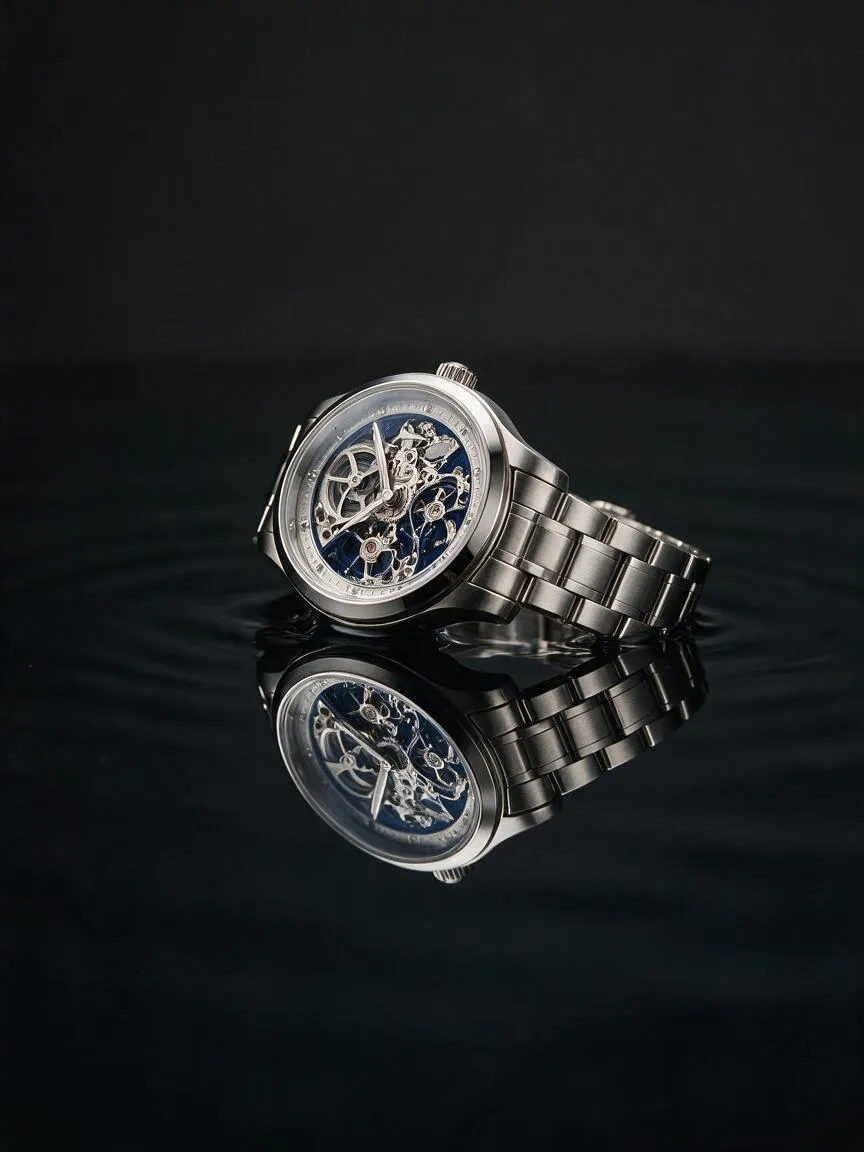
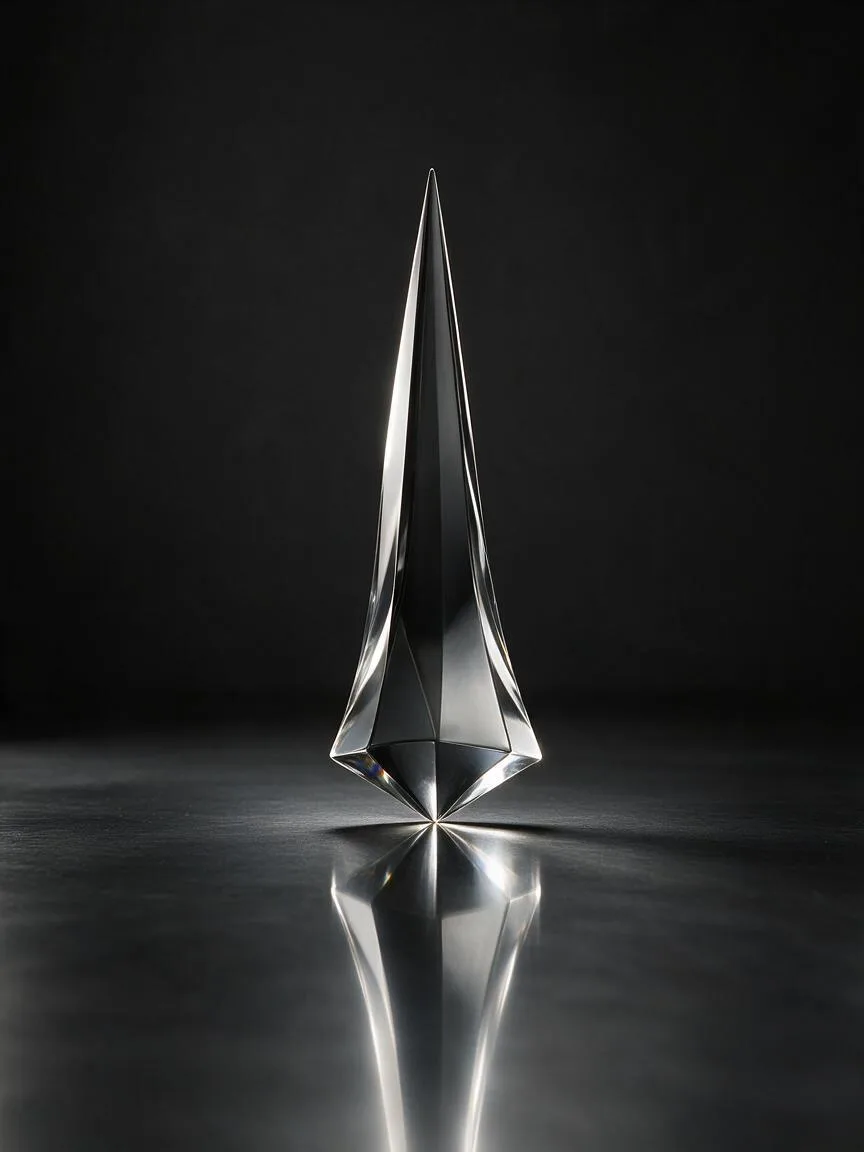
Prompt snippets
luxury perfume bottle standing on a glossy black acrylic surface, a crisp mirror reflection directly beneath it, eye-level camera close to the surface so the bottle and its reflection form a vertical symmetry, thin rim light tracing the bottle edges, dark seamless background, restrained palette of black and amber, minimal, no text --ar 4:5 --style rawA luxury perfume bottle stands on a glossy black acrylic surface with a crisp mirror reflection directly beneath it. The camera sits at eye level close to the surface, so the bottle and its reflection form a vertical symmetry. A thin rim light traces the bottle edges against a dark seamless background. Only black and amber in the frame. Minimal, no text.A luxury perfume bottle standing on a glossy black acrylic surface, with a clear mirror reflection directly beneath it. The camera is positioned close to the surface at eye level, creating a vertical symmetry between the bottle and its reflection. A thin rim light outlines the edges of the bottle. Dark seamless background, restricted palette of black and amber, minimal, no text in the image.
How this look is built
Open in the builder ›An ad look is not one style word but the combination below. Opening it fills the matching slots; the subject is yours to write.
- CompositionSymmetrical CompositionThe top-bottom symmetry between the product and its reflection creates the strong sense of stability in a mirror reflection image.
- StyleMinimalismKeeping only the product on the surface ensures the reflection remains clean and intact.
- LightingRim LightRim Light outlines the product's edges, and the reflection will also capture this same bright edge.
- ColorLimited Color PaletteUsing a black surface combined with a single product color ensures no stray colors bleed into the reflection.
What it is
Mirror Reflection is a common set design and composition technique in product photography. By placing pure water, black or transparent acrylic boards, polished metal, or glass mirrors on the shooting platform, it creates a clear, continuous physical reflection at the base of the product. This technique uses the principles of light reflection to form a top-bottom symmetrical visual structure in the image.
Visual and emotional effect
- Spatial extension: The reflection breaks the physical boundary at the bottom of the frame, visually extending the space downward and making the product appear lighter or more substantial.
- Symmetry and order: The top-bottom symmetrical composition brings a strong sense of order and balance, aligning with the human psychological expectation of stable beauty.
- Emotional delivery: A calm water reflection conveys purity, elegance, and tranquility; while reflections on black acrylic or metal mirrors enhance a modern, technological, luxurious, and cool atmosphere.
When to use it
- Beauty and perfume: To express the purity of liquids and the transparency of the bottle.
- Consumer electronics: To highlight material craftsmanship and technological attributes using metal or glass reflections.
- Beverages: To add a refreshing feel through water reflections, or to create a premium atmosphere using bar mirror reflections.
- Jewelry and watches: To increase visual opulence and light and shadow layers using highly reflective material reflections.
Prompt tips
- Specify the reflective material: Do not just write “reflection”; explicitly state the medium, such as “reflective black acrylic”, “still water surface”, or “polished marble”.
- Emphasize symmetry and completeness: Use “perfect mirror reflection” and “symmetrical composition” to constrain the AI to generate a complete top-bottom mirror image.
- Add optical details: Including “caustics” and “subtle light refraction” can significantly enhance the realism of glass or water reflections.
Common mistakes
- Disconnected reflection and subject: AI often generates reflections that do not match the shape of the product itself. You need to emphasize “accurate reflection” in the prompt or correct it using post-production masks.
- Overexposed or underexposed reflections: The brightness of the reflection usually needs to be slightly lower than the subject to follow physical laws. If the reflection is as bright as the subject, it will look like a sticker; correct this by prompting for a “dimmer reflection” or adjusting contrast in post-production.
- Ignoring edge caustics: The edges of reflections at the base of glass or water bottles should have caustics formed by light refraction. Missing this detail will make the reflection look flat and fake.