Exploded View
Exploded View Exploded Diagram Parts Breakdown
Product PhotographyA visual technique that disassembles and suspends product components in 3D space to reveal internal structures, materials, and assembly logic.
Also known as: Exploded Diagram · Parts Breakdown
- Midjourney
- Flux
- Dreamina
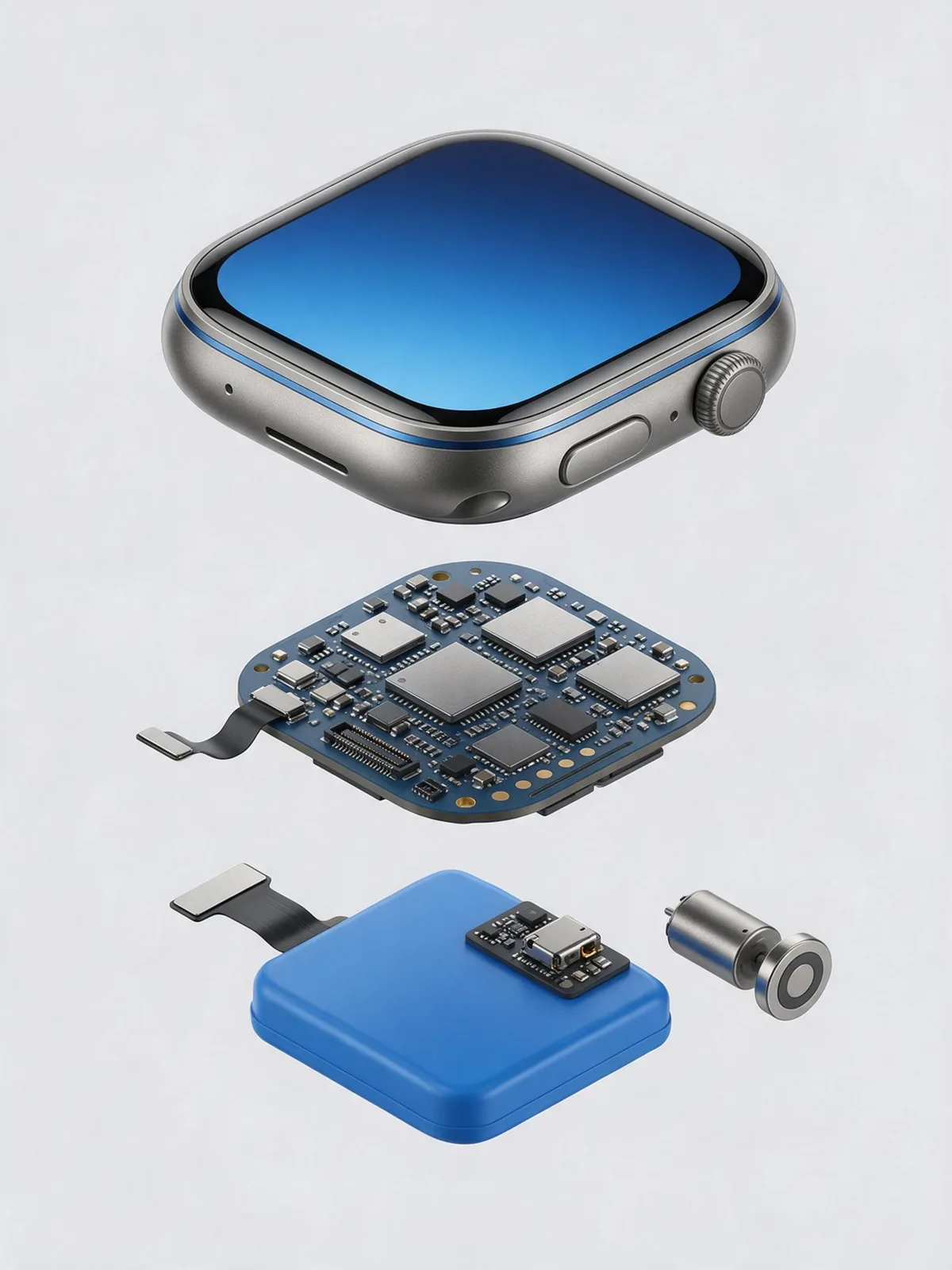
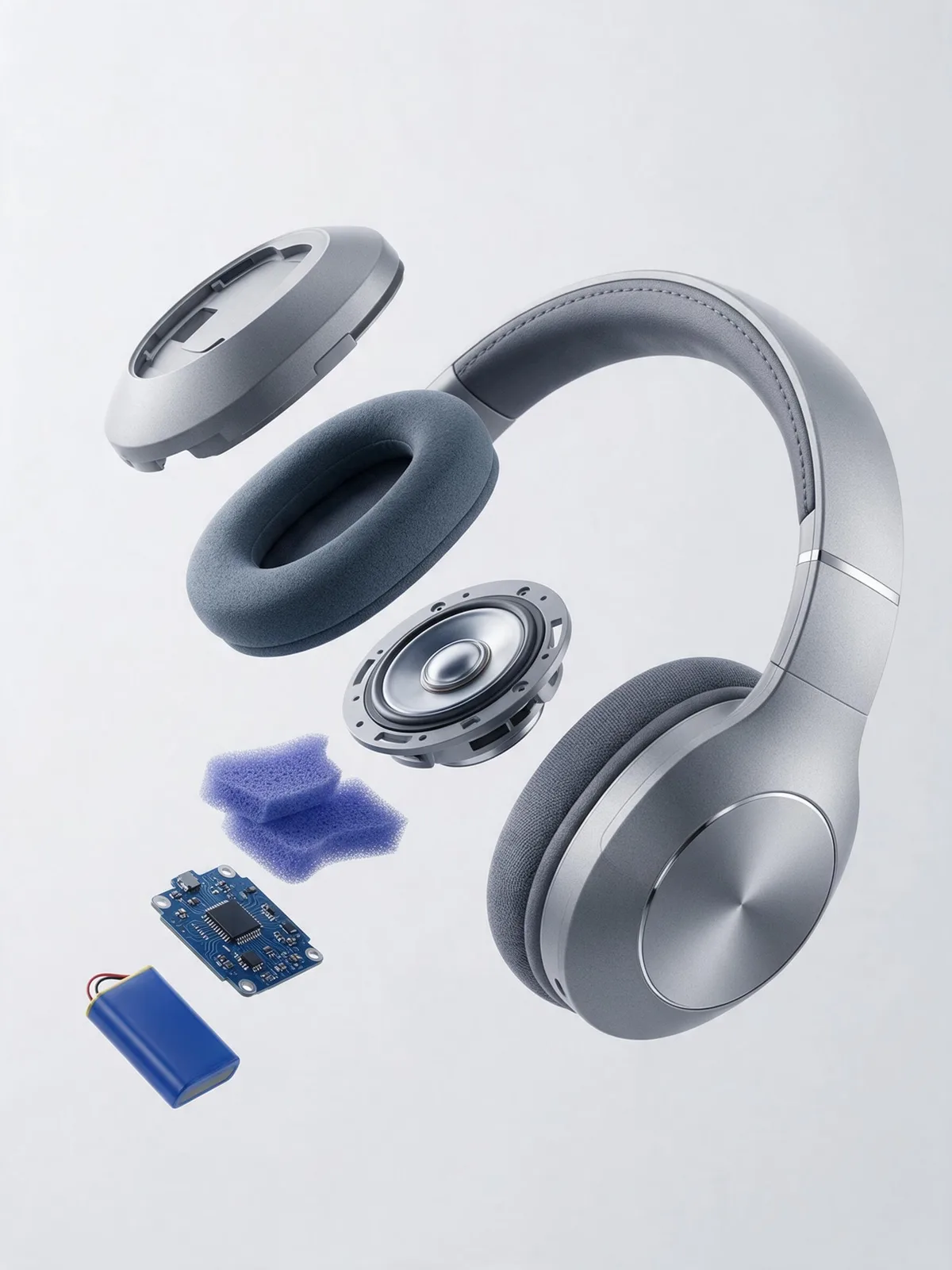
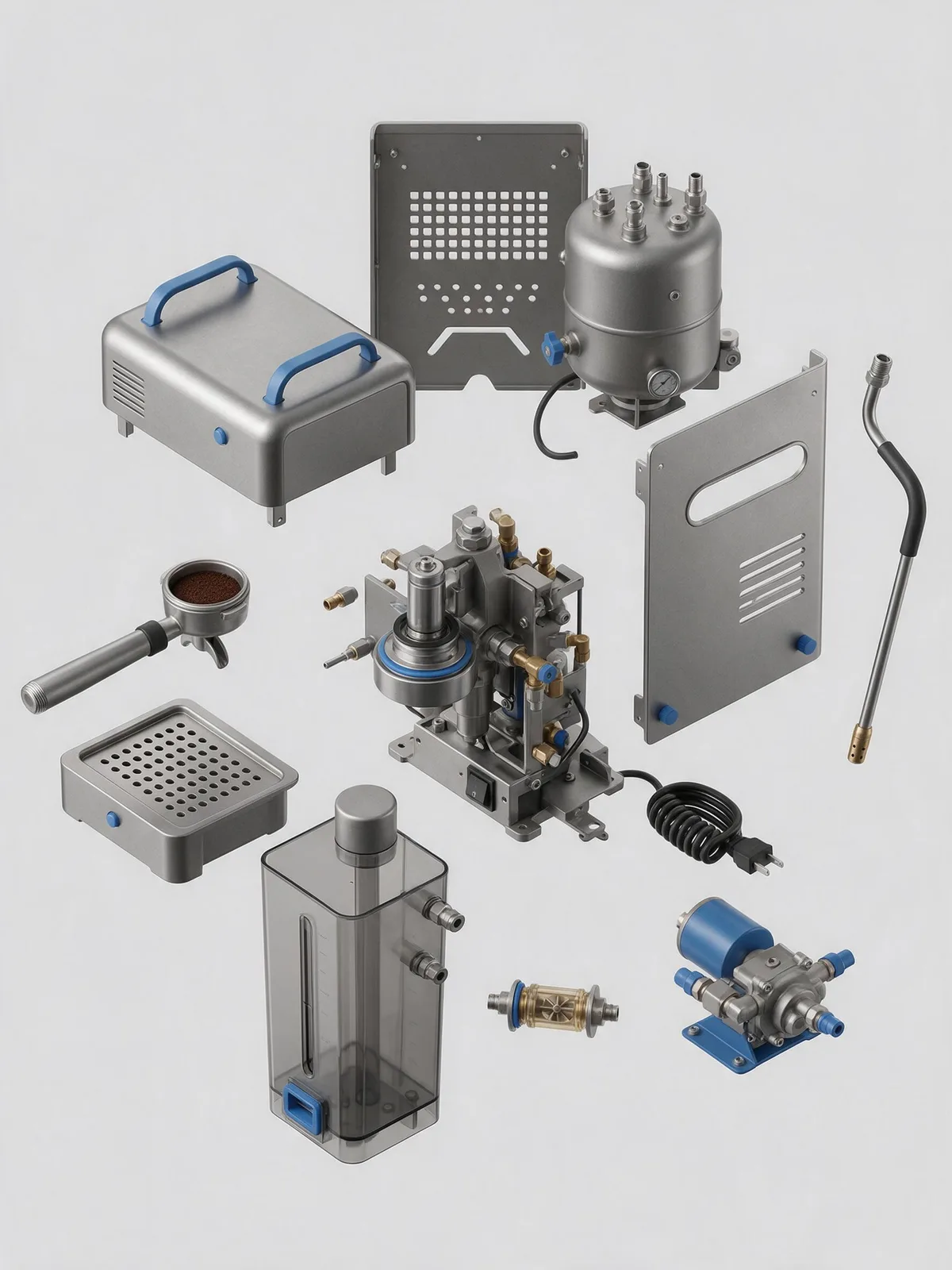
Prompt snippets
isometric exploded view of a smartwatch, components separated along a single vertical axis, case, display, circuit board and battery floating in order, bright even high-key lighting, clean light grey background, restricted palette of titanium grey and blue, no text, no labels --ar 3:4 --style rawAn isometric exploded view of a smartwatch: the case, display, circuit board and battery float apart in order along one vertical axis. Bright even lighting on a clean light grey background, a restricted palette of titanium grey and blue, and no labels or text.Isometric exploded view of a smartwatch, with the case, display, circuit board, and battery separated and floating sequentially along a single vertical axis. Bright and even high-key lighting, clean light grey background, restricted color palette of titanium grey and blue, no text or labels in the image.
How this look is built
Open in the builder ›An ad look is not one style word but the combination below. Opening it fills the matching slots; the subject is yours to write.
- CompositionCenter CompositionThe parts unfold outward along a single axis, with the center being the product itself.
- StyleIsometric ViewThe isometric view has no perspective distortion, making the alignment between parts the clearest.
- LightingHigh-Key LightingBright, even lighting ensures the outline of every part is clear.
- ColorLimited Color PaletteA limited color palette distinguishes different materials without making the image look cluttered.
What it is
An Exploded View is a visual technique that disassembles, separates, and suspends the individual components of a product in three-dimensional space. In AI image and video generation, it requires the model to have strong spatial understanding, accurately reproducing mechanical structures, hierarchical relationships, and physical logic to intuitively reveal the precision components hidden inside the casing.
Visual and emotional effect
This technique breaks the conventional intact appearance of a product, creating a strong visual impact and a technical aesthetic. By revealing complex internal materials, precise mechanical assemblies, or fine layered structures, it communicates material quality and engineering precision, enhancing the perceived professionalism and value of the product.
When to use it
Commonly used for the visual presentation of consumer electronics (such as smartphones and smartwatches), mechanical watches, sneakers (e.g., disassembling the midsole and air cushion), home appliances, and precision instruments. It is particularly suitable for highlighting core selling points in e-commerce Product Detail Pages, brand Concept Posters, and key visual videos for product launches to emphasize core technological advantages.
Prompt tips
- Specify disassembled parts: Do not just write “exploded view”; explicitly list the components to be suspended (e.g.,
titanium casing,microchips,gears,PCB board). - Emphasize spatial state: Use terms like
floating components,suspended in mid-air, orseparated partsto ensure the model generates a disassembled state rather than a shattered one. - Control background and lighting: Specify a
dark studio backgroundorclean background, and pair it withRim Lightto outline the edges of the components, preventing visual clutter.
Common mistakes
- Structural collapse: AI tends to generate internal structures that defy physical logic (e.g., misaligned floating gears). It is recommended to use inpainting to fix key details, or generate the image using a 3D model combined with ControlNet/depth maps.
- Shattered illusion: If the prompt only emphasizes “broken” or “shattered”, the model will generate explosion debris rather than a neat disassembly diagram. Always use industrial design terms like “exploded view” or “exploded diagram”.