Volumetric Light
Volumetric Light Volumetric Lighting Tyndall Effect God Rays
LightingAn optical phenomenon where light scattering makes the path of light visible in 3D space as it passes through atmospheric media (such as fog or dust), creating visible light beams.
Also known as: Volumetric Lighting · Tyndall Effect · God Rays
- Midjourney
- Sora
- Kling
- Runway
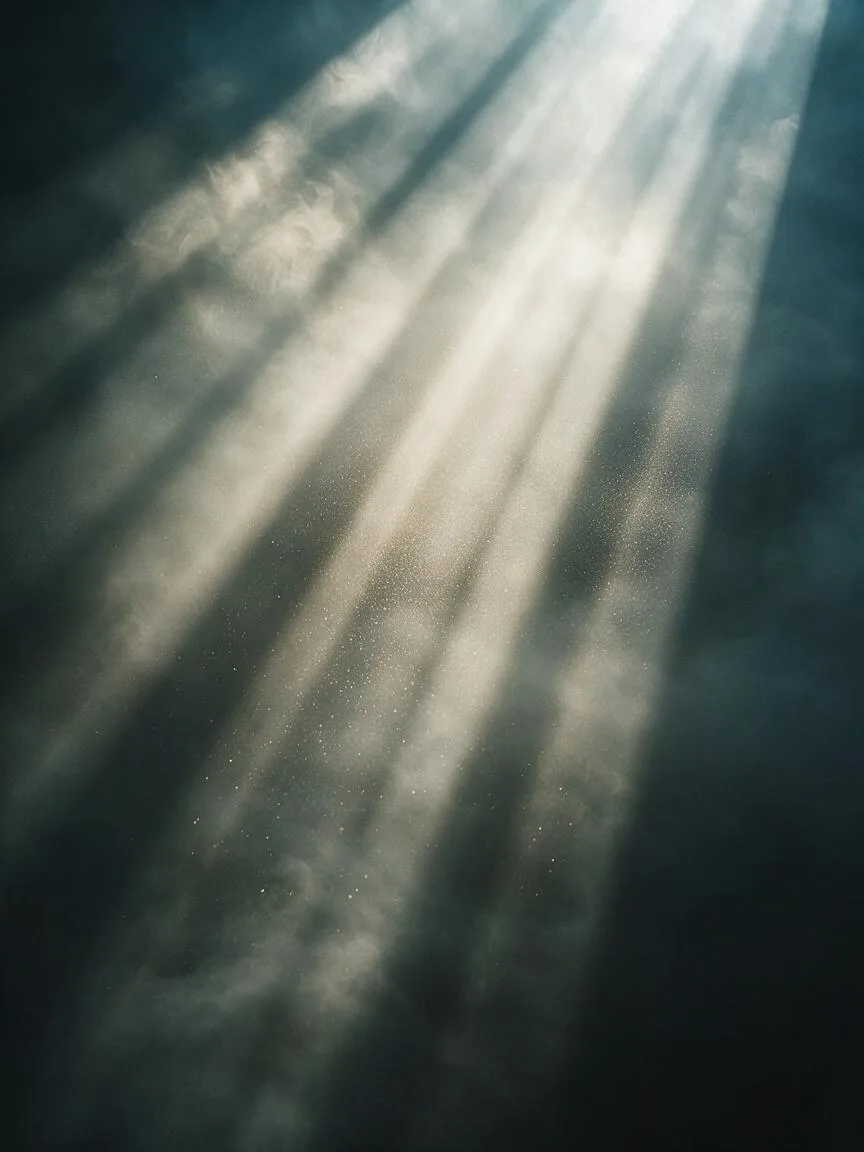
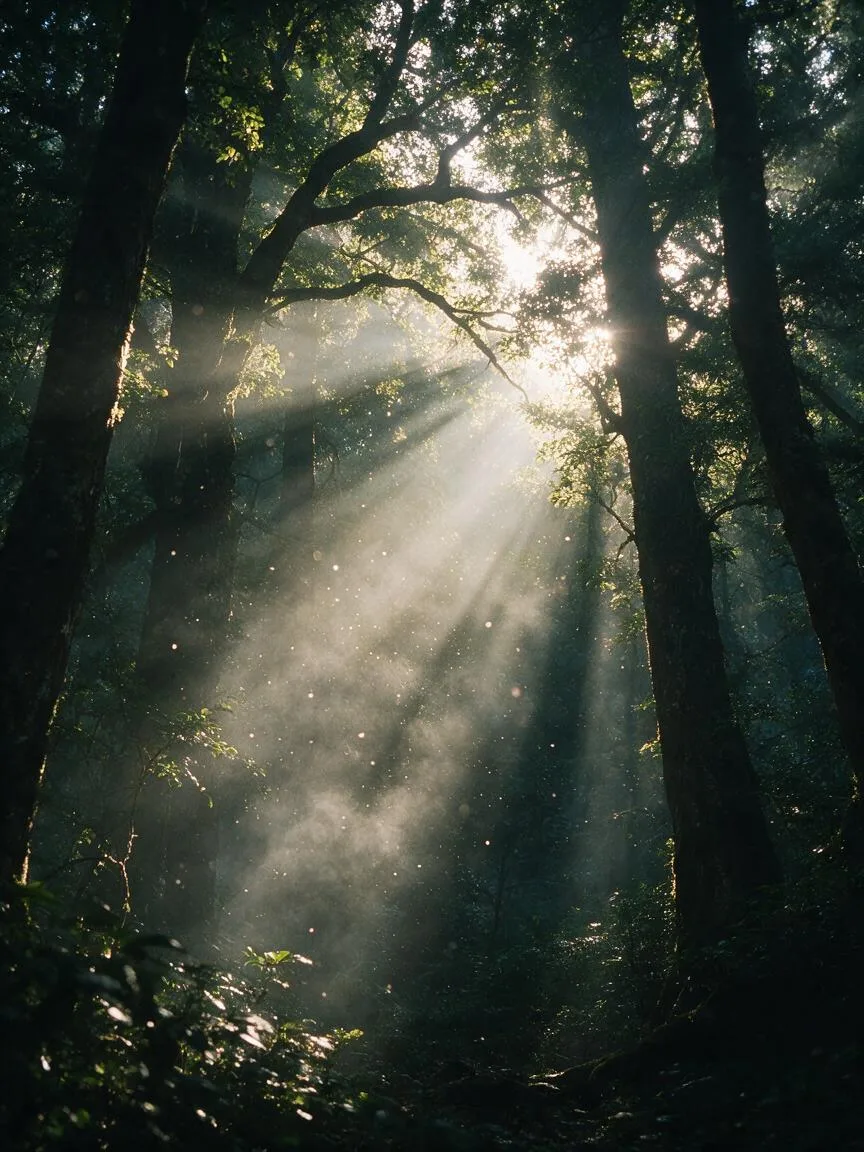
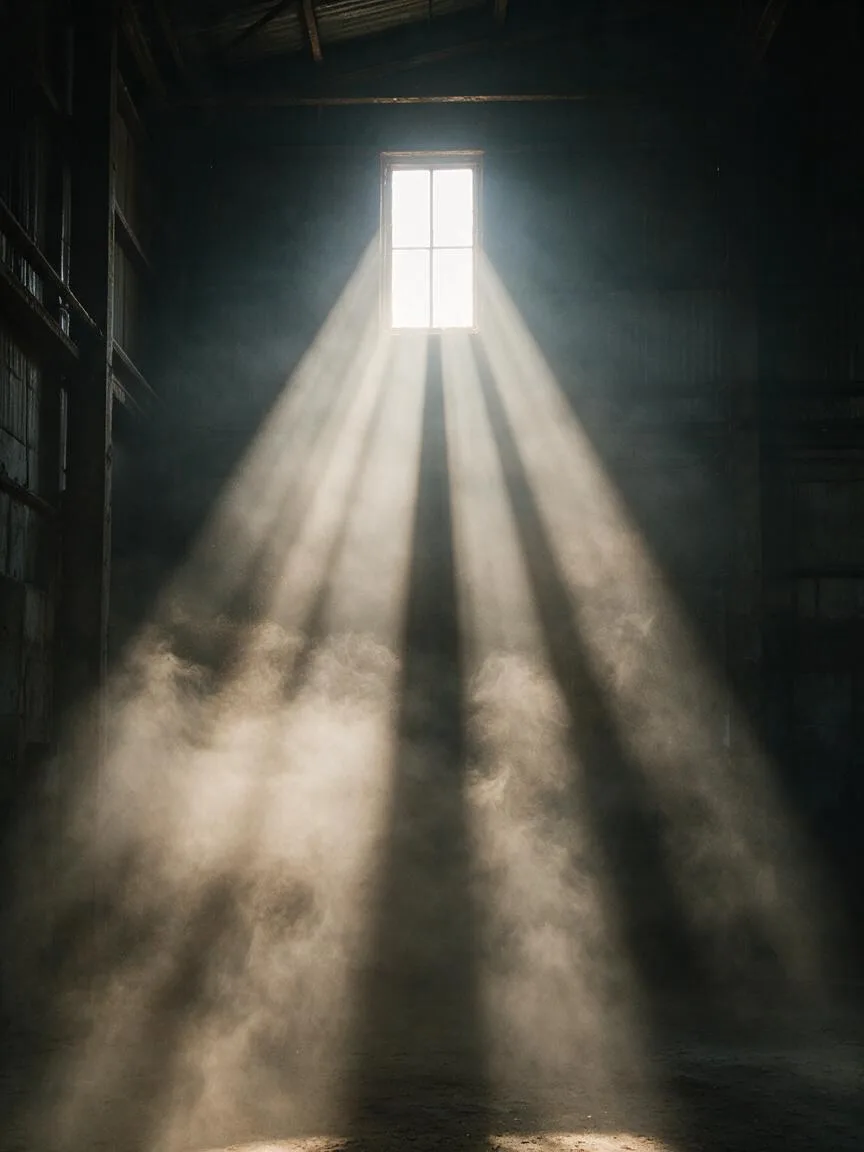
Prompt snippets
volumetric lighting, distinct light rays shining through the fog, god rays, illuminating dust particles, cinematic lighting, atmospheric depth, dark moody background --ar 16:9 --style rawA cinematic slow push-in shot of a dense forest at dawn, thick volumetric light beams piercing through the mist, illuminating floating dust particles, atmospheric and moody, high fidelity.Early morning in an ancient forest, strong Tyndall effect, volumetric light piercing through the morning mist to form clear 3D light beams, tiny dust particles floating in the air, cinematic lighting, extremely atmospheric, 8k resolution.Slow pan through an abandoned gothic cathedral, heavy volumetric light streaming through a broken stained glass window, dust motes dancing in the light shafts, moody atmosphere.
What it is
Volumetric light is an optical phenomenon where light scattering makes the path of light visible in 3D space as it passes through a medium containing tiny particles (such as mist, water vapor, dust, or smoke). In film and CG rendering, it is a core lighting technique for building spatial depth and enhancing visual realism.
Visual and emotional effect
Volumetric light instantly separates foreground and background layers, giving 2D images a strong sense of 3D space and atmosphere. When light beams enter from the dark or pierce through a medium, they can create a sacred, mysterious, epic, or solitary mood, greatly enhancing the dramatic tension and visual guidance of the frame.
When to use it
Ideal for scenes that require emphasizing spatial depth and atmosphere. Examples include: sunlight piercing through morning forest mist, light beams leaking into abandoned buildings, neon light shafts on a cyberpunk rainy street at night, or indoor stage lighting highlighting a specific subject.
Prompt tips
Volumetric light cannot appear out of nowhere; it must be paired with a “medium” and a “light source.” Prompts need to explicitly specify the medium (e.g., mist, fog, dust, smoke) and the light source direction (e.g., backlight, side light). Use terms like volumetric lighting, god rays, and light shafts to reinforce the effect, and combine them with cinematic lighting to elevate the overall texture.
Common mistakes
- Ignoring the medium: Prompting for volumetric light without specifying fog or dust may result in the AI generating a flat, generic glow rather than 3D light beams.
- Overly dense beams: Overemphasizing volumetric light can increase the overall grayness of the image, losing shadow details and making it look “dirty” and flat.
- Defying physical logic: Forcing intense outdoor volumetric light into a sealed, medium-free bright interior will cause visual distortion and break immersion.