Soft Light
Soft Light Soft Lighting Diffused Light
LightingAn illumination effect characterized by smooth shadow transitions and low contrast, achieved through scattering or diffuse reflection.
Also known as: Soft Lighting · Diffused Light
- Midjourney
- Sora
- Kling
- Runway
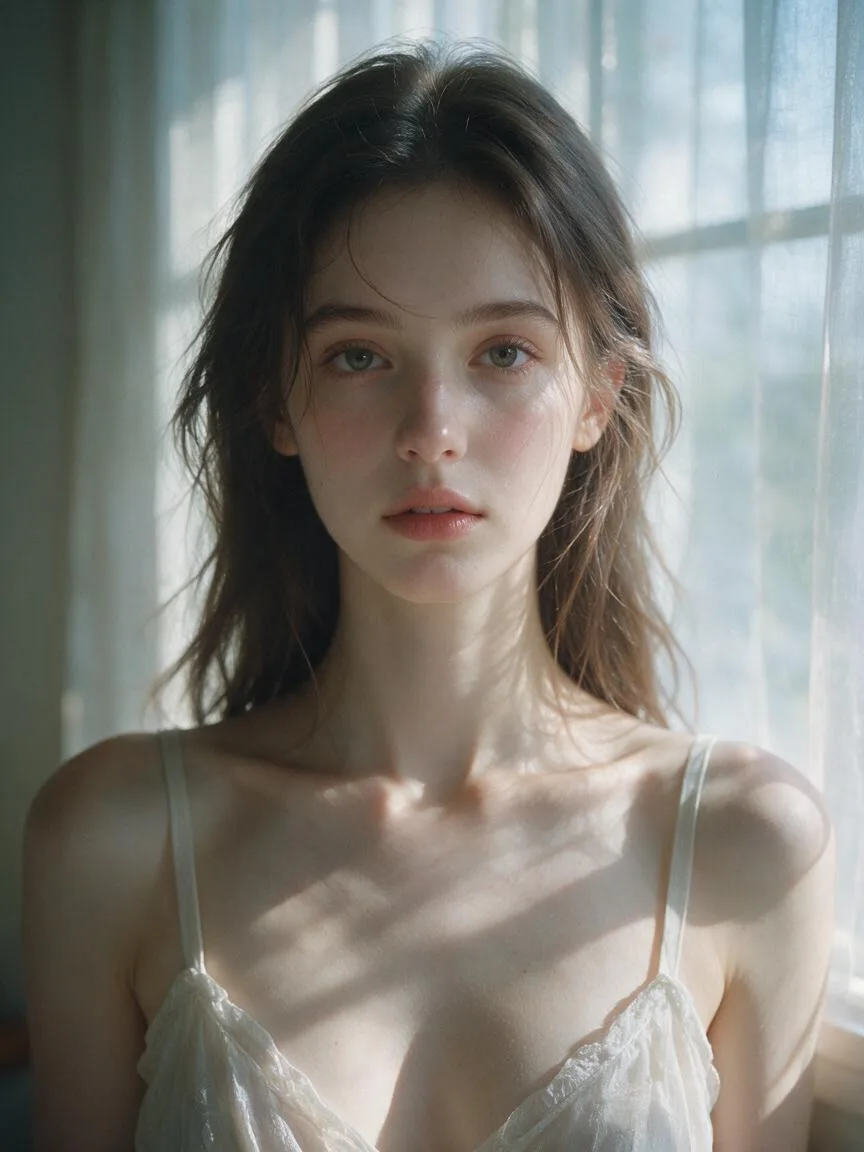
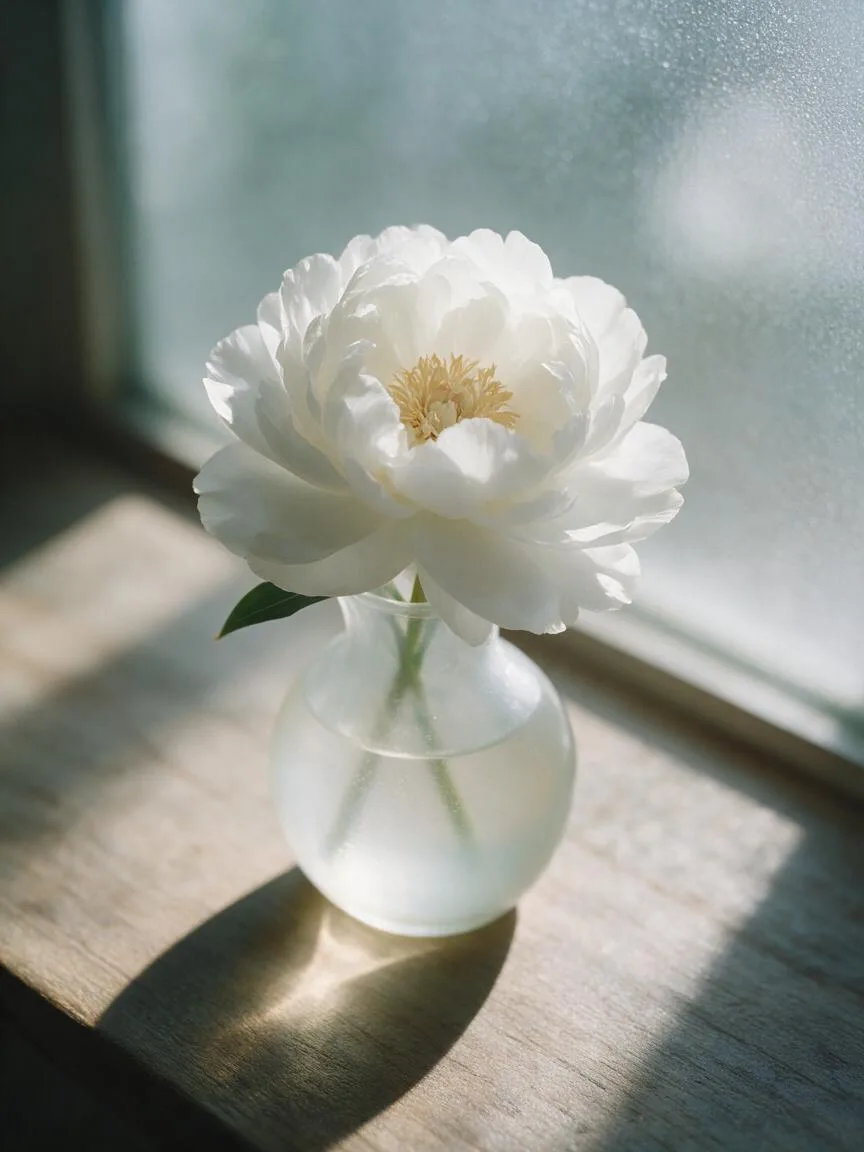
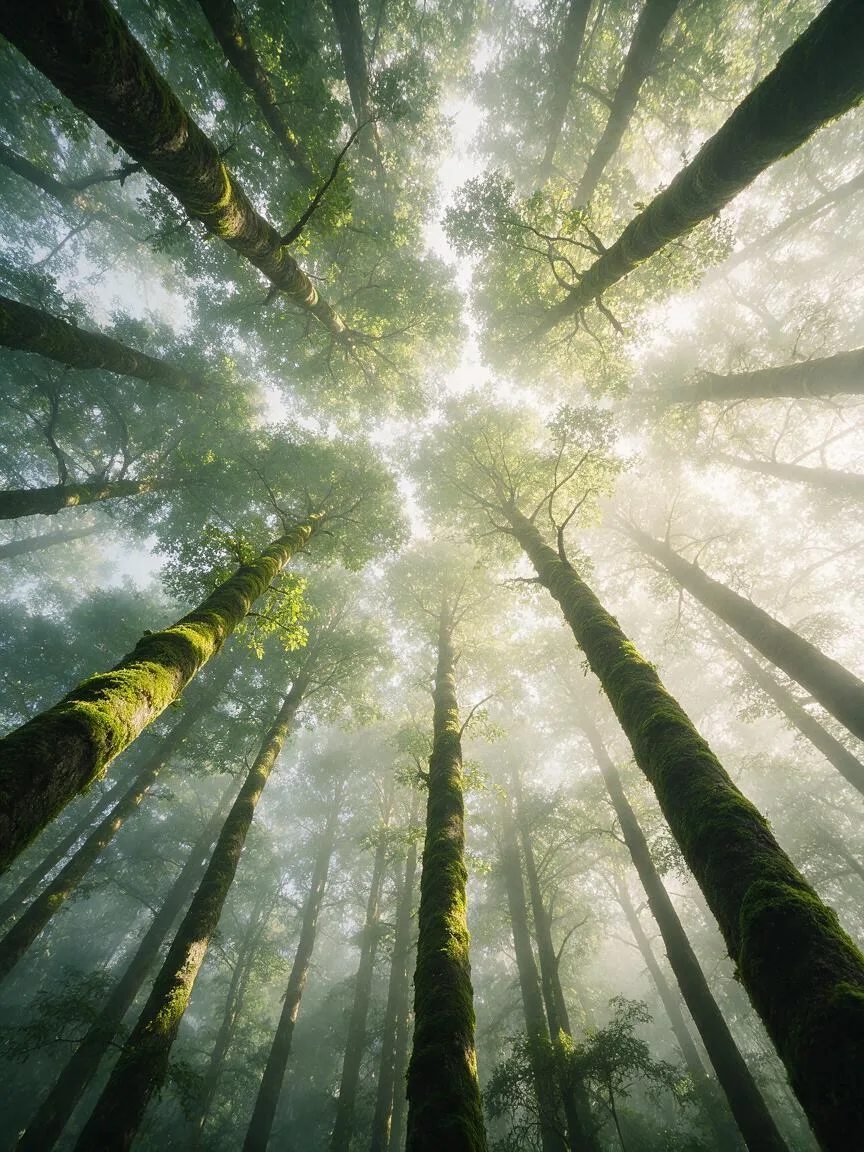
Prompt snippets
A portrait of a young woman, soft diffused lighting coming through a sheer window curtain, gentle shadows, delicate skin texture, dreamy atmosphere, 8k, photorealistic --ar 3:4 --style rawCinematic shot of a baker kneading dough in a cozy kitchen, soft morning light filtering through frosted glass, illuminating the flour dust gently, soft shadows, warm and inviting mood, highly detailed.Aesthetic close-up of a girl reading by the window, soft diffused light shining on her face through a sheer white curtain, natural shadow edge transitions, delicate skin texture, peaceful and warm atmosphere, cinematic lighting.A close-up of a ceramic vase on a wooden table, soft studio lighting, diffused light from a large softbox, smooth shadow transitions, minimalist aesthetic, slow pan.
What it is
Soft Light is an illumination effect where shadow edges transition smoothly and light ratios are gentle, achieved through scattering or diffuse reflection. Physically, when the relative area of the light source is large or it is close to the subject (such as when using a softbox, overcast clouds, or sheer curtains), the light scatters and creates a large penumbra area, eliminating harsh shadow edges.
Visual and emotional effect
Visually, soft light minimizes surface textures and blemishes on objects, creating natural shadow transitions without strong directional or three-dimensional cutting effects. Emotionally, it typically conveys a gentle, peaceful, aesthetic, romantic, or everyday atmosphere, being visually non-aggressive.
When to use it
Highly suitable for portrait photography (especially for women, children, and beauty, to conceal skin blemishes), product still life (to represent soft materials), and scenes that require a warm, dreamy, or healing atmosphere. Not suitable for themes that need to express strong conflict, suspense, power, or a rugged industrial texture.
Prompt tips
In AI image generation, simply typing “soft light” can sometimes be too vague. It is recommended to guide the model by describing the “diffusing material” or “ambient light,” such as “light filtering through sheer curtains” or “overcast sky lighting.” You can also pair these with “gentle shadows” or “smooth skin texture” to reinforce the effect.
Common mistakes
Mistake 1: Assuming soft light means dim light. Soft light describes the texture of the light, not its brightness. Outdoor light on an overcast noon is very bright, but it is still typical soft light. Mistake 2: Prompt logic conflicts. If you write “soft diffused light” but also add “harsh directional sunlight,” it will confuse the AI model when rendering shadows.